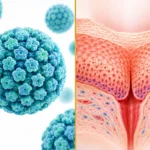
Having HPV does not mean your sex life is over. Most people with HPV, including high-risk types, can continue to have sex, and in many ongoing relationships, both partners have already been exposed to the same strain. The real question isn’t whether sex is possible, but how to approach it honestly, with the right precautions in place.
Key Takeaways
- HPV is the most common sexually transmitted infection in the world; most infections clear on their own within one to two years without treatment.
- If you’re in an established relationship, your partner has very likely already been exposed to the same HPV type.
- Condoms reduce transmission risk but do not eliminate it, because HPV spreads through skin-to-skin genital contact, not just fluid exchange.
- Active genital warts or lesions should be evaluated before resuming sex, not because sex is forbidden, but because treatment changes the risk picture.
- Disclosure, vaccination, and consistent condom use are the three most practical steps you can take to protect a new partner.
How HPV Spreads During Sex, and Why That Matters
HPV transmits through direct skin-to-skin contact in the genital area. That means penetrative sex, oral sex, and close genital contact without penetration can all pass the virus. You don’t need to have visible symptoms to transmit it. Most people who carry HPV have no idea, because HPV symptoms are often absent entirely, no warts, no pain, no discharge.
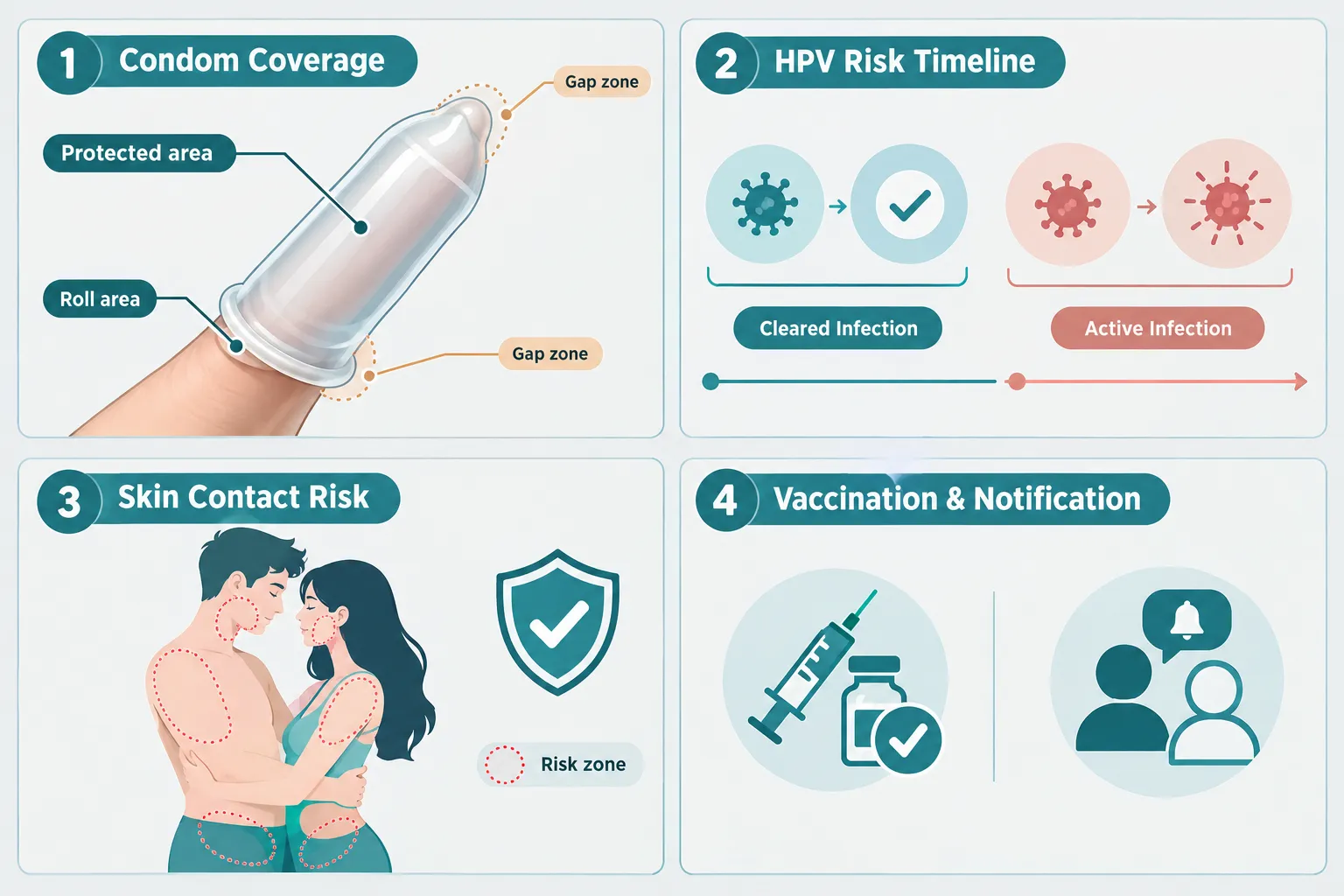
This is why HPV is so widespread. The CDC estimates that roughly 80% of sexually active people will have at least one HPV infection at some point. Transmission happens even between partners who use condoms consistently, because condoms don’t cover all skin surfaces that can carry the virus.
Understanding how HPV spreads and how it doesn’t is worth reading before you have a conversation with a partner, it helps frame the discussion around facts rather than assumptions.
What “high-risk” and “low-risk” HPV actually mean for sex
There are more than 200 HPV genotypes. About 14 are classified as high-risk, most notably types 16 and 18, which together account for the majority of HPV-related cancers. Low-risk types, particularly HPV 6 and 11, cause most genital warts but are not linked to cancer.
Neither category means you must stop having sex. They do mean different things for monitoring. High-risk HPV warrants regular cervical screening, Pap smears, co-testing, or an Aptima HPV test, so that any cell changes can be caught early. Low-risk HPV with visible warts means getting those evaluated and, if needed, treated before resuming sex.
Can I Have Sex with HPV If I’m in a Long-Term Relationship?
Almost certainly yes. If you and a partner have been sexually active together for months or years, the odds are high that both of you have already been exposed to the same HPV type. Re-exposure to a strain you’ve both encountered doesn’t meaningfully increase cancer risk for either person.
That said, “already exposed” is not the same as “already immune.” HPV immunity after natural infection is partial and not guaranteed to prevent reinfection. Condoms are still worth using, particularly if one partner is immunocompromised or has a history of abnormal Pap results.
Disclosure matters, not because it’s legally required in most places, but because it allows your partner to make informed decisions about their own screening schedule. A partner who knows about a high-risk HPV diagnosis can discuss more frequent cervical or anal screening with their doctor. That’s a meaningful health benefit.
When you should pause and talk to a doctor first
There are specific situations where pausing sex temporarily makes sense:
- Active, untreated genital warts, warts increase the local viral load and transmission risk. Topical prescription treatments for genital warts can reduce or eliminate them; completing a treatment course before resuming sex is reasonable.
- During certain procedures, if you’ve just had a cervical biopsy, LEEP procedure, or colposcopy, your provider will give you a specific timeframe to avoid penetrative sex while tissue heals.
- Immediately after an abnormal Pap result, not because sex caused the result, but because understanding what’s happening (LSIL, HSIL, ASC-US) before your next step makes sense. The abnormal Pap smear guide explains what each result means and what comes next.
None of these are permanent restrictions. They’re time-limited pauses with a clear medical reason behind them.
Who’s at Higher Risk for HPV Complications?
Most people with HPV clear the infection without any lasting effect. A smaller group faces a higher chance of persistent infection or progression to cell changes. Those groups include:
- Immunocompromised individuals, people living with HIV, organ transplant recipients on immunosuppressive drugs, or anyone with a condition that suppresses immune response are significantly less likely to clear HPV naturally and more likely to develop dysplasia.
- Smokers, smoking is an independent risk factor for cervical and oropharyngeal HPV-related cancers; it appears to impair the local immune response in cervical tissue.
- People with a history of abnormal Pap results, a prior LSIL or HSIL finding means the cervix has already shown cell changes, and ongoing monitoring is essential.
- Unvaccinated adults, people who haven’t received the HPV vaccine remain susceptible to the types they haven’t yet encountered, including types 16 and 18.
Can I Have Sex with HPV and Protect a New Partner?
Yes, with precautions. No method eliminates transmission risk entirely, but several reduce it meaningfully.

Condoms. Consistent condom use reduces HPV transmission risk, though not to zero. Because HPV spreads through skin contact beyond what a condom covers, some exposure can still occur. That said, condoms also protect against other STIs, so the case for using them is straightforward.
Vaccination. If your new partner is under 45 and hasn’t completed the HPV vaccine series, vaccination is worth discussing. The vaccine doesn’t treat an existing infection, but it protects against types the partner hasn’t yet encountered, including types 16 and 18 if they’re not already exposed. The HPV vaccine guide covers the schedule and who benefits most. Men who haven’t been vaccinated can find specific guidance in the HPV vaccine information for men.
Disclosure. Telling a new partner you have HPV is the most direct way to let them make an informed choice. It’s a difficult conversation, but it’s also a short one, HPV is common enough that many people have already had it or know someone who has.
Screening. Encourage a new partner to stay current on cervical or anal HPV screening. The evidence shows that cell changes are easiest to treat before they progress, that’s exactly what regular screening is designed to catch.
A note on HPV in men
Men can carry and transmit HPV without ever developing symptoms or being screened for it, because there’s no routine HPV test approved for penile or scrotal tissue in the way there is for cervical tissue. HPV in men covers what testing and monitoring options exist, including anal Pap smears for men who have sex with men.
Frequently Asked Questions
Can I have sex with HPV if I have no symptoms?
Yes. Most people with HPV have no symptoms at all, and the absence of warts or visible lesions doesn’t mean the virus isn’t transmissible. Using condoms and ensuring your partner is vaccinated and up to date on screening are the most practical steps you can take.
Do I have to tell every sexual partner I have HPV?
There’s no universal legal requirement, but disclosure allows a partner to make informed decisions about their own health, including whether to get vaccinated or schedule screening. Many sexual health clinics can offer guidance on how to have this conversation if you’re unsure where to start.
Does HPV affect what kind of sex is safe?
HPV can be transmitted through vaginal, anal, and oral sex. Anal HPV carries its own set of considerations, particularly for people who are immunocompromised, the anal HPV symptoms and screening guide covers what to watch for and when to get tested. Oral HPV is also a recognized transmission route, particularly for oropharyngeal cancer linked to HPV 16.
Will I always be able to transmit HPV to a partner?
Not necessarily. Most HPV infections clear within one to two years as the immune system suppresses the virus. Once viral load drops below detectable levels, transmission risk decreases substantially, though it’s difficult to know with certainty when that point has been reached, because there’s no approved “all-clear” test for HPV in the way there is for some other infections.
Can my partner and I both have HPV and still reinfect each other?
Reinfection with the same HPV type between established partners is considered low-risk for most people. The concern is greater if one partner is immunocompromised, or if one partner has a different HPV type the other hasn’t encountered. This is worth discussing with a clinician if either of you has a condition affecting immune function.
What to Do Next
Having HPV doesn’t require you to stop having sex. It requires you to be informed about what you’re carrying, honest with partners, and consistent about screening and protection. Get any visible warts or lesions evaluated before resuming sex. Stay current on cervical or anal screening. Use condoms with new partners. And if you or a partner hasn’t been vaccinated, that conversation is worth having with a doctor, the vaccine still offers protection against types you haven’t yet been exposed to.
The virus is common. The risks are real but manageable. The next step is a straightforward one: talk to your doctor about where you are in the monitoring process and what precautions fit your specific situation.