Last updated: June 8, 2026
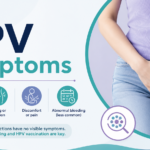
Quick Answer: Most HPV infections cause no symptoms at all and clear on their own. When symptoms do appear, the most common sign is warts — genital warts from low-risk types, or common and plantar warts elsewhere on the body. High-risk HPV usually causes no symptoms and is found only through screening, not by how you feel.
Table of Contents
Key Takeaways
- The majority of people with HPV never know they have it because the infection causes no noticeable symptoms.
- When HPV symptoms do appear, they are most commonly warts — genital warts caused by low-risk strains (types 6 and 11), or common warts on the hands and feet.
- High-risk HPV strains (such as types 16 and 18) are almost always silent. They are detected through Pap smears, HPV tests, and other screening — not through symptoms you can feel.
- HPV can affect both men and women, though routine screening tests are only widely available for women through cervical cancer screening programs.
- Most HPV infections clear on their own within one to two years, according to the CDC.
- Untreated high-risk HPV can lead to cell changes that progress to cervical, oropharyngeal, anal, penile, vaginal, or vulvar cancers over many years.
- No symptom checklist can confirm HPV. Testing and screening are the only reliable ways to know.
- Vaccination (Gardasil 9) protects against the most common high-risk and low-risk strains and is recommended for preteens, teens, and adults up to age 26 (and in some cases up to 45 with a clinician’s guidance).
- Condoms reduce transmission risk but do not eliminate it, because HPV spreads through skin-to-skin contact in areas not covered by a condom.
- See a clinician promptly if you notice any new unexplained bumps in the genital area, abnormal bleeding, or if you are overdue for cervical screening.
Does HPV Have Symptoms?
For most people, HPV has no symptoms at all. Human papillomavirus (HPV) is the most common sexually transmitted infection in the United States, according to the CDC, yet the vast majority of those infected never develop any noticeable signs. The immune system clears most infections quietly, without the person ever being aware.
When HPV symptoms do occur, they depend entirely on which strain is involved:
- Low-risk strains (primarily types 6 and 11) can cause genital warts — soft, flesh-colored growths in the genital or anal area.
- High-risk strains (primarily types 16 and 18, along with about a dozen others) almost never cause symptoms. Instead, they can trigger abnormal cell changes in the cervix, throat, anus, or other tissues over months or years — changes that are only found through medical screening.
The critical point: you cannot tell which type of HPV you have, or whether you have it at all, based on how you feel. This is why screening programs exist.
Why Most HPV Has No Symptoms
HPV produces no symptoms in most cases because the immune system suppresses the virus before it causes visible changes. The virus infects skin and mucous membrane cells, replicates slowly, and in the majority of cases is cleared by the body’s immune response within one to two years, according to CDC guidance.
Several factors explain why high-risk HPV is particularly silent:
- Cell changes are microscopic. The precancerous changes caused by high-risk HPV happen at the cellular level in the epithelial lining of the cervix or other tissues. These changes do not cause pain, discharge, or any sensation until they are very advanced — often after years or decades.
- The virus does not cause inflammation in the way other infections do. Unlike bacterial infections that trigger obvious immune responses (redness, swelling, fever), HPV often coexists with host cells without triggering a dramatic immune alarm.
- Progression is slow. Even when high-risk HPV does cause cell changes, the path from initial infection to cancer typically takes 10 to 20 years, according to the National Cancer Institute (NCI). This long window is why regular screening is so effective — it catches changes early, before they become cancer.
This is exactly why cervical cancer screening (Pap smear and HPV co-testing) exists. It is not designed to find a virus you can feel. It is designed to find a virus that gives you no warning at all.
What Are the Symptoms When They Do Appear?
When HPV symptoms do appear, warts are the most common sign. The type of wart depends on which part of the body is affected and which strain is involved.
Genital Warts
Genital warts are caused by low-risk HPV types 6 and 11. They can appear on the:
- Vulva, vagina, or cervix in women
- Penis, scrotum, or groin in men
- Anus or perianal area in any gender
- Inner thighs
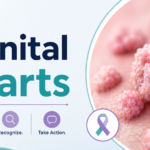
Genital warts typically look like small, flesh-colored bumps. They may be flat or raised, single or clustered in a cauliflower-like pattern. They are usually painless, though some people experience mild itching or irritation in the affected area. They do not bleed unless irritated.
Common mistake: Many people assume any bump in the genital area is a genital wart. In reality, molluscum contagiosum, ingrown hairs, Fordyce spots, and other skin conditions can look similar. A clinician needs to examine any new bump to determine what it actually is.
Warts Elsewhere on the Body
Not all HPV-related warts are sexually transmitted. Other common presentations include:
- Common warts: Rough, raised bumps usually on the hands or fingers, caused by non-genital HPV strains.
- Plantar warts: Hard, sometimes painful growths on the soles of the feet.
- Flat warts: Smooth, slightly raised lesions that can appear on the face, arms, or legs, more common in children.
High-Risk HPV: No Symptoms, Only Screening Findings
High-risk HPV strains do not cause warts. They cause cellular changes — called dysplasia or cervical intraepithelial neoplasia (CIN) in the cervix — that produce no symptoms. These are found only through:
- Pap smear (cervical cytology): Detects abnormal cells on the cervix.
- HPV DNA test: Detects the presence of high-risk HPV strains.
- Colposcopy and biopsy: Used when screening results are abnormal, to examine and sample cervical tissue.
“High-risk HPV usually causes no symptoms and is found only through screening, not by how you feel.” — A core principle repeated throughout public health guidance from the CDC and WHO.
HPV Symptoms in Women
Women with HPV usually have no symptoms. When symptoms do occur, the most common are genital warts (from low-risk strains) or abnormal Pap smear or HPV test results (from high-risk strains). Neither of these is something most women would notice on their own without a clinical exam or screening.
First Signs of HPV in Women
The “first signs” of HPV in women — a common search query — are often not signs at all. Most women discover they have HPV only when:
- A routine Pap smear returns an abnormal result.
- An HPV co-test comes back positive during cervical screening.
- A clinician notices genital warts during a pelvic exam.
When genital warts do appear in women, they may be found on the vulva, inside the vagina, on the cervix, or around the anus. Because many of these locations are not easily self-examined, warts in the vagina or on the cervix are often found only during a gynecological exam.
Some women may notice:
- Small, soft bumps on the vulva or perianal area that they can see or feel
- Mild itching or discomfort in the genital area (non-specific and caused by many conditions)
- Unusual discharge (rare and non-specific — many other conditions cause this)
What women should know: Abnormal bleeding after sex, between periods, or after menopause is never a normal HPV symptom to wait out. While it can be caused by many things, it warrants prompt evaluation by a clinician. Advanced cervical cancer can cause these symptoms, which is exactly why catching cell changes through screening — long before they become cancer — is so critical.
Current ACOG guidelines recommend that women begin cervical cancer screening at age 21. Women aged 21 to 29 should have a Pap smear every three years. Women aged 30 to 65 should have a Pap smear plus HPV co-test every five years (or a Pap smear alone every three years).
For a full deep-dive into HPV in women, including cervical screening schedules and what abnormal results mean, see the dedicated women’s page on this site.
HPV Symptoms in Men
Men with HPV usually have no symptoms and no routine test to detect the virus. The most visible sign of HPV in men is genital warts, caused by low-risk strains. High-risk HPV in men is largely undetectable through any widely available standard test.
Can Men Get Symptoms of HPV?
Yes, men can get HPV symptoms, but they are less common than in women and there is no approved screening test equivalent to the Pap smear for most men. Here is what men may experience:
- Genital warts on the penis, scrotum, groin, thighs, or anus — the primary visible HPV symptom in men.
- Anal warts in men who have sex with men, who may be candidates for anal Pap smears depending on their clinician’s recommendation.
- Penile, anal, or oropharyngeal cancer in rare cases where high-risk HPV goes undetected for years — these cancers may eventually cause symptoms like persistent sores, lumps, or bleeding.
Men who have sex with men and people with weakened immune systems (including those living with HIV) are at higher risk for HPV-related anal cancer and may benefit from anal cancer screening. This is an area where guidelines are still evolving, and men should discuss their individual risk with a healthcare provider.
The critical gap: Because there is no routine HPV test approved for men in most countries, many men carry and transmit high-risk HPV without ever knowing. This is not a reason for alarm — it reflects how common and usually harmless the virus is — but it does underscore why vaccination and partner screening matter.
For a full discussion of HPV in men, including anal cancer screening and vaccination, see the dedicated men’s page on this site.
Oral and Throat HPV Symptoms
Most oral HPV infections cause no symptoms. HPV can infect the mouth and throat (oropharynx) through oral sexual contact. The vast majority of oral HPV infections clear on their own, just as genital infections do.
When oral HPV does cause problems, it is almost always through high-risk strains — particularly HPV 16 — that can lead to oropharyngeal cancer (cancer of the back of the throat, base of the tongue, and tonsils) over many years. According to the NCI, HPV-associated oropharyngeal cancers have increased significantly in the United States over recent decades.
Symptoms that may eventually appear with oropharyngeal cancer include:
- A persistent sore throat lasting more than two to three weeks
- Hoarseness that does not resolve
- Difficulty swallowing
- A lump in the neck
- Ear pain without an obvious cause
Important context: These symptoms are non-specific and are far more commonly caused by other conditions (acid reflux, allergies, viral infections). They do not mean you have HPV-related cancer. But if any of these symptoms persist for more than two to three weeks without explanation, see a doctor. Early detection of oropharyngeal cancer significantly improves outcomes.
There is currently no approved routine screening test for oral HPV. Vaccination remains the most effective prevention strategy.
For more detail on oral HPV, including transmission and what to discuss with your dentist or ENT, see the oral HPV page on this site.
How Long Do HPV Symptoms Take to Show Up?
HPV symptoms, when they occur at all, can appear anywhere from a few weeks to many months after exposure. For genital warts specifically, the incubation period is typically one to eight months after contact with an infected person, though it can be longer.
For high-risk HPV, there is no symptom timeline because there are no symptoms. Cell changes caused by high-risk strains can take years to develop into detectable dysplasia, and decades to progress to cancer — if they progress at all.
Key timing facts:
- Genital warts: Usually appear one to eight months after exposure to low-risk HPV, though some people carry the virus for years before warts appear.
- Abnormal Pap results: Can appear months to years after initial high-risk HPV infection.
- HPV clearance: The CDC notes that most HPV infections clear within one to two years. Even after clearance, the virus may not be completely eliminated and can reactivate under certain conditions.
- Latency: HPV can remain dormant in cells for years. A new positive HPV test does not necessarily mean a recent new exposure — it may reflect a past infection that reactivated.
This latency issue is one reason HPV is so difficult to trace epidemiologically and why a positive result should never be assumed to indicate infidelity or a recent new partner.
Are HPV Symptoms Different for Each Strain?
Yes, HPV symptoms vary significantly depending on the strain. There are more than 200 known types of HPV, and they are broadly divided into two categories based on their cancer risk.
| HPV Category | Common Strains | Typical Symptoms | Cancer Risk |
|---|---|---|---|
| Low-risk | Types 6, 11 | Genital warts, common warts, plantar warts | Very low |
| High-risk | Types 16, 18, 31, 33, 45, and others | Usually none; cell changes found on screening | High (cervical, oropharyngeal, anal, penile, vaginal, vulvar cancers) |
- Types 6 and 11 account for roughly 90% of genital wart cases, according to the CDC.
- Types 16 and 18 together account for approximately 70% of cervical cancers, according to WHO data.
- Some strains cause warts only on the hands or feet and are not sexually transmitted.
- A person can be infected with more than one HPV type at the same time.
Decision rule: If you have visible warts, you likely have a low-risk strain. If your screening test is abnormal with no visible symptoms, you likely have a high-risk strain. A clinician can help you understand which type you may have based on your test results.
What Is the Difference Between Low-Risk and High-Risk HPV?
Low-risk HPV causes benign growths (warts) but does not lead to cancer. High-risk HPV causes no visible symptoms but can trigger cellular changes that, over time, may become cancer.
This distinction is the most important concept in understanding HPV:
Low-risk HPV:
- Causes genital warts, common warts, plantar warts
- Does not cause cancer
- Treated by removing the warts (though the virus itself may remain)
- Gardasil 9 vaccine protects against types 6 and 11
High-risk HPV:
- Causes no warts and no immediate symptoms
- Can cause precancerous cell changes (dysplasia) in the cervix, anus, throat, penis, vagina, or vulva
- Detected only through screening (Pap smear, HPV DNA test, anal Pap)
- Most infections still clear on their own; only a minority progress to cancer
- Gardasil 9 vaccine protects against types 16, 18, 31, 33, 45, 52, and 58
Common mistake: People sometimes assume that because they do not have warts, they do not have HPV. This is incorrect. The absence of warts says nothing about whether a high-risk strain is present.
Who Is Most Likely to Get HPV Symptoms?
Anyone who is sexually active can get HPV, but certain factors increase the likelihood of developing symptoms or complications.
Factors that raise the risk of HPV symptoms or progression:
- Weakened immune system: People living with HIV, organ transplant recipients, or those on immunosuppressive medications are more likely to develop persistent HPV infections and warts, and are at higher risk for HPV-related cancers.
- Smoking: Tobacco use is associated with a higher risk of HPV-related cervical and oropharyngeal cancers, likely because it impairs local immune responses.
- Multiple sexual partners: More partners increases cumulative exposure risk, though HPV can be transmitted even with a single partner.
- First sexual activity at a young age: Earlier exposure means longer potential duration of infection.
- Not being vaccinated: Unvaccinated individuals are more susceptible to the strains covered by Gardasil 9.
- Not being screened: Women who do not attend regular cervical screening are far more likely to have undetected high-risk HPV and cell changes.
HPV is genuinely extremely common. The CDC estimates that nearly all sexually active people will have HPV at some point in their lives. Most will clear it without issue. Developing symptoms or complications is the exception, not the rule.
Can You Get HPV If You Use Protection?
Yes, you can get HPV even if you use condoms consistently and correctly. Condoms significantly reduce the risk of many sexually transmitted infections, but HPV spreads through skin-to-skin contact — not just through bodily fluids — and condoms do not cover all potentially infected skin in the genital area.
Studies have shown that consistent condom use is associated with a lower risk of HPV transmission and a lower rate of HPV-related cervical changes, but condoms do not provide complete protection. The CDC acknowledges this limitation explicitly.
What does reduce HPV risk:
- Vaccination: The most effective prevention tool. Gardasil 9 is highly effective against the strains it covers when given before exposure.
- Condoms: Reduce (but do not eliminate) risk. Still recommended for overall sexual health.
- Fewer sexual partners: Reduces cumulative exposure risk.
- Mutual monogamy: Reduces ongoing exposure, though a partner may carry HPV from before the relationship.
Edge case: People in long-term monogamous relationships can still test positive for HPV. This may reflect a past infection that reactivated, an infection from before the relationship, or (rarely) transmission through non-penetrative contact. A positive HPV test is not proof of recent infidelity.
What Are the Worst Complications of Untreated HPV?
The most serious complication of untreated high-risk HPV is cancer. Left undetected and unmanaged, persistent high-risk HPV infection can progress through stages of dysplasia to invasive cancer over years to decades.
HPV-related cancers include:
- Cervical cancer: The most well-known HPV-related cancer. Nearly all cervical cancers are caused by HPV, primarily types 16 and 18, according to WHO.
- Oropharyngeal cancer: HPV-associated throat and tonsil cancers have increased substantially in recent decades. HPV 16 is the primary driver.
- Anal cancer: Strongly linked to HPV, particularly in men who have sex with men and in people with HIV.
- Penile cancer: Rare, but a significant proportion are HPV-related.
- Vaginal and vulvar cancers: Less common than cervical cancer but linked to high-risk HPV.
For low-risk HPV, the main complication of untreated genital warts is spread and growth. Warts do not become cancer, but they can multiply, become uncomfortable, and be passed to partners. In rare cases, a condition called recurrent respiratory papillomatosis (RRP) can develop in people who have warts in the throat — this can be serious and require repeated treatment.
The reassuring reality: Regular screening catches high-risk HPV and the cell changes it causes early, when treatment is straightforward and outcomes are excellent. The goal of screening is to prevent cancer from ever developing, not to treat it after it appears.
How Do I Know If My HPV Symptoms Are Serious?
See a clinician promptly if you notice any of the following — do not wait to see if they resolve on their own.
Signs that warrant prompt medical evaluation:
- Any new, unexplained bump, sore, or growth in the genital, anal, or oral area
- Abnormal vaginal bleeding (after sex, between periods, or after menopause)
- Persistent sore throat, hoarseness, or difficulty swallowing lasting more than two to three weeks
- A lump in the neck that does not go away
- Pain or bleeding from the anus without an obvious cause
- An abnormal Pap smear or HPV test result (follow up with your clinician as directed)
What is not necessarily serious (but still worth checking):
- A single small bump that looks like an ingrown hair and resolves within a week or two
- Mild, brief genital itching with no visible changes
- A positive HPV test result with a normal Pap smear (this is common and usually managed with follow-up testing, not immediate treatment)
The rule of thumb: if something is new, persistent, or worrying you, have it evaluated. Anxiety about a symptom is itself a valid reason to see a doctor.
Can HPV Symptoms Go Away on Their Own?
Yes, both HPV infections and some HPV symptoms can resolve without treatment. The CDC notes that most HPV infections clear within one to two years as the immune system suppresses the virus.
- Genital warts may shrink and disappear on their own over time, though this is not guaranteed. Treatment speeds up resolution and reduces the chance of passing warts to a partner. Warts do not become cancer.
- Abnormal cell changes (dysplasia) found on cervical screening can also regress spontaneously, particularly mild changes (CIN 1). More significant changes (CIN 2, CIN 3) are less likely to resolve on their own and are typically treated.
- The virus itself may become undetectable on tests after the immune system suppresses it, though it may not be completely eliminated from the body.
Who is less likely to clear HPV naturally:
- People with HIV or other immune-suppressing conditions
- Smokers
- Older adults (the immune response to HPV may be less robust with age)
Natural clearance is common, but it is not a reason to skip treatment for warts or to ignore abnormal screening results. A clinician can help you understand what “watch and wait” is appropriate for versus what needs active management.
Are There Natural Treatments for HPV Symptoms?
There are no scientifically proven natural treatments that eliminate HPV infection or reliably cure genital warts. Some people explore home remedies, but the evidence for these is weak, and some can cause harm.
What the evidence does and does not support:
- No supplement, herb, or dietary change has been proven to clear HPV infection in rigorous clinical trials. Some small studies have looked at nutrients like folate, vitamin C, and AHCC (a mushroom extract), but results are not conclusive enough to recommend these as treatments.
- Apple cider vinegar and other acidic home remedies applied to warts can cause chemical burns and should be avoided on genital skin.
- Over-the-counter wart treatments (such as salicylic acid) are intended for common warts on hands and feet, not genital warts. Do not use them on genital skin without medical advice.
- Supporting immune health through not smoking, maintaining a healthy weight, getting adequate sleep, and managing stress is reasonable general advice that may help the immune system suppress HPV — but this is not a treatment and should not replace clinical care.
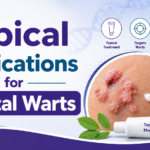
Clinically proven treatments for genital warts include prescription topical medications (imiquimod, podophyllotoxin, sinecatechins) and in-office procedures (cryotherapy, electrocautery, laser treatment). These treat the visible warts but do not eliminate the underlying virus.
If you have been diagnosed with HPV or genital warts, work with a clinician on a management plan rather than relying on unproven remedies.
Common Mistakes People Make When They Think They Have HPV
The most common mistake is self-diagnosing based on symptoms alone. HPV cannot be confirmed by looking at a bump or reviewing a list of symptoms. Here are the errors that cause the most harm:
- Assuming a bump is a genital wart without getting it checked. Many conditions mimic genital warts. Only a clinician can make the diagnosis.
- Assuming no warts means no HPV. High-risk HPV causes no warts. A clean visual inspection tells you nothing about high-risk strains.
- Skipping cervical screening because you feel fine. High-risk HPV and early cervical cell changes cause no symptoms. Screening is the only way to find them.
- Treating genital warts with OTC products meant for common warts. This can cause burns and damage to sensitive tissue.
- Assuming a new positive HPV test means a new partner cheated. HPV can remain dormant for years and reactivate. A positive test cannot be used to determine when or from whom the infection was acquired.
- Stopping follow-up after warts disappear. Warts resolving does not mean the virus is gone. Continue any recommended follow-up with your clinician.
- Delaying vaccination because you are already sexually active. Vaccination still protects against strains you have not yet been exposed to. Discuss eligibility with your clinician.
How Much Does HPV Testing Cost Without Insurance?
HPV testing costs vary widely depending on the type of test, the provider, and the location. In the United States, without insurance, costs generally break down as follows:
- Cervical HPV co-test (Pap + HPV DNA test): Roughly $100 to $300 at a gynecologist’s office, depending on the lab used and the provider’s fees. Community health centers and Planned Parenthood locations often offer sliding-scale fees based on income.
- Standalone HPV DNA test: Similar range, approximately $80 to $200 through a lab or telehealth service.
- At-home HPV test kits: Several companies now offer self-collection kits that are mailed to a lab. Prices typically range from $60 to $150, though these are primarily marketed to women for cervical cancer screening purposes.
- There is no approved HPV test for men in most clinical settings, so there is no standard cost to quote.
Ways to reduce cost:
- Community health centers (federally qualified health centers) offer income-based sliding scale fees.
- Many state health departments offer free or low-cost cervical cancer screening programs.
- Planned Parenthood and similar organizations provide low-cost STI and cervical screening services.
- The CDC’s National Breast and Cervical Cancer Early Detection Program (NBCCEDP) provides free or low-cost screening to eligible women.
Costs noted here are estimates based on commonly reported figures and may vary. Always confirm pricing with the specific provider before your appointment.
When to See a Clinician
See a clinician if you have any new unexplained genital bumps, are overdue for cervical screening, or have persistent symptoms in the throat or mouth. Do not wait for symptoms to worsen.
Specific situations that call for a medical appointment:
- You notice a new bump, wart, or sore in the genital or anal area
- You have had an abnormal Pap smear or positive HPV test and have not followed up
- You are a woman aged 21 or older who has not had a Pap smear in the recommended timeframe
- You have persistent hoarseness, sore throat, or a neck lump lasting more than two to three weeks
- You are pregnant and have genital warts (management during pregnancy requires specialist guidance)
- You are immunocompromised and have not discussed HPV screening or vaccination with your doctor
- You have questions about the HPV vaccine and whether you are still eligible
Routine screening appointments are not just for people who feel unwell. They are specifically designed for people who feel completely fine — because that is exactly who high-risk HPV affects.
Frequently Asked Questions
Does HPV have symptoms?
Most HPV infections cause no symptoms whatsoever. The immune system clears the majority of infections within one to two years without the person ever knowing they were infected. When symptoms do occur, they are usually warts caused by low-risk strains. High-risk HPV, which can lead to cancer, is almost always completely silent and is found only through screening.
What are the symptoms of HPV?
The most common HPV symptom is warts. Genital warts are soft, flesh-colored bumps in the genital or anal area caused by low-risk strains (types 6 and 11). Common warts on the hands and plantar warts on the feet are caused by non-genital HPV strains. High-risk HPV causes no visible symptoms — it produces microscopic cell changes found only on Pap smears or HPV tests.
What are HPV symptoms in women?
Most women with HPV have no symptoms. When symptoms occur, they are typically genital warts visible on the vulva or perianal area, or abnormal results on a Pap smear or HPV test. Warts inside the vagina or on the cervix are usually found only during a pelvic exam. Abnormal bleeding after sex or between periods is not a typical HPV symptom but warrants prompt evaluation.
What are HPV symptoms in men?
Men with HPV most commonly experience genital warts on the penis, scrotum, groin, or anus. High-risk HPV in men causes no symptoms, and there is no routine approved screening test for most men. Men who have sex with men may be candidates for anal Pap smears. Any persistent sore, lump, or growth in the genital or anal area should be evaluated by a clinician.
Can you have HPV with no symptoms?
Yes — and this is the norm, not the exception. Most people with HPV have no symptoms, no warts, and no abnormal test results. The immune system clears the infection without any intervention. This is why HPV is so widespread: it spreads silently between people who have no idea they are infected.
How do you know if you have HPV?
The only reliable ways to know you have HPV are through a positive HPV DNA test (available for women through cervical screening), an abnormal Pap smear result, or a clinical diagnosis of genital warts by a healthcare provider. There is no approved blood test for HPV and no symptom checklist that can confirm the infection.
Can HPV go away on its own?
Yes. The CDC states that most HPV infections clear within one to two years as the immune system suppresses the virus. Genital warts can also resolve without treatment, though this is not guaranteed. Abnormal cervical cell changes (particularly mild ones) can also regress spontaneously. However, clearance is less likely in people with weakened immune systems, and some high-risk infections persist and require monitoring or treatment.
Is HPV curable?
There is no antiviral medication that eliminates HPV from the body. However, the immune system clears most infections naturally. Genital warts can be treated and removed, and precancerous cell changes caused by high-risk HPV can be treated before they become cancer. The HPV vaccine prevents infection with the most dangerous strains when given before exposure.
Can HPV be spread even without symptoms?
Yes. HPV is most commonly spread by people who have no symptoms and do not know they are infected. The virus is transmitted through skin-to-skin genital contact, not just penetrative sex. This is one reason HPV is so common — transmission happens even when both partners appear and feel completely healthy.
What is the difference between low-risk and high-risk HPV?
Low-risk HPV (mainly types 6 and 11) causes genital warts but does not lead to cancer. High-risk HPV (mainly types 16 and 18, plus about a dozen others) causes no warts but can trigger cell changes that may progress to cervical, oropharyngeal, anal, or other cancers over many years. The Gardasil 9 vaccine protects against both categories.
Should I get the HPV vaccine if I already have HPV?
Possibly, yes. If you have been diagnosed with one HPV strain, you may not have been exposed to all the strains the vaccine covers. Vaccination can still protect against strains you have not yet encountered. The CDC recommends the vaccine through age 26 for everyone, and shared clinical decision-making for adults aged 27 to 45. Discuss your specific situation with a clinician.
Can HPV cause infertility?
HPV itself is not directly linked to infertility. However, treatments for HPV-related cervical cell changes (such as LEEP or cone biopsy) can, in some cases, affect the cervix in ways that may influence pregnancy outcomes. This is a nuanced topic that anyone planning a pregnancy should discuss with their OB/GYN or gynecologist.
Conclusion
HPV is extraordinarily common, and the overwhelming majority of people who have it will never know — because it causes no symptoms and clears on its own. When HPV symptoms do appear, they are almost always warts caused by low-risk strains. The strains that matter most from a cancer-risk standpoint are the ones that produce no symptoms at all.
Actionable next steps:
- If you are a woman aged 21 or older, confirm you are up to date on cervical screening. If you are not, book an appointment.
- If you notice any new, unexplained bump or growth in the genital or anal area, have it evaluated by a clinician — do not self-diagnose.
- If you have not been vaccinated against HPV and are under 26 (or up to 45 and interested), talk to your doctor about whether vaccination is right for you.
- If you have received an abnormal Pap smear or positive HPV test result and have not followed up, do so now. Early detection and monitoring are highly effective.
- Avoid relying on home remedies for genital warts or unproven supplements to “clear” HPV. Work with a clinician on an evidence-based management plan.
- If you are immunocompromised, discuss HPV-related screening and vaccination with your healthcare provider, as your risk profile differs from the general population.
The most important thing you can do for your HPV-related health is not to find the right symptom to look for. It is to show up for screening.
References
- Centers for Disease Control and Prevention (CDC). “Genital HPV Infection — Basic Fact Sheet.” 2024. https://www.cdc.gov/std/hpv/stdfact-hpv.htm
- World Health Organization (WHO). “Human papillomavirus (HPV) and cervical cancer.” 2023. https://www.who.int/news-room/fact-sheets/detail/human-papillomavirus-(hpv)-and-cervical-cancer
- National Cancer Institute (NCI). “HPV and Cancer.” 2023. https://www.cancer.gov/about-cancer/causes-prevention/risk/infectious-agents/hpv-and-cancer
- American College of Obstetricians and Gynecologists (ACOG). “Cervical Cancer Screening.” Practice Bulletin No. 168. 2022. https://www.acog.org/clinical/clinical-guidance/practice-bulletin/articles/2016/10/cervical-cancer-screening-and-prevention
- NHS. “Human papillomavirus (HPV).” 2023. https://www.nhs.uk/conditions/human-papillomavirus-hpv/
- Doorbar J, et al. “The biology and life-cycle of human papillomaviruses.” Vaccine. 2012;30 Suppl 5:F55-70. doi: 10.1016/j.vaccine.2012.06.083. PMID: 23199966.
- Chesson HW, et al. “The estimated lifetime probability of acquiring human papillomavirus in the United States.” Sexually Transmitted Diseases. 2014;41(11):660-664. doi: 10.1097/OLQ.0000000000000193. PMID: 25299412.
- Schiffman M, et al. “Human papillomavirus and cervical cancer.” Lancet. 2007;370(9590):890-907. doi: 10.1016/S0140-6736(07)61416-0. PMID: 17826171.
Disclaimer: This content is for informational purposes only and is not a substitute for professional medical advice, diagnosis, or treatment. Always consult a qualified healthcare provider with any questions about your health.
Author: Dr. Laura Bennett, OB/GYN — Board-Certified Gynecologist, Women’s Integrative Health Center (Private Practice) | Sources: WHO, CDC, ACOG, NHS, NCI, peer-reviewed literature | Last updated: June 8, 2026