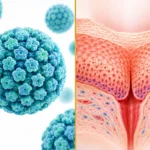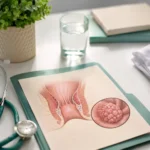
Genital warts can itch, but many people who have them feel nothing at all. The itching, when it does occur, is usually mild to moderate, not the intense, constant irritation that some people fear when they first notice a growth.
Genital warts are caused by low-risk HPV types, specifically HPV 6 and HPV 11. These strains do not cause cervical cancer or other HPV-related cancers, that’s a different group of high-risk types. Understanding what symptoms to expect, and what they mean, helps you make sense of what’s happening and decide on next steps.
Key Takeaways
- Genital warts do not always itch, many people have no symptoms at all
- When itching does occur, it is typically mild to moderate, not severe
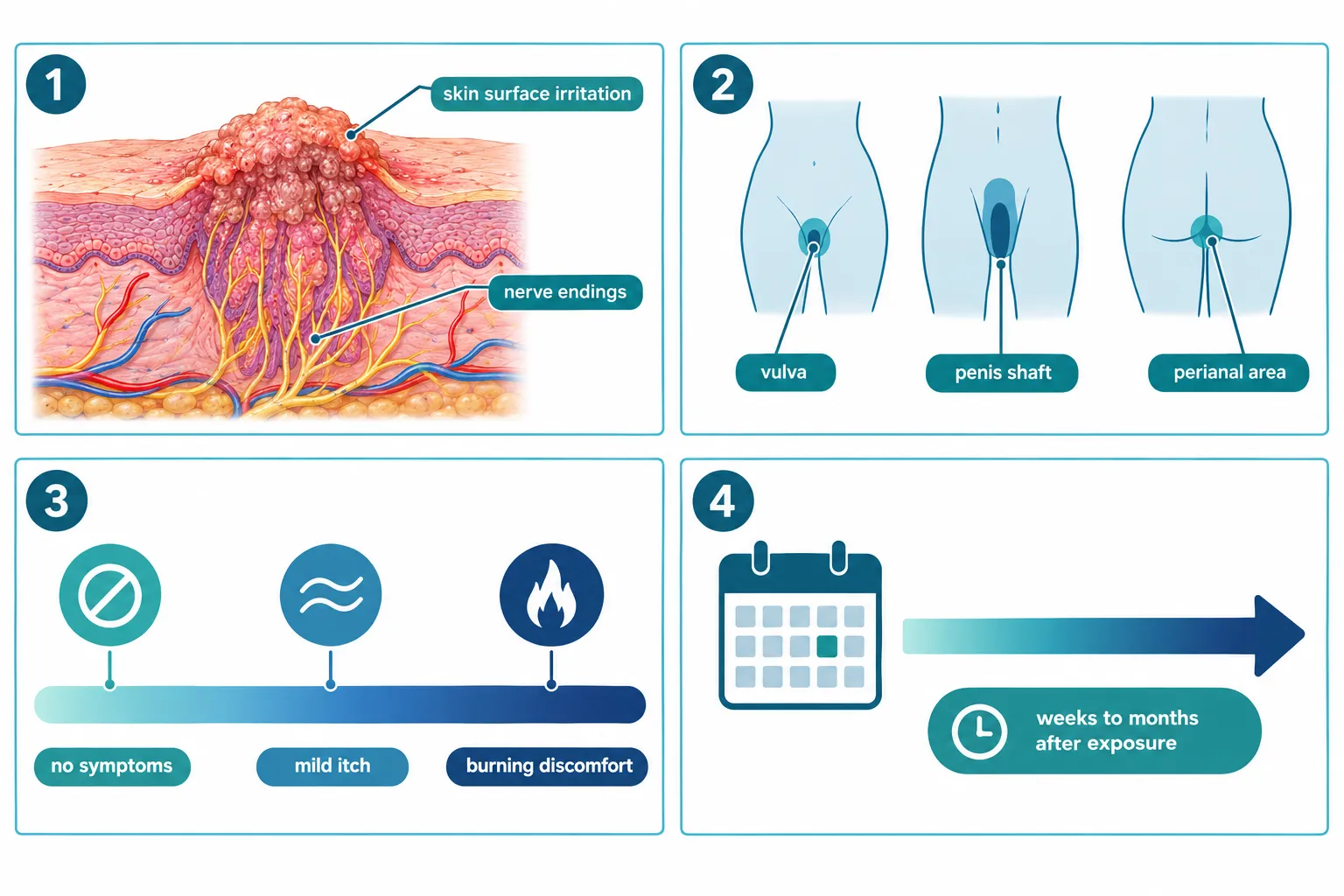
- Itching, burning, and discomfort are the most common symptoms when warts are felt
- Symptoms can appear weeks to months after HPV exposure, because warts develop slowly
- Itching alone does not confirm genital warts, a clinical diagnosis is needed
What Do Genital Warts Actually Feel Like?
Most genital warts cause no symptoms. That’s not a reassuring exaggeration, it’s the clinical reality. A significant number of people with HPV 6 or HPV 11 never notice any discomfort, and some only discover warts during a routine exam.
When symptoms do appear, itching is one of the most commonly reported. It tends to be a mild, intermittent itch rather than a relentless one. Burning and general irritation in the affected area are also part of the typical symptom cluster. Some people describe a feeling of roughness or sensitivity when the skin is touched.
The location matters too. Warts in areas with more friction, such as the perianal region or inner folds of the genitals, are more likely to cause noticeable discomfort than warts on smoother, less-touched surfaces. If you want a broader overview of how genital warts present across different body sites, the genital warts resource hub covers the full picture.
Pain is less typical than itching. Bleeding can occur, usually from friction or irritation, but it’s not a defining feature of genital warts. If you’re experiencing significant pain or bleeding, that warrants a clinical evaluation to rule out other causes.
Do Genital Warts Itch Constantly, or Only Sometimes?
The itch from genital warts is not constant for most people. It tends to come and go, often worsening with friction from clothing, sexual activity, or moisture in the skin folds. Some people notice it more at night, simply because there are fewer distractions.
Itching can also fluctuate depending on the size and number of warts. Larger or clustered warts, sometimes described as having a cauliflower-like texture, tend to cause more irritation than single, flat lesions. Warts located near the anus can cause particular discomfort, especially during bowel movements. The guide to anal genital warts explains what to expect in that specific area.
One thing worth knowing: the itch can appear months after the original HPV exposure. Genital warts have a variable incubation period, typically several weeks to several months, sometimes longer. So if itching starts and you notice a growth, it doesn’t necessarily mean recent transmission. The timing of HPV infection is often impossible to pin down precisely.
When Itching Isn’t Genital Warts
Genital itching has many causes, and genital warts are only one of them. Contact dermatitis, yeast infections, bacterial vaginosis, pubic lice, molluscum contagiosum, and skin tags can all produce itching in the same area. Some of these look similar to warts on casual inspection.
This is why self-diagnosis from itching alone is unreliable. A healthcare provider can usually identify genital warts visually, but in some cases a biopsy is needed to confirm the diagnosis and rule out other conditions. If you’re unsure whether what you’re seeing is a wart or something else, the comparison of skin tags and HPV warts breaks down the key differences.
The presence of itching also doesn’t tell you which HPV type you have. Low-risk types (6 and 11) cause warts; high-risk types (16, 18, and others) are linked to cancer risk but typically cause no warts or itching at all. If you’re concerned about the distinction, the article on whether the same virus can cause both genital warts and cervical cancer clarifies how those two groups differ.
Who’s at Higher Risk for Noticeable Genital Wart Symptoms?
Not everyone with HPV 6 or 11 develops visible warts, and not everyone with warts experiences itching. Certain groups are more likely to develop symptomatic or extensive warts:
- Immunocompromised individuals, people living with HIV, organ transplant recipients, or those on immunosuppressive therapy often develop larger, more persistent warts that are more likely to cause itching and discomfort
- Pregnant people, hormonal and immune changes during pregnancy can cause existing warts to grow faster and become more symptomatic
- Unvaccinated individuals, those who have not received the HPV vaccine have no protection against types 6 and 11, making initial infection more likely to result in visible, symptomatic warts
Does Treating Genital Warts Stop the Itching?
Yes, in most cases treating the warts reduces or eliminates the associated itching. The itch comes from the wart tissue itself, its texture, location, and interaction with surrounding skin. Remove or reduce the warts, and the irritation typically follows.
Several treatment options exist, and the right one depends on wart size, location, and your overall health. Topical treatments applied at home (such as imiquimod or podophyllotoxin) work gradually over several weeks. In-office procedures like cryotherapy destroy wart tissue more quickly. The straight-answers guide to cryotherapy for genital warts explains how that process works and what to expect during recovery.
It’s worth being clear about one thing: treating warts does not eliminate the HPV virus from your body. The virus can remain in the skin even after warts resolve. That said, most people’s immune systems suppress HPV over time, and recurrence becomes less frequent. For a fuller picture of what treatment actually achieves, the article on whether genital warts are curable addresses that question directly.

When Should Genital Itching Prompt a Doctor Visit?
Itching that persists, worsens, or is accompanied by visible growths, bleeding, or unusual discharge should be evaluated. There’s no benefit to waiting, warts are easier to treat when they’re smaller, and earlier evaluation means earlier relief from symptoms.
You should also seek evaluation if:
- You notice a new growth in the genital or perianal area that wasn’t there before
- Itching is disrupting sleep or daily activity
- You’ve had a recent sexual partner diagnosed with genital warts or HPV
- You’re pregnant and notice new or changing growths
If you’ve already been diagnosed and are wondering whether vaccination is still relevant to you, the article on getting the HPV vaccine when you already have genital warts covers what the evidence shows about that.
Frequently Asked Questions
Can genital warts itch without being visible?
Yes. Warts can be flat, small, or located in areas that are hard to see, inside the vaginal canal, on the cervix, or in the perianal folds. Itching may be the first noticeable symptom even when no visible growth is obvious. A clinical exam is the only reliable way to assess what’s causing the itch.
Do genital warts itch more during a flare-up?
Some people notice that itching increases during periods when warts are actively growing or when the immune system is under stress, from illness, fatigue, or other infections. This isn’t a formal “flare” in the same sense as herpes outbreaks, but symptom intensity can vary over time.
Can scratching genital warts make them spread?
Scratching can irritate the surrounding skin and potentially introduce the virus into small breaks in the skin nearby. It’s better to avoid scratching and to keep the area clean and dry. If itching is severe enough to be difficult to resist, that’s a reason to seek treatment sooner rather than later.
Is itching after genital wart treatment normal?
Mild itching or irritation during and after treatment is common, particularly with topical therapies that work by triggering a local immune response. Cryotherapy can also cause temporary soreness and itching as the treated area heals. If itching after treatment is severe or prolonged, contact the provider who prescribed your treatment.
Can genital warts spread through oral sex if there’s itching?
Itching itself doesn’t change transmission risk, HPV spreads through skin-to-skin contact regardless of whether symptoms are present. The guide on getting genital warts from oral sex explains the actual transmission routes in detail.
What to Do Next
If you’re experiencing genital itching and suspect genital warts, the clearest next step is a clinical evaluation. A healthcare provider can confirm or rule out warts, identify other possible causes of the itch, and discuss treatment options that match your situation.
If you’ve already been diagnosed, ask your provider specifically about symptom management alongside wart removal, the two goals often align, but it helps to name the itching as a concern so it’s addressed directly. And if you’re wondering whether warts might resolve without treatment, the article on whether genital warts can go away on their own explains what the evidence actually shows about spontaneous clearance.