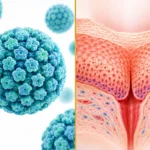
The HPV vaccine is one of the most studied vaccines in modern medicine, and the evidence on cervix HPV vaccine safety and effectiveness is clear and consistent. Vaccinated girls who received the shot before age 16 have an 80% lower risk of developing cervical cancer compared to unvaccinated peers. That is not a projected estimate, it comes from real-world data covering millions of people across multiple countries over nearly two decades.
If you are deciding whether to get vaccinated, whether to vaccinate your child, or trying to understand what the evidence actually says, here is what the research shows.
Key Takeaways
- The HPV vaccine reduces cervical cancer risk by up to 80% when given before age 16, based on data from over 4.54 million person-years of follow-up.
- Serious adverse events are rare and occur at similar rates in vaccinated and unvaccinated groups, no link has been found to infertility, Guillain-Barré syndrome, or premature ovarian failure.
- The current recommended schedule is one or two doses for girls aged 9-20, and two doses six months apart for women over 21; immunocompromised individuals should receive at least two, preferably three, doses.
- In England, no cervical cancer deaths were recorded in women aged 20-24 between 2020 and 2024, a cohort that was among the first to be vaccinated.
- Uptake, not safety or effectiveness, remains the main barrier to reducing cervical cancer rates globally.
How the HPV Vaccine Protects the Cervix
HPV types 16 and 18 cause approximately 70% of all cervical cancers. The vaccine works by triggering your immune system to produce antibodies before you ever encounter these high-risk genotypes. If you are later exposed to HPV 16 or 18, your immune system recognizes and clears the virus before it can establish a persistent infection, and persistent infection is what drives the cell changes that eventually become cancer.
The currently approved vaccines differ slightly in coverage. Gardasil-9, the version most widely used in the United States and many other countries, targets nine HPV types: the high-risk types 16, 18, 31, 33, 45, 52, and 58, plus the low-risk types 6 and 11 that cause most genital warts. Cervarix targets types 16 and 18 only. Both have demonstrated strong, durable protection against the cervical lesions, classified as CIN2 and CIN3, that precede invasive cervical cancer.
Protection is strongest when vaccination happens before any HPV exposure, which is why the recommended age starts at 9. But the vaccine still provides meaningful benefit for people who have not yet been exposed to all the types it covers, even if they have had prior HPV infections.
Cervix HPV Vaccine Safety: What the Evidence Actually Shows
The concern most people raise about the HPV vaccine involves serious side effects, infertility, autoimmune conditions, neurological problems. These concerns are understandable, particularly given the volume of misinformation circulating online. The evidence does not support them.
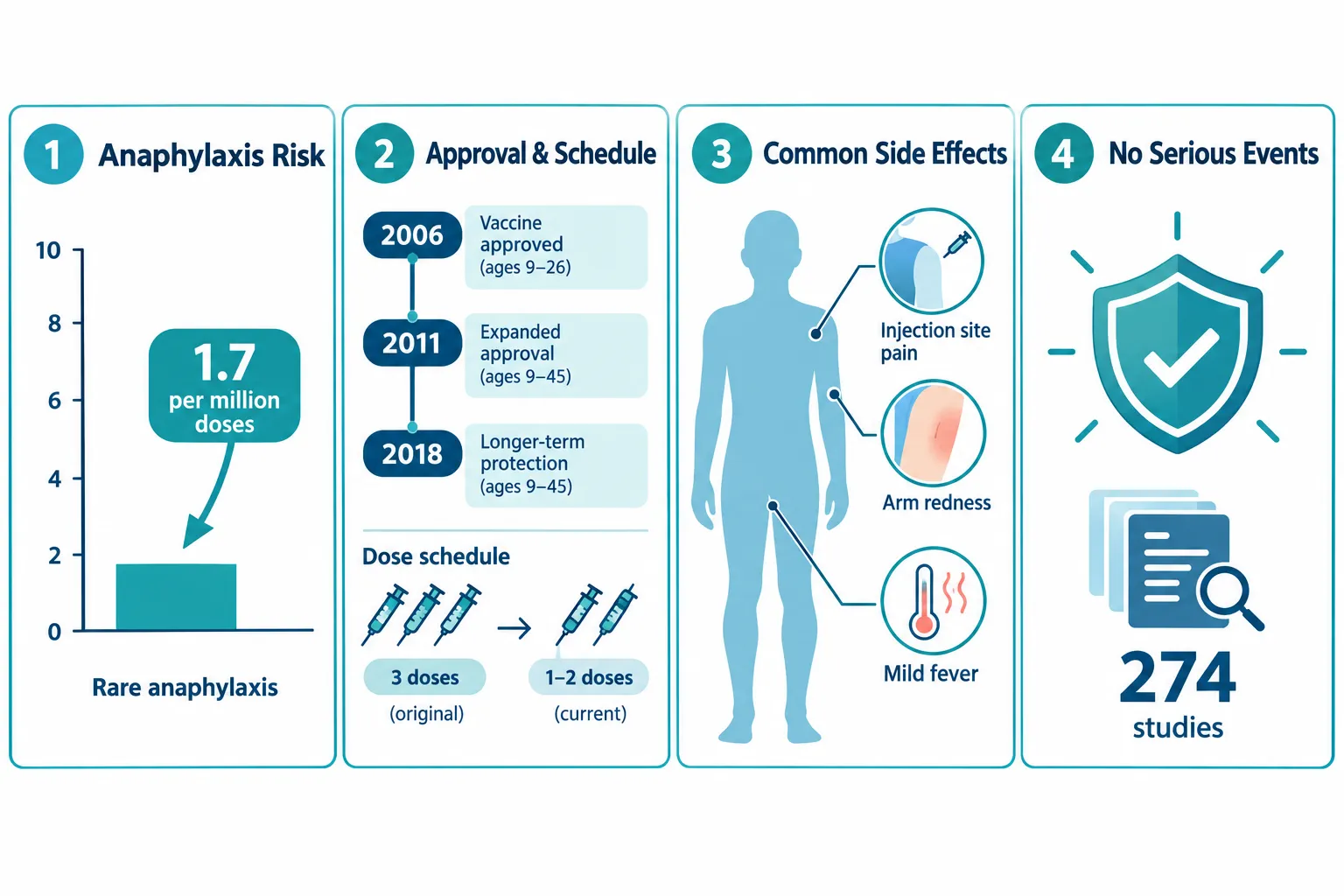
A 2026 evidence review synthesizing 274 studies found no association between HPV vaccination and serious adverse events, including infertility, premature ovarian failure, pregnancy complications, Guillain-Barré syndrome, chronic fatigue syndrome, complex regional pain syndrome, or paralysis. Serious adverse events were rare and occurred at similar rates in vaccinated and comparison groups.
The HPV vaccine is not recommended during pregnancy, not because of documented harm, but because sufficient safety data in pregnant people is still being gathered. If you are pregnant and due for a dose, the standard recommendation is to wait until after delivery.
Common side effects are mild and short-lived:
- Pain, redness, or swelling at the injection site
- Low-grade fever
- Headache or fatigue in the day or two after vaccination
- Dizziness or fainting shortly after the injection (most common in adolescents, sitting for 15 minutes post-injection reduces this risk)
Anaphylaxis, a severe allergic reaction, is the most serious documented risk, estimated at approximately 1.7 cases per million doses. That is why vaccination is given in a clinical setting with a brief observation period afterward.
The misinformation cycle around HPV vaccine safety has real consequences. In Indonesia, online claims about fertility effects led to hesitancy around a school-based immunization programme. A formal investigation into a reported serious adverse event in Karo Regency concluded the event was coincidental and unrelated to the vaccine, and the programme continued. A separate review of 121 studies found no link between HPV vaccines and infertility or premature ovarian failure.
Who Is at Higher Risk for Cervical HPV-Related Disease?
Some groups face a higher risk of HPV progressing to cervical disease and benefit most from vaccination and consistent screening:
- Immunocompromised individuals, including people living with HIV and organ transplant recipients, are less able to clear HPV naturally and are more likely to develop persistent infections and high-grade lesions. They should receive at least two, preferably three, vaccine doses regardless of age.
- Unvaccinated people, the single most modifiable risk factor for vaccine-preventable HPV-related cervical disease.
- People with a history of abnormal Pap results, prior LSIL or HSIL findings indicate existing HPV activity; vaccination still protects against types not yet acquired.
- Smokers, smoking impairs local cervical immune response, making it harder to clear HPV infections and increasing the risk of progression to dysplasia.
Cervix HPV Vaccine Effectiveness: Real-World Numbers
The effectiveness data is now drawn from populations, not just clinical trials.
In England, analysis of linked screening and cancer registry data estimated the HPV vaccine has already prevented around 200 cervical cancer deaths. Between 2020 and 2024, no cervical cancer deaths were recorded in women aged 20-24, a cohort that was among the first to receive the vaccine. Cervical cancer deaths in England have fallen to a record low.
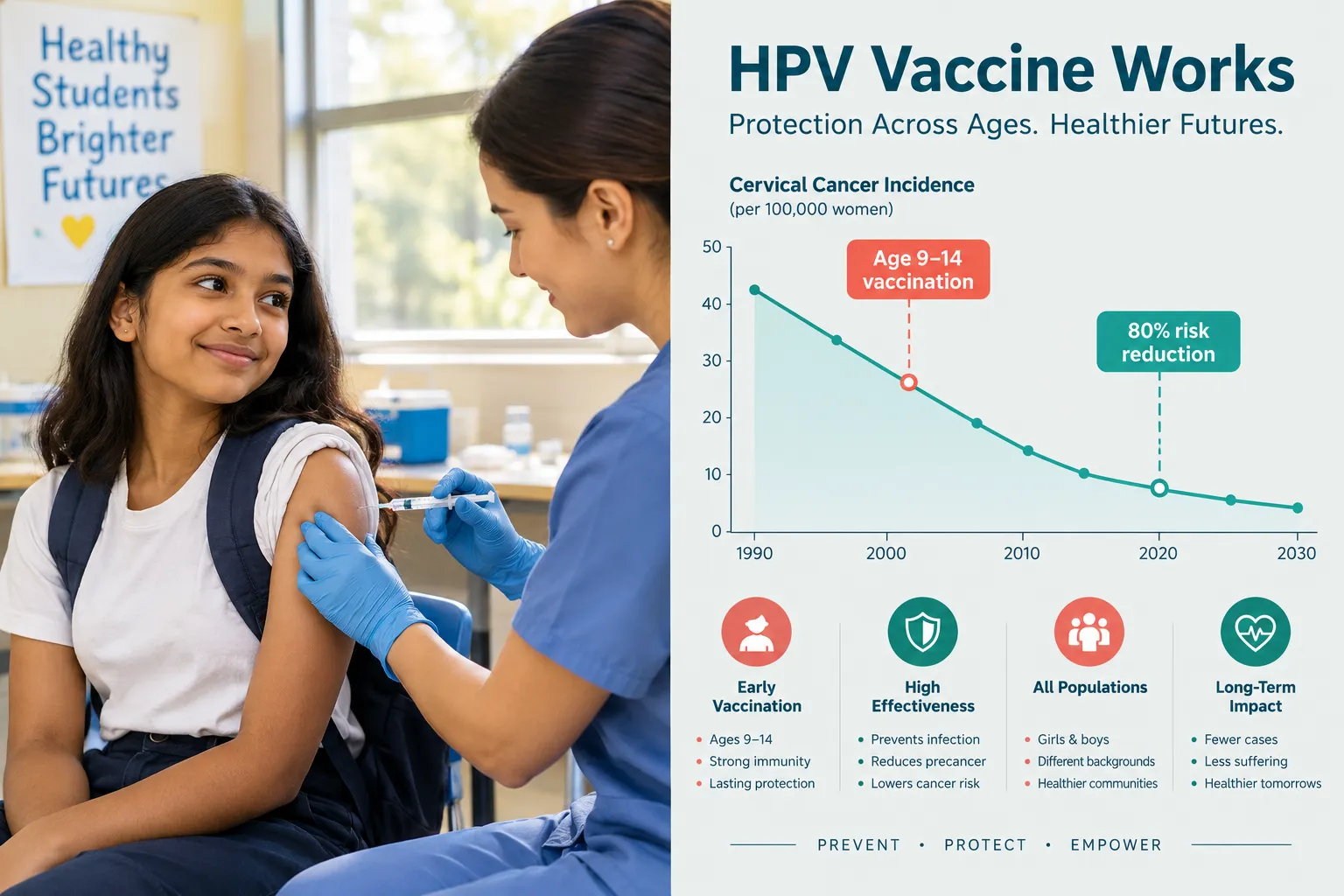
A meta-analysis covering 4.54 million person-years confirmed that vaccination at or before age 16 reduces cervical cancer risk by 80% (relative risk 0.20). The benefit drops with age at first vaccination, which is why earlier is consistently better, not because the vaccine stops working, but because the window before first HPV exposure is narrowing.
A large study involving nearly 3.5 million people found that HPV vaccination significantly reduces the risk of several cancers beyond the cervix, including certain head-and-neck cancers. The cervix gets most of the attention, but the vaccine’s protection extends to all HPV-associated cancer sites.
Australia’s 20-year experience with Gardasil shows what sustained high coverage achieves, and what declining coverage risks. HPV vaccine coverage for girls by their 15th birthday fell from 86.6% in 2020 to 78.7% in 2025. National experts have been direct: the vaccine has saved millions of lives globally, and coverage gaps will eventually show up in cancer rates.
India launched what has been described as the world’s largest free HPV vaccination drive in February 2026, targeting approximately 11.5 million 14-year-old girls with a single Gardasil-4 dose. By September 2026, over 8 million doses had been administered. The scale of that effort reflects the global consensus on the vaccine’s value.
In the United States, 2025 data showed that 77.7% of adolescents aged 13-17 had received at least one HPV dose, and 63.4% were up to date with the series. The Healthy People 2030 target is 80% fully vaccinated. The gap is not about safety concerns among clinicians, it is about access, missed opportunities at clinical visits, and persistent misinformation.
The Recommended Vaccine Schedule
The current WHO-recommended schedule is:
| Age Group | Recommended Doses |
|---|---|
| Girls aged 9-14 | 1 or 2 doses |
| Females aged 15-20 | 1 or 2 doses |
| Women aged 21 and older | 2 doses, 6 months apart |
| Immunocompromised / HIV-positive | At least 2, preferably 3 doses |
The shift from a three-dose to a one- or two-dose schedule reflects accumulating evidence that fewer doses still provide strong protection in young, immunocompetent individuals. Antibody responses in younger adolescents are robust enough that a single dose may be sufficient, though guidance varies by country and vaccine brand.
If you started the series and did not complete it, you do not need to restart. You pick up where you left off.
Does the Vaccine Replace Cervical Screening?
No. The vaccine does not protect against all high-risk HPV types, and it does not clear infections that were already present before vaccination. Regular cervical screening, Pap smear and/or HPV co-testing, remains essential.
Cell changes are easiest to treat before they progress, which is what screening is designed to catch. If you have had an abnormal Pap result and want to understand what the findings mean, the abnormal Pap smear guide covers what to expect at each step. For results that include an ASCUS finding alongside HPV, ASCUS HPV: What Research Shows explains what that combination typically means for follow-up.
The vaccine and screening work together. One reduces the probability of acquiring high-risk HPV; the other catches any cell changes that develop despite that protection.
What About People Who Already Have HPV?
If you already have an HPV infection, the vaccine will not clear it. But it will still protect you against the types you have not yet been exposed to, and most people have not been exposed to all nine types covered by Gardasil-9.
The HPV symptoms guide covers what signs to watch for and why most people have none, which is relevant context if you are trying to understand your own situation. For questions about sexual activity with an active HPV infection, Can You Have Sex with HPV? addresses transmission and risk reduction directly.
The vaccine is also recommended for men. For a detailed look at how the evidence applies to male vaccination, including whether it helps if HPV is already present, the HPV vaccine for men guide covers the current recommendations and the reasoning behind them.
Frequently Asked Questions
Is the HPV vaccine safe for adults over 26?
The FDA has approved Gardasil-9 for use up to age 45, but the benefit is lower in older adults because the likelihood of prior HPV exposure increases with age. Your doctor can help you assess whether vaccination makes sense based on your history. The vaccine is safe in this age group, the question is how much protection it will add given what you may have already been exposed to.
Can the HPV vaccine cause infertility?
No evidence supports this. A review of 121 studies found no link between HPV vaccination and infertility or premature ovarian failure. This claim circulates widely online, particularly in countries rolling out new vaccination programmes, but it has been formally investigated and not substantiated.
How long does protection from the HPV vaccine last?
Long-term follow-up studies, now extending beyond 15 years, have not shown significant waning of protection. Antibody levels remain detectable, and real-world data from countries with long-standing vaccination programmes shows sustained reductions in HPV-related disease. Booster doses are not currently recommended for immunocompetent individuals.
Does the vaccine protect against all types of HPV that cause cervical cancer?
Gardasil-9 covers seven high-risk types, including HPV 16 and 18, which together account for about 70% of cervical cancers. It does not cover all oncogenic types. Types 31, 33, 45, 52, and 58 are also included, extending coverage to approximately 90% of cervical cancers. This is why screening remains necessary even after full vaccination.
At what age is the HPV vaccine most effective?
The evidence is consistent: vaccination before age 16 produces the strongest protection, with an 80% reduction in cervical cancer risk documented in that group. This reflects the higher likelihood of vaccination occurring before first HPV exposure, combined with a more robust immune response in younger adolescents.
Can HPV come back after vaccination?
The vaccine prevents new infections with the types it covers. It does not eliminate existing infections. If you had HPV before vaccination, that infection is unaffected by the vaccine. For questions about HPV reactivation after a period of inactivity, Can HPV Come Back Without Being Sexually Active? explains the biology of dormancy and reactivation.
The Evidence Is Settled, Uptake Is the Remaining Challenge
The cervix HPV vaccine safety and effectiveness data is among the most robust in vaccine science. Across 274 studies, millions of person-years of follow-up, and real-world outcomes from England, Australia, the United States, and India, the picture is consistent: the vaccine prevents cervical cancer, serious adverse events are rare and not causally linked to vaccination, and the primary barrier to impact is not the vaccine itself, it is coverage gaps.
If you are within the recommended age range and have not been vaccinated, the practical next step is a conversation with your doctor or a visit to a local clinic. If you have already been vaccinated, continue with regular cervical screening, the vaccine reduces your risk substantially, but screening remains the mechanism for catching any cell changes that develop. If you have questions about an abnormal result after vaccination, what happens next after an abnormal Pap smear outlines the follow-up process clearly.