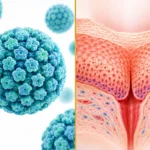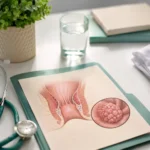
Genital warts are highly contagious, and they can spread even when no warts are visible. They are caused by specific low-risk strains of human papillomavirus, primarily HPV types 6 and 11, and are passed through direct skin-to-skin contact during sexual activity. Understanding exactly how transmission works, and what reduces the risk, gives you something far more useful than a simple yes or no.
Key Takeaways
- Genital warts are caused by low-risk HPV types 6 and 11, not the same strains linked to cervical cancer.
- The virus spreads through skin-to-skin genital contact, not through surfaces, toilets, or casual touch.
- Transmission can occur even when no visible warts are present, because the virus sheds from skin asymptomatically.
- Condoms reduce transmission risk but do not eliminate it, since HPV can occupy skin not covered by a condom.
- The HPV vaccine (Gardasil 9) protects against both HPV 6 and 11, and vaccination rates are directly linked to declining genital warts diagnoses.
How Are Genital Warts Contagious? The Transmission Basics
Genital warts spread through direct skin-to-skin contact with an infected area, most commonly during vaginal, anal, or oral sex. The virus does not need a cut or visible sore to enter the body. It passes through the mucous membranes and the thin skin of the genital area, where it can establish an infection even when the skin looks completely normal.
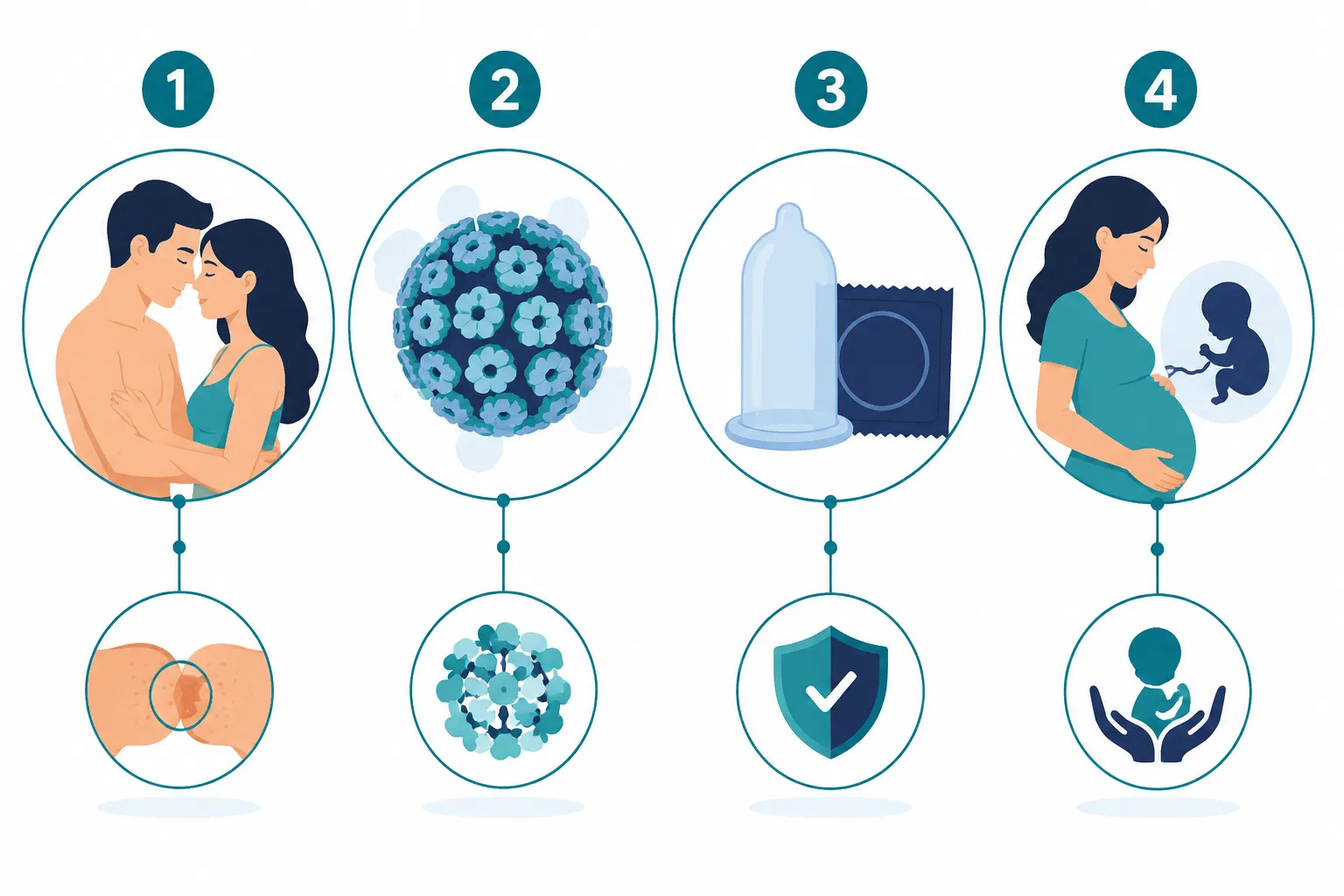
This is the part that catches many people off guard: you do not need to see a wart to transmit the virus. HPV sheds from the skin during asymptomatic periods, meaning someone can pass the virus to a partner without knowing they are infected. Estimates from sexual health research suggest that HPV is transmitted in roughly 40-65% of sexual partnerships where one partner carries the virus, though the exact figure varies depending on the type of sexual contact, immune status, and whether barriers were used.
The virus does not survive on surfaces. Genital warts are not spread through toilet seats, towels, swimming pools, or casual non-sexual contact. This is a consistent finding across decades of epidemiological data.
For a broader look at how HPV moves between people, the how HPV spreads and how it doesn’t guide covers the full picture beyond genital warts specifically.
Does the Incubation Period Affect Contagiousness?
Yes. After exposure to HPV types 6 or 11, visible warts typically appear anywhere from three weeks to several months later, sometimes up to two years. During that entire window, a person may be contagious without any visible sign of infection. This long and variable incubation period is one reason it is often impossible to pinpoint exactly when or from whom a transmission occurred.
The timing of wart appearance says nothing reliable about when the infection happened.
Are Genital Warts Contagious Without Visible Warts?
This is one of the most common questions, and the answer is yes. Asymptomatic viral shedding means the virus is present on the skin surface and can be passed to a partner even when there are no warts, no symptoms, and no awareness of infection. This is true for HPV broadly, and it applies specifically to the low-risk types that cause genital warts.
This is also why asking “do you have any warts?” is not a reliable screening method. Many people who transmit HPV have never had a visible wart in their life. The virus can remain in the skin at subclinical levels for months or years.
Genital warts are classified as a sexually transmitted infection, and understanding that classification matters, because it shapes how sexual health clinics approach testing, partner notification, and treatment decisions.
What About Transmission During Childbirth?
Vertical transmission, from a birthing parent to a newborn during vaginal delivery, is possible but uncommon. When it does occur, it can cause a rare condition called recurrent respiratory papillomatosis (RRP) in the infant, where HPV 6 or 11 causes wart-like growths in the airway. This is not a reason to automatically recommend cesarean delivery, and most obstetric guidelines do not advise it solely on the basis of genital warts. A doctor managing a pregnancy alongside a genital warts diagnosis will weigh the specific clinical picture.
Who Is at Higher Risk for Genital Warts?
Several groups face a meaningfully higher likelihood of acquiring or experiencing more severe genital warts:
- Unvaccinated people, those who have not received the HPV vaccine (Gardasil 9) remain fully susceptible to HPV types 6 and 11.
- Immunocompromised individuals, people living with HIV, those on immunosuppressive medications after organ transplantation, or anyone with a weakened immune response are more likely to develop persistent or extensive warts that are harder to treat.
- People with multiple sexual partners or early sexual activity, more frequent exposure to different partners increases cumulative exposure risk.
- Pregnant people, hormonal and immune changes during pregnancy can cause existing warts to grow more rapidly or become more numerous, and some treatments are contraindicated during pregnancy.
Do Condoms Prevent Genital Wart Transmission?
Condoms reduce the risk, but they do not eliminate it. This is not a reason to avoid using them, condoms provide meaningful protection against many STIs, and consistent use does lower HPV transmission rates. The limitation is anatomical: HPV lives on skin, and genital skin extends beyond the area a condom covers. The base of the penis, the scrotum, the vulva, and the inner thighs can all harbor the virus and come into contact with a partner’s skin during sex.
Consistent and correct condom use is still recommended. It reduces transmission risk and provides protection against other infections simultaneously.
How Long Are Genital Warts Contagious?
The honest answer is: it varies, and there is no reliable way to know when contagiousness ends. The immune system can suppress HPV to undetectable levels over time, most HPV infections, including low-risk types, are controlled by the immune system within one to two years. But “controlled” is not the same as “eliminated.” The virus may persist in small reservoirs in the skin without causing symptoms or being detectable.
After visible warts are treated and resolve, the virus may still be present. Treatment removes the warts, it does not cure the underlying HPV infection. This is an important distinction, and it is covered in detail in the genital warts treatment options guide, which explains what each treatment approach actually does.
Most sexual health clinicians advise that people inform partners of a history of genital warts, even after successful treatment, because residual viral shedding remains possible.
Can Vaccination Reduce the Spread of Genital Warts?
Yes, and surveillance data from multiple countries show this clearly. Since the introduction of HPV vaccination programs, genital warts diagnoses have declined substantially in vaccinated age cohorts. In countries with high adolescent vaccination coverage, some studies have documented reductions of over 80% in genital wart diagnoses among young women, with significant herd-protection effects in unvaccinated groups as well.
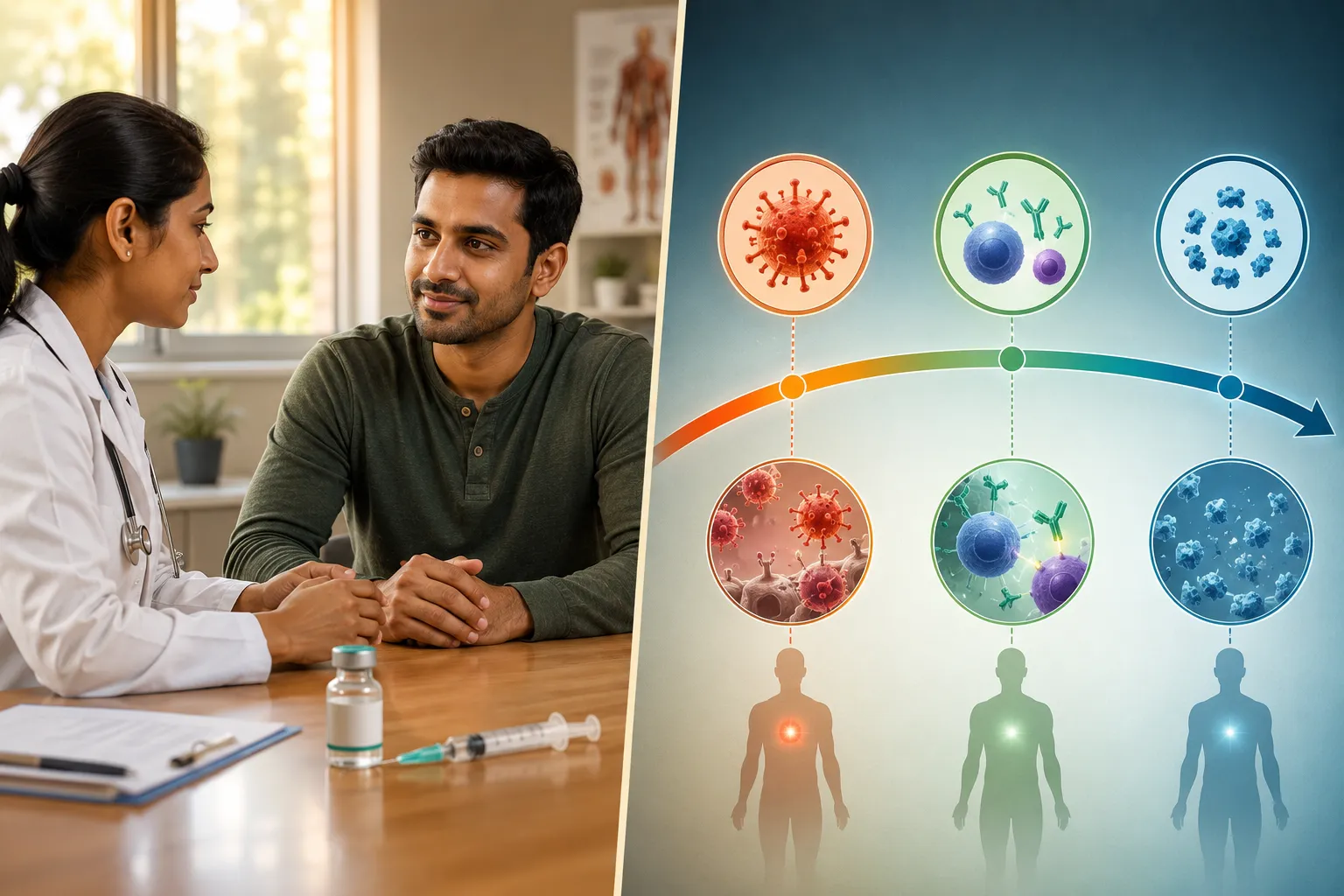
Gardasil 9 covers HPV types 6 and 11, the two strains responsible for approximately 90% of genital warts cases. Vaccination before first sexual exposure provides the strongest protection, but it retains benefit for people who have not yet been exposed to all covered types.
The HPV vaccine guide explains the schedule, age recommendations, and what the evidence shows about effectiveness. For men specifically, the HPV vaccine for men page addresses whether vaccination still helps after an existing diagnosis.
Understanding the broader HPV type landscape, including which types are low-risk versus high-risk, is covered in the HPV types explained guide.
What to Do If You Think You Have Been Exposed
See a sexual health clinician or your primary care provider. Genital warts are diagnosed by visual examination in most cases, no swab or blood test is needed to identify visible warts. If warts are present, several effective treatment options exist, from topical prescription creams to in-office procedures. The topical medications for genital warts page covers how prescription creams work and what to expect from each one.
If you have no visible warts but are concerned about exposure, a clinician can assess your situation and discuss whether any follow-up is warranted. There is no approved test to detect low-risk HPV types like 6 and 11 on skin, HPV testing done during cervical screening detects high-risk types only.
Genital warts are common, treatable, and caused by a virus that most sexually active adults encounter at some point. The goal of diagnosis is not to assign blame, it is to manage the condition and reduce transmission going forward.
Frequently Asked Questions
Can genital warts spread to other parts of the body?
HPV types 6 and 11 are adapted to genital and anal skin. Spread to other body areas, such as the hands or mouth, is possible but uncommon with these specific types. Oral HPV from genital warts strains does occur but is less frequently documented than oral infection with high-risk types. Autoinoculation (spreading warts to another area of your own body by touching a wart and then touching another skin surface) is a known but relatively rare phenomenon.
If my partner has genital warts, does that mean they were unfaithful?
Not necessarily, and the medical evidence does not support drawing that conclusion. HPV can remain dormant in the body for months or years before warts appear. It is genuinely impossible in most cases to determine when an infection was acquired or from whom. The incubation period alone can span two years, which means a current partner may have been infected long before the relationship began.
Are genital warts the same as the HPV that causes cancer?
No. Genital warts are caused by low-risk HPV types 6 and 11, which are not associated with cervical, anal, or oropharyngeal cancers. The high-risk types, primarily HPV 16 and 18, cause the cell changes that can lead to cancer, but they do not cause visible warts. Having genital warts does not mean you have a cancer-causing HPV strain. That said, it is possible to carry both low-risk and high-risk types simultaneously, which is why routine cervical screening remains important regardless of a genital warts history.
Can genital warts come back after treatment?
Yes. Treatment removes visible warts, but the underlying HPV infection may persist in the surrounding skin. Recurrence rates after treatment range from roughly 20-30% within the first three months. Recurrences are more common in people who are immunocompromised. Repeated treatment is effective, and many people eventually achieve long-term clearance as their immune system suppresses the virus over time.
Is it safe to have sex while being treated for genital warts?
Most clinicians recommend avoiding sexual contact with the affected area while warts are actively present and during treatment, both to reduce transmission risk to partners and to allow the treated tissue to heal. The specific guidance depends on the treatment being used, some topical treatments require a waiting period after application before any contact. Discuss the timing with the clinician managing your treatment.