Genital warts are usually painless. Most people who develop them notice a bump or cluster of bumps but feel little to nothing at all. That said, “usually painless” is not the same as “always painless,” and understanding the difference matters when you’re trying to figure out what’s going on with your own body.
Key Takeaways
- Genital warts, caused by low-risk HPV types 6 and 11, are typically painless but can cause itching, burning, or tenderness in some cases.
- Pain or bleeding is more likely when warts are large, clustered, located around the anus or urethra, or repeatedly irritated by clothing or sexual activity.
- Genital warts do not cause open sores, that’s a key difference from herpes, which typically does.
- Treatment itself (cryotherapy, topical acids, prescription creams) can cause temporary burning or irritation even when the warts were not previously painful.
- Any new genital bump, persistent pain, painful urination, or bleeding warrants a medical evaluation, not because it’s an emergency, but because accurate diagnosis changes everything.
What Do Genital Warts Actually Feel Like?
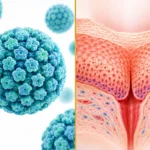
Genital warts are caused by low-risk HPV types, most commonly HPV 6 and HPV 11. These strains do not cause cancer, but they do cause soft, flesh-colored growths that can appear on the vulva, penis, scrotum, inner thighs, around the anus, or inside the vagina or urethra.
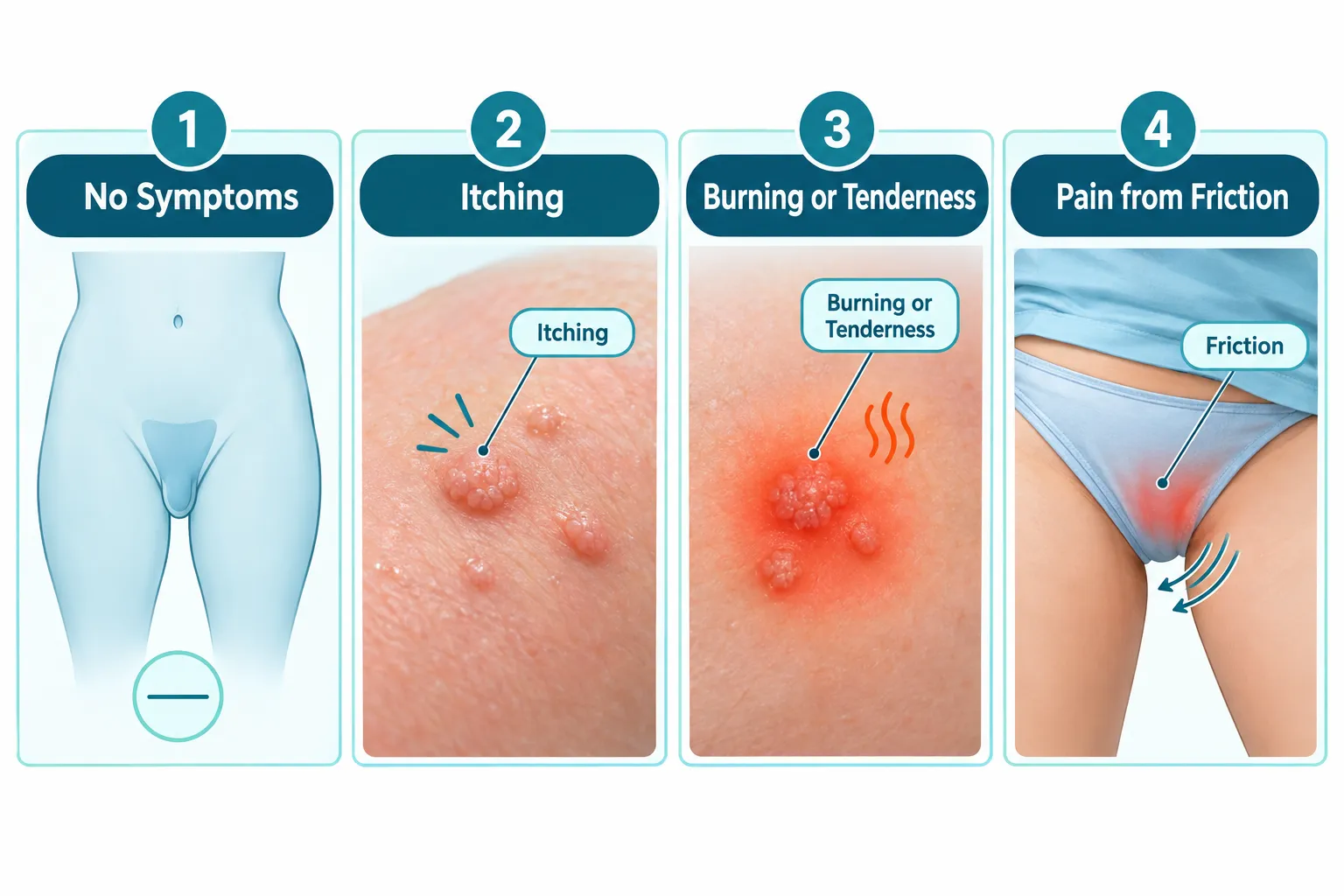
The most common experience is no sensation at all. Many people discover warts during a routine exam or only notice them visually. When symptoms do occur, they tend to be:
- Itching or mild irritation around the wart site
- A burning sensation, especially during or after sex
- Tenderness when the area is touched or rubbed
- Occasional bleeding if a wart is scratched or traumatized
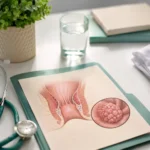
Pain as a dominant symptom, the kind that’s hard to ignore, is less typical. It’s more likely when warts are large, clustered together, or located in areas subject to constant friction, such as the anal region or the opening of the urethra. Warts inside the urethra can cause discomfort during urination. Warts around the anus can make bowel movements uncomfortable.
So do genital warts hurt? For most people, not significantly. But the answer genuinely varies based on size, location, and whether the tissue gets repeatedly irritated.
Do Genital Warts Hurt During Sex?
Sex can change the picture. Warts that cause no discomfort during daily activity may become sore, tender, or prone to minor bleeding during intercourse, particularly if they’re located where friction is highest.
This doesn’t mean sex is always off the table, but it does mean that persistent discomfort during sex is worth bringing up with a clinician. Bleeding from warts during sex can also increase the risk of transmitting HPV to a partner, so it’s a practical reason to get them evaluated and treated.
Warts that are soft and small often go unnoticed during sex. Larger or pedunculated (stalk-like) warts are more likely to be felt by both partners and more likely to be irritated by movement.
Genital Warts vs. Herpes: A Key Distinction
One reason people ask whether genital warts hurt is that they’re trying to distinguish them from herpes. This is worth addressing directly.
Herpes lesions, caused by HSV-1 or HSV-2, typically begin as painful blisters that break open into raw, tender sores. The pain from a herpes outbreak can be significant, and the sores are open wounds.
Genital warts do not form open sores. They are raised, solid growths. They do not blister, weep fluid, or crust over the way herpes lesions do. If you have painful open sores, that symptom profile points away from genital warts and toward something that needs its own evaluation.
That said, self-diagnosis based on pain level alone is unreliable. Both conditions require clinical assessment, a visual exam, and sometimes a swab or biopsy, to confirm. The full overview of genital warts covers what they look like and how they’re identified.
Who’s at Higher Risk for Painful or Complicated Genital Warts?
Most people with genital warts have mild symptoms or none at all. But certain groups are more likely to develop larger, more persistent, or more symptomatic warts:
- Immunocompromised individuals, including people living with HIV and organ transplant recipients on immunosuppressive therapy, often develop more extensive wart clusters that are harder to treat and more likely to cause discomfort.
- Pregnant people, hormonal changes during pregnancy can cause existing warts to grow rapidly, sometimes large enough to obstruct the birth canal or cause significant local discomfort.
- Unvaccinated individuals, those who haven’t received the HPV vaccine have no protection against types 6 and 11, the strains responsible for roughly 90% of genital warts.
- People with warts in high-friction locations, anal warts and urethral warts are anatomically more prone to irritation, bleeding, and pain than warts on the outer skin.
When Does Treatment Itself Cause Pain?
This is something that doesn’t always get mentioned upfront: treating genital warts can hurt, even when the warts themselves didn’t.
Cryotherapy for genital warts, freezing with liquid nitrogen, is one of the most common in-office procedures. It typically causes a stinging or burning sensation during and after the application. The treated skin may blister, become raw, and remain tender for several days.
Topical prescription medications for genital warts such as trichloroacetic acid (TCA) or imiquimod can cause local burning, redness, and erosion of the skin surface. These are expected side effects, not signs that something has gone wrong, but they’re worth knowing about before you start treatment.
If your warts are currently asymptomatic and small, your clinician may discuss whether immediate treatment is necessary or whether watchful waiting is reasonable. That conversation should include what treatment side effects look like, not just what the warts themselves feel like.
Do Genital Warts Hurt? Symptoms That Warrant a Same-Week Appointment
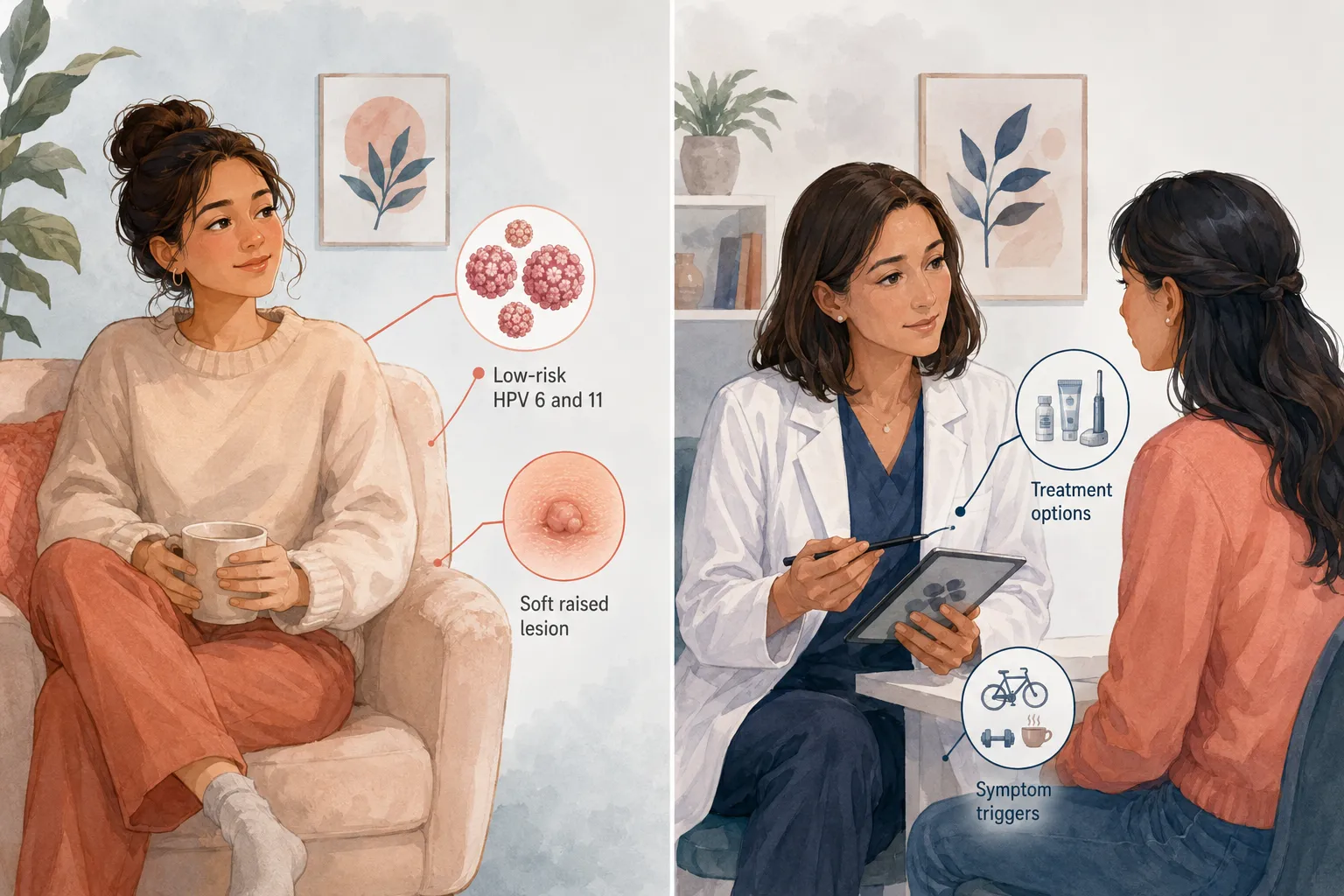
Most genital warts don’t require an emergency visit. But certain symptoms mean you should see a clinician within the week, not because something catastrophic is happening, but because these symptoms change the clinical picture:
- Pain during urination that’s new or worsening
- Bleeding from the genital or anal area that isn’t explained by menstruation
- Warts that are growing rapidly or merging into larger masses
- Significant pain during sex that wasn’t present before
- Any open sore, ulcer, or wound alongside the warts
These symptoms don’t automatically mean something serious, but they do mean a visual exam isn’t enough on its own. A clinician may want to examine the urethra, the anal canal, or the cervix depending on your anatomy and symptom location.
For context on how genital warts relate to HPV more broadly, including which strains cause warts versus which cause cervical changes, the article on whether HPV can cause both genital warts and cervical cancer explains how the low-risk and high-risk strains differ.
Treatment Options When Warts Are Causing Discomfort
If genital warts are itching, burning, or causing pain, that’s a clear reason to treat rather than wait. Treatment won’t eliminate HPV from your body, but it removes the physical lesions and typically resolves the associated discomfort.
Options include:
- Topical patient-applied treatments, imiquimod cream, sinecatechins ointment, or podophyllotoxin solution, applied at home over several weeks
- In-office procedures, cryotherapy, TCA application, electrocautery, or surgical excision for larger or resistant warts
- Combination approaches, sometimes used when warts are extensive or have not responded to a single treatment
The condyloma genital warts treatment guide covers what each option involves and what to expect during recovery. For women specifically, the options for treating genital warts in women addresses anatomical considerations that affect which treatments are most appropriate.
Treatment timelines vary. Some warts clear after one or two sessions; others require several weeks of topical therapy. Recurrence is possible because HPV can remain dormant in surrounding tissue even after visible warts are removed.
Frequently Asked Questions
Can genital warts cause pain without being visible?
Warts inside the vaginal canal, urethra, or anal canal may cause discomfort, burning, pressure, or pain during urination or sex, without being visible externally. If you have unexplained genital pain and no visible lesions, an internal examination is the only way to rule this out.
Do genital warts bleed?
They can, especially if they’re scratched, irritated by clothing, or traumatized during sex. Bleeding from a wart is not a sign of cancer, genital warts are caused by low-risk HPV types, but persistent or unexplained genital bleeding should always be evaluated by a clinician.
Is itching from genital warts the same as itching from a yeast infection?
Not necessarily. Both can cause genital itching, but the cause and treatment are completely different. Yeast infections typically also cause discharge and a specific odor; genital warts cause raised bumps. A clinical exam distinguishes them. Don’t treat one based on a self-diagnosis of the other.
Can you have genital warts and not know it?
Yes. Many people carry HPV types 6 and 11 and develop warts that are small, flat, or located in areas they can’t easily see. Warts can also appear months or even years after the initial HPV infection, making it difficult to trace exactly when or from whom the virus was acquired.
Does having genital warts mean you should skip the HPV vaccine?
No. If you already have genital warts, the vaccine won’t treat existing lesions, but it can protect against HPV strains you haven’t yet been exposed to. The article on getting the HPV vaccine when you already have genital warts explains current guidance on this.
What to Do Next
Genital warts are common, caused by low-risk HPV, and in most cases cause little to no pain. If you have visible bumps that aren’t bothering you, a clinical evaluation is still the right move, accurate diagnosis matters, and a clinician can confirm whether what you’re seeing is actually warts or something else entirely.
If you have itching, burning, pain during sex, pain during urination, or any bleeding, those symptoms are a reason to be seen sooner rather than later. Not because they signal something dangerous, but because they’re treatable, and treatment is easier when it starts early.