Last updated: June 8, 2026
Quick Answer: Genital warts are small, soft growths on the genital or anal area caused by low-risk types of HPV (usually 6 and 11). They’re very common, usually painless, and do not turn into cancer. They spread through skin-to-skin sexual contact, and while they can be removed with treatment, the underlying virus may remain.
Table of Contents
Key Takeaways
- Genital warts are caused by low-risk HPV types 6 and 11 — not the same strains that cause cervical or other cancers.
- They are one of the most common sexually transmitted infections worldwide, affecting people of all genders.
- Warts can appear on the penis, scrotum, vulva, vagina, cervix, anus, groin, or — less commonly — the mouth and throat.
- Transmission happens through skin-to-skin sexual contact; you can pass the virus even when no warts are visible.
- Condoms reduce the risk of transmission but do not eliminate it, because HPV can be present on skin not covered by a condom.
- Treatment removes visible warts but does not necessarily clear the underlying HPV virus; recurrence is common.
- The HPV vaccine (Gardasil 9) is the most effective way to prevent genital warts caused by HPV 6 and 11.
- A visible bump on the genitals should always be evaluated by a clinician — do not attempt self-diagnosis or home removal.
- Most people with HPV, including the types that cause warts, clear the virus over time without long-term complications.
- Early diagnosis and treatment reduce the risk of spreading genital warts to partners.
What Are Genital Warts?
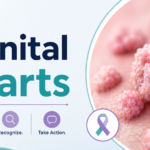
Genital warts are soft, skin-colored growths that appear on or around the genitals and anal area. They are caused by specific low-risk strains of human papillomavirus (HPV) — most often HPV types 6 and 11 — and they do not cause cancer. This distinction matters enormously: the HPV types responsible for most cervical, anal, and oropharyngeal cancers (primarily types 16 and 18) are entirely different from the types that produce warts.
HPV is the most common sexually transmitted infection in the world. The World Health Organization (WHO) estimates that most sexually active people will acquire at least one HPV type at some point in their lives. Genital warts represent one of the most visible manifestations of HPV infection, but “visible” does not mean “dangerous” in the cancer sense.
A single wart on the genital area, a cluster of warts, or warts that appear and disappear over time are all possible presentations of the same underlying infection. The medical term you may see in clinical notes is condylomata acuminata, which simply refers to anogenital warts caused by HPV.
Key point: Finding a wart on your genitals is alarming, but it is not a cancer diagnosis. Low-risk HPV types 6 and 11 cause warts; high-risk types 16 and 18 are linked to cancer. These are separate categories of the same virus family.
What Do Genital Warts Look Like?
Genital warts vary quite a bit in appearance, which is one reason people often mistake them for other skin conditions. They are most commonly flesh-colored or slightly grey, and they can be flat or raised. Some are smooth; others have a bumpy, cauliflower-like texture. They may appear as a single small bump or as a group of growths clustered together.
Common visual characteristics:
- Color: Flesh-toned, pinkish, grey, or occasionally white
- Texture: Smooth and flat, or rough and raised with a bumpy surface
- Size: Ranging from a few millimeters to several centimeters when multiple warts merge
- Shape: Round, irregular, or resembling a small cauliflower head
- Feel: Usually soft to the touch, not hard like a callus
- Symptoms: Typically painless, though some people notice mild itching, burning, or discomfort — especially if warts are in an area subject to friction
Most people with genital warts do not experience significant pain. The warts are often discovered incidentally during a self-examination or a routine medical check. In some cases, they may bleed slightly during or after sexual activity if located in areas of friction.
Important: Describing appearance here is for general awareness only. Many other skin conditions look similar to genital warts. Only a trained clinician can confirm a diagnosis through direct examination — and sometimes through additional testing such as a biopsy.
Where Do Genital Warts Appear?
Genital warts can appear anywhere on or near the genitals, anus, or groin. The exact location depends partly on where skin-to-skin contact occurred during sexual activity.
In people with a penis (men and those assigned male at birth):
- Shaft, head (glans), or foreskin of the penis
- Scrotum
- Inner thighs and groin area
- Around or inside the anus (anal warts)
- Rarely, inside the urethra (urethral warts), which may cause changes in urine stream
In people with a vulva (women and those assigned female at birth):
- Labia majora and labia minora
- Inside the vagina
- On or around the cervix
- Around or inside the anus
- Inner thighs and groin
For all genders:
- Warts can develop around the anus regardless of whether anal sex has occurred, because HPV can spread from nearby skin.
- Oral HPV infection from HPV 6 and 11 can occasionally cause warts in the mouth or throat (a condition called recurrent respiratory papillomatosis or oral condyloma), though this is less common than anogenital warts.
Because warts can develop inside the vagina or on the cervix, some people with a uterus are unaware they have them until a pelvic exam or Pap smear raises a concern. This is one reason regular gynecological care matters.
What Causes Genital Warts?
Genital warts are caused by human papillomavirus, specifically low-risk types 6 and 11, which together account for the vast majority of genital wart cases. HPV is a DNA virus with more than 200 known types; only a subset infect the genital tract, and within that subset, types are classified as low-risk (wart-causing) or high-risk (cancer-associated).
The virus infects the squamous epithelial cells of the skin and mucous membranes. Once inside, it can remain dormant for weeks, months, or even years before causing visible warts — or it may never produce visible symptoms at all. This dormancy period (called the incubation period) typically ranges from a few weeks to several months after exposure, though the CDC notes it can occasionally be longer.
What does not cause genital warts:
- Toilet seats, towels, or shared clothing (HPV does not survive well on surfaces)
- Non-sexual skin contact in most circumstances
- Poor hygiene (hygiene does not prevent or cause HPV infection)
The virus requires direct mucosal or skin-to-skin contact to transmit, which is why sexual activity is the primary route.
Are Genital Warts Contagious?
Yes, genital warts are contagious. HPV spreads through direct skin-to-skin contact during vaginal, anal, or oral sexual activity. Critically, you can transmit the virus even when no warts are visible — a state called subclinical or asymptomatic infection.
This is one of the most misunderstood aspects of HPV. Someone can have no visible warts, no symptoms, and no knowledge of their infection, and still pass the virus to a partner. This is not a sign of dishonesty or recklessness; it reflects how the virus behaves biologically.
Condoms and transmission risk:
Condoms reduce the risk of HPV transmission, but they do not eliminate it. Because HPV lives on skin — including areas of the genitals, inner thighs, and groin not covered by a condom — the virus can still spread during contact. The CDC acknowledges that consistent condom use is associated with lower rates of HPV-related disease, but it is not a complete barrier.
Can you get genital warts if you’re in a monogamous relationship?
Yes, and this surprises many people. There are two common explanations. First, HPV can remain dormant for months or years before causing visible warts, so a wart appearing now may reflect an exposure that happened long before the current relationship began. Second, if one partner had a previous exposure and the virus was dormant, it can reactivate later — particularly if the immune system is temporarily weakened by stress, illness, or other factors. A new wart in a long-term relationship does not automatically indicate recent infidelity.
Is It a Wart or Something Else?
Not every bump on the genitals is a genital wart. Several other skin conditions look similar, and only a clinician can tell them apart reliably.
Common look-alikes:
| Condition | Key distinguishing features |
|---|---|
| Genital warts (HPV 6/11) | Soft, flesh-colored, flat or cauliflower-like; usually painless |
| Pearly penile papules | Small, dome-shaped, arranged in rows around the corona of the glans; completely normal anatomical variant |
| Fordyce spots | Tiny, pale yellow-white bumps on the shaft or labia; sebaceous glands; harmless |
| Molluscum contagiosum | Round, firm, with a dimple in the center; caused by a different virus (poxvirus) |
| Herpes sores | Begin as blisters that break open into painful ulcers; caused by HSV-1 or HSV-2; typically painful |
| Skin tags | Soft, hanging flaps of skin; not caused by a virus |
| Ingrown hairs | Often red, tender, may have a visible hair inside |
Genital warts vs. herpes — the key difference:
This is one of the most searched comparisons, and the distinction matters clinically. Genital warts are caused by HPV and typically appear as painless, raised or flat growths. Genital herpes is caused by herpes simplex virus (HSV) and typically presents as clusters of blisters that break open into painful, raw sores, often accompanied by burning, itching, and sometimes flu-like symptoms during the first outbreak. The two conditions require different testing and different treatment. A clinician can often distinguish them on examination, but lab tests (viral culture, PCR, or blood tests for HSV antibodies) may be needed for confirmation.
Bottom line: Do not attempt to self-diagnose a bump on your genitals. Schedule an appointment with a primary care provider, gynecologist, urologist, or sexual health clinic. Getting the right diagnosis is the only way to get the right treatment.
Who Is Most at Risk for Getting Genital Warts?
Anyone who is sexually active can get genital warts. HPV does not discriminate by gender, sexual orientation, or relationship status. That said, certain factors are associated with higher likelihood of exposure or infection.
Factors that increase risk:
- Multiple sexual partners: More partners means more potential exposures to HPV.
- Unvaccinated status: People who have not received the HPV vaccine are at significantly higher risk of infection with HPV 6 and 11.
- Age: Young adults between 15 and 30 have the highest rates of new HPV infections, likely reflecting patterns of new sexual partnerships.
- Weakened immune system: People living with HIV, those on immunosuppressive medications (such as after organ transplant), or those with other immune conditions are more likely to develop visible warts and may have more extensive or persistent disease.
- History of other STIs: Having had another sexually transmitted infection may indicate higher-risk exposure patterns.
- Smoking: Some research suggests smoking may impair local immune responses and is associated with more persistent HPV infection.
Can men get genital warts?
Absolutely. Genital warts affect people of all genders. In men and those with a penis, warts most commonly appear on the shaft or head of the penis, the scrotum, or around the anus. Men who have sex with men may have a higher risk of anal warts. There is currently no routine HPV screening test approved for men equivalent to the Pap smear, which means genital warts may be the first visible sign of HPV infection in male patients. The HPV vaccine is recommended for males as well as females.
What Are the Early Signs of Genital Warts?
The earliest sign of genital warts is often a small, flesh-colored bump or cluster of bumps that appears in the genital or anal area. Many people notice them during a self-examination or when a partner points them out.
Early signs to be aware of:
- A new bump, lump, or raised area on the penis, vulva, vaginal opening, or around the anus
- A rough or uneven patch of skin in the genital area that was not there before
- Mild itching or irritation in the genital region without an obvious cause
- Slight bleeding during or after sex, particularly if a wart is located in an area of friction
- A feeling of moisture or discomfort around the anus without another explanation
Many people have no symptoms at all in the early stages. Because HPV can be dormant for months before warts appear, it may be impossible to pinpoint exactly when or from whom the infection was acquired. This is normal and does not mean the infection was ignored or missed.
How Are Genital Warts Treated?
Treatment removes visible warts but does not cure the underlying HPV infection. The virus may remain in the skin even after warts are gone, which is why recurrence is common — particularly in the first three to six months after treatment.
No single treatment is superior for all patients. The choice depends on the number, size, and location of warts, as well as patient preference and clinician expertise.
Clinician-applied treatments:
- Cryotherapy: Liquid nitrogen is applied to freeze and destroy wart tissue. Usually requires multiple sessions. Effective and widely available.
- Trichloroacetic acid (TCA): A chemical solution applied directly to warts by a clinician. Works well for small, external warts.
- Surgical removal: Warts can be excised (cut away), treated with electrosurgery (burning), or removed with laser therapy. Often used for larger or more extensive warts.
- Podophyllin resin: Applied by a clinician; not suitable for home use and not recommended during pregnancy.
Prescription treatments patients can apply at home (under clinician guidance):
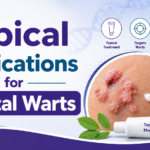
- Imiquimod (Aldara, Zyclara): A topical cream that stimulates the immune system to fight HPV. Applied several times per week. Not safe during pregnancy.
- Podofilox (Condylox): A topical solution or gel applied to warts. Patients apply it themselves following clinician instruction.
- Sinecatechins (Veregen): A green tea extract ointment approved for external genital and perianal warts. Generally well tolerated.
Critical safety note: Over-the-counter wart treatments sold for common skin warts (such as salicylic acid products) are NOT safe for use on genital skin. Genital skin is far more sensitive than the skin on hands or feet. Using OTC wart removers in the genital area can cause chemical burns, significant pain, and tissue damage. Always see a clinician for diagnosis and treatment of any wart in the genital area.
What to expect:
- Warts may require several treatment sessions before they resolve.
- Even after successful treatment, warts can return because the virus may still be present.
- Treatment does not guarantee that you can no longer transmit HPV to partners, though reducing visible warts is generally considered beneficial.
Do Genital Warts Go Away on Their Own?
Sometimes, yes. The immune system can clear HPV infection and cause warts to resolve without treatment. However, warts can also persist for months or years, and in some cases they may grow larger or spread to nearby skin if left untreated.
What the evidence shows:
- Some studies suggest that a proportion of untreated genital warts resolve spontaneously within one to two years, particularly in people with healthy immune systems.
- Others persist or recur even after treatment.
- There is no reliable way to predict whether a specific person’s warts will clear on their own or continue to grow.
How long do genital warts take to go away?
With treatment, visible warts often resolve within a few weeks to a few months, depending on the treatment used and the extent of the warts. Without treatment, resolution can take anywhere from several months to several years — and some warts do not go away without intervention. Because warts can spread and because a clinical diagnosis is needed to rule out other conditions, waiting without seeking care is generally not recommended.
Even after warts resolve — with or without treatment — the underlying HPV virus may remain in the body. Most people’s immune systems eventually suppress or clear the virus over time, but how long this takes varies, and it is not currently possible to test whether the virus has been fully cleared.
Can Genital Warts Cause Cancer?
No. Genital warts caused by HPV types 6 and 11 do not cause cancer. This is one of the most important facts to understand about this condition, and it is the single biggest source of unnecessary fear.
HPV is a large family of viruses. The types that cause cancer — primarily types 16 and 18 — are classified as high-risk. The types that cause genital warts — primarily types 6 and 11 — are classified as low-risk. These are biologically distinct categories. A person can be infected with both low-risk and high-risk HPV types at the same time, but the warts themselves are not a sign of cancer or pre-cancer.
What this means for you:
- If you have genital warts, you do not have a cancer diagnosis.
- You should still follow routine cancer screening recommendations (Pap smears, HPV co-testing for people with a cervix) because those tests screen for high-risk HPV types, which are separate from the types causing your warts.
- Having low-risk HPV does not protect you from also acquiring high-risk HPV, so prevention measures still matter.
Are there any long-term complications from genital warts?
For most people, genital warts do not cause serious long-term complications. The primary concerns are:
- Recurrence: Warts frequently return after treatment, requiring additional management.
- Psychological impact: Diagnosis can cause significant anxiety, shame, and effects on relationships and sexual confidence. These are real and valid concerns that deserve attention, including counseling if needed.
- Transmission to partners: Without precautions, the virus can be passed to sexual partners.
- Rare complications in pregnancy: In rare cases, HPV 6 and 11 can be transmitted from a mother to a newborn during delivery, potentially causing recurrent respiratory papillomatosis (RRP), a condition where warts grow in the child’s airway. This is uncommon, and obstetric providers can discuss management options during pregnancy.
- Extensive warts in immunocompromised individuals: People with weakened immune systems may develop larger, more numerous, or more treatment-resistant warts.
How to Prevent Genital Warts
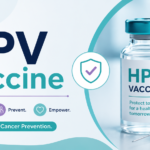
The most effective prevention strategy is HPV vaccination. The Gardasil 9 vaccine protects against HPV types 6 and 11 (which cause genital warts) as well as high-risk types 16, 18, 31, 33, 45, 52, and 58. When given before exposure to HPV, it is highly effective at preventing genital warts.
Vaccination recommendations (per CDC, as of 2026):
- Routine vaccination is recommended for preteens at age 11 or 12, but can be given starting at age 9.
- Catch-up vaccination is recommended for all people through age 26 who were not adequately vaccinated.
- For adults aged 27 to 45, vaccination may be considered after a discussion with a clinician about individual risk and likely prior exposure.
- The vaccine works best before sexual activity begins, but it can still provide benefit to sexually active people who have not yet been exposed to all HPV types covered by the vaccine.
Additional prevention measures:
- Consistent condom use: Reduces but does not eliminate HPV transmission risk. Still worthwhile as part of an overall prevention approach.
- Limiting number of sexual partners: Reduces exposure opportunities, though HPV is common enough that this is not a guarantee.
- Open communication with partners: Discussing STI testing and vaccination status with partners before sexual activity.
- Regular sexual health check-ups: Allows for early detection and treatment, reducing the risk of unknowingly spreading the virus.
- Pap smears and HPV testing (for people with a cervix): These tests screen for high-risk HPV and cervical changes — they do not directly prevent warts, but they are part of comprehensive sexual health care.
Frequently Asked Questions
What are genital warts?
Genital warts are soft, flesh-colored growths on the genitals, anus, or surrounding skin caused by low-risk HPV types 6 and 11. They are one of the most common sexually transmitted infections and are not cancerous.
What causes genital warts?
Genital warts are caused by human papillomavirus, specifically low-risk types 6 and 11. The virus spreads through skin-to-skin sexual contact, including vaginal, anal, and oral sex.
What do genital warts look like?
They typically appear as small, soft bumps that are flesh-colored, pink, or grey. They may be flat or raised, smooth or rough, and can cluster together to form a cauliflower-like shape. They are usually painless but may cause mild itching.
Are genital warts dangerous or can they cause cancer?
Genital warts are not cancerous and do not cause cancer. They are caused by low-risk HPV types 6 and 11, which are biologically separate from the high-risk types (16 and 18) associated with cervical and other cancers. For most people, genital warts are a manageable, non-life-threatening condition.
How are genital warts treated?
Treatment options include clinician-applied therapies (cryotherapy, trichloroacetic acid, surgical removal) and prescription home treatments (imiquimod, podofilox, sinecatechins). Over-the-counter wart removers are not safe for genital skin. Treatment removes visible warts but may not clear the underlying virus, so recurrence is common.
Do genital warts go away on their own?
Sometimes. The immune system can clear the virus and cause warts to resolve without treatment, but this can take months to years — and some warts persist or grow without treatment. Seeking clinical evaluation is recommended rather than waiting, both for accurate diagnosis and to discuss treatment options.
Can you have genital warts without knowing it?
Yes. Many people with HPV types 6 and 11 never develop visible warts, or the warts appear in locations that are hard to see. It is also possible to transmit the virus to a partner without ever having visible symptoms.
Is there a test for genital warts in men?
There is no routine HPV screening test for men equivalent to the Pap smear. In men, genital warts are typically diagnosed by visual examination by a clinician. A biopsy may occasionally be performed if the diagnosis is uncertain.
Can the HPV vaccine treat existing genital warts?
No. The HPV vaccine prevents future infection with the HPV types it covers but does not treat existing infections or warts. If you already have genital warts, the vaccine will not make them go away — but it may protect against HPV types you have not yet been exposed to.
How soon after exposure do genital warts appear?
The incubation period is typically a few weeks to several months, but it can be longer. Because of this variability, it is often impossible to determine exactly when or from whom the infection was acquired.
Are genital warts the same as herpes?
No. Genital warts are caused by HPV and appear as painless, raised or flat growths. Genital herpes is caused by herpes simplex virus (HSV) and typically presents as painful blisters that break open into sores. They are different viruses, different conditions, and require different treatments.
Can genital warts come back after treatment?
Yes, recurrence is common. Treatment removes visible warts but does not necessarily eliminate the HPV virus from the body. Warts may return, particularly in the first several months after treatment. Follow-up with a clinician is important.
Conclusion
Finding a wart on your genitals is understandably alarming, but the most important thing to know is this: genital warts caused by HPV types 6 and 11 are not cancer, are not a sign of cancer, and do not increase your risk of developing cancer. They are a common, manageable condition that millions of people deal with.
Actionable next steps:
- See a clinician. If you notice any new bump, growth, or skin change in the genital area, schedule an appointment with a primary care provider, gynecologist, urologist, or sexual health clinic. Do not attempt to self-diagnose or self-treat.
- Get an accurate diagnosis. Many conditions look like genital warts. Only a clinician can confirm what you have and recommend appropriate treatment.
- Discuss treatment options. If you are diagnosed with genital warts, ask your provider about the full range of treatment options and what recurrence rates to expect.
- Talk to your partner(s). Informing sexual partners allows them to seek evaluation and make informed decisions about their own health.
- Check your vaccination status. If you have not received the HPV vaccine and are within the recommended age range, ask your provider whether it is appropriate for you.
- Keep up with routine screening. People with a cervix should continue regular Pap smears and HPV testing as recommended, regardless of a genital warts diagnosis.
- Address the emotional side. A genital warts diagnosis can feel isolating and stigmatizing. Speaking with a counselor or a sexual health specialist can help you process the diagnosis and communicate with partners.
Genital warts are treatable, and most people go on to live full, healthy sexual lives after diagnosis. Getting the right information — and the right care — is the first step.
References
- World Health Organization (WHO). Human papillomavirus (HPV) and cervical cancer. WHO Fact Sheet. 2023. https://www.who.int/news-room/fact-sheets/detail/human-papillomavirus-(hpv)-and-cervical-cancer
- Centers for Disease Control and Prevention (CDC). Genital HPV Infection — Basic Fact Sheet. 2022. https://www.cdc.gov/std/hpv/stdfact-hpv.htm
- Centers for Disease Control and Prevention (CDC). HPV Vaccination Recommendations. 2023. https://www.cdc.gov/vaccines/vpd/hpv/public/index.html
- National Health Service (NHS). Genital warts. 2021. https://www.nhs.uk/conditions/genital-warts/
- National Cancer Institute (NCI). HPV and Cancer. 2023. https://www.cancer.gov/about-cancer/causes-prevention/risk/infectious-agents/hpv-and-cancer
- Lacey CJ, Lowndes CM, Shah KV. Burden and management of non-cancerous HPV-related conditions: HPV-6/11 disease. Vaccine. 2006;24 Suppl 3:S3/35-41. PMID: 16950015. DOI: 10.1016/j.vaccine.2006.05.015
- Workowski KA, Bachmann LH, Chan PA, et al. Sexually Transmitted Infections Treatment Guidelines, 2021. MMWR Recomm Rep. 2021;70(4):1-187. PMID: 34292926. DOI: 10.15585/mmwr.rr7004a1
Disclaimer: This content is for informational purposes only and is not a substitute for professional medical advice, diagnosis, or treatment. Always consult a qualified healthcare provider with any questions about your health.
Author: Dr. Laura Bennett, OB/GYN — Board-Certified Gynecologist, Women’s Integrative Health Center (Private Practice) | Sources: WHO, CDC, ACOG, NHS, NCI, peer-reviewed literature | Last updated: June 8, 2026