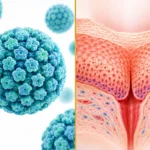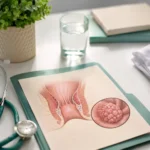
No, you cannot contract HPV from a toilet seat under normal circumstances. The question of whether you can contract HPV from a toilet seat comes up often, and the answer from every major public health authority is the same: HPV spreads through intimate skin-to-skin contact, not through bathroom surfaces.
Key Takeaways
- HPV is transmitted through direct skin-to-skin contact with an infected genital, anal, or oral area, not through toilet seats or other bathroom fixtures.
- The CDC, American Cancer Society, and WHO do not list toilet seats as a route of HPV transmission.
- No documented cases of HPV infection via a toilet seat exist in the medical literature.
- While HPV DNA can occasionally be detected on surfaces, detection does not equal transmission.
- Effective prevention focuses on vaccination and sexual health practices, not avoiding bathroom surfaces.
How HPV Actually Spreads
HPV, human papillomavirus, is passed through intimate skin-to-skin contact. That typically means vaginal, anal, or oral sex with someone who carries the virus. It does not require penetration; contact with infected genital skin is enough.
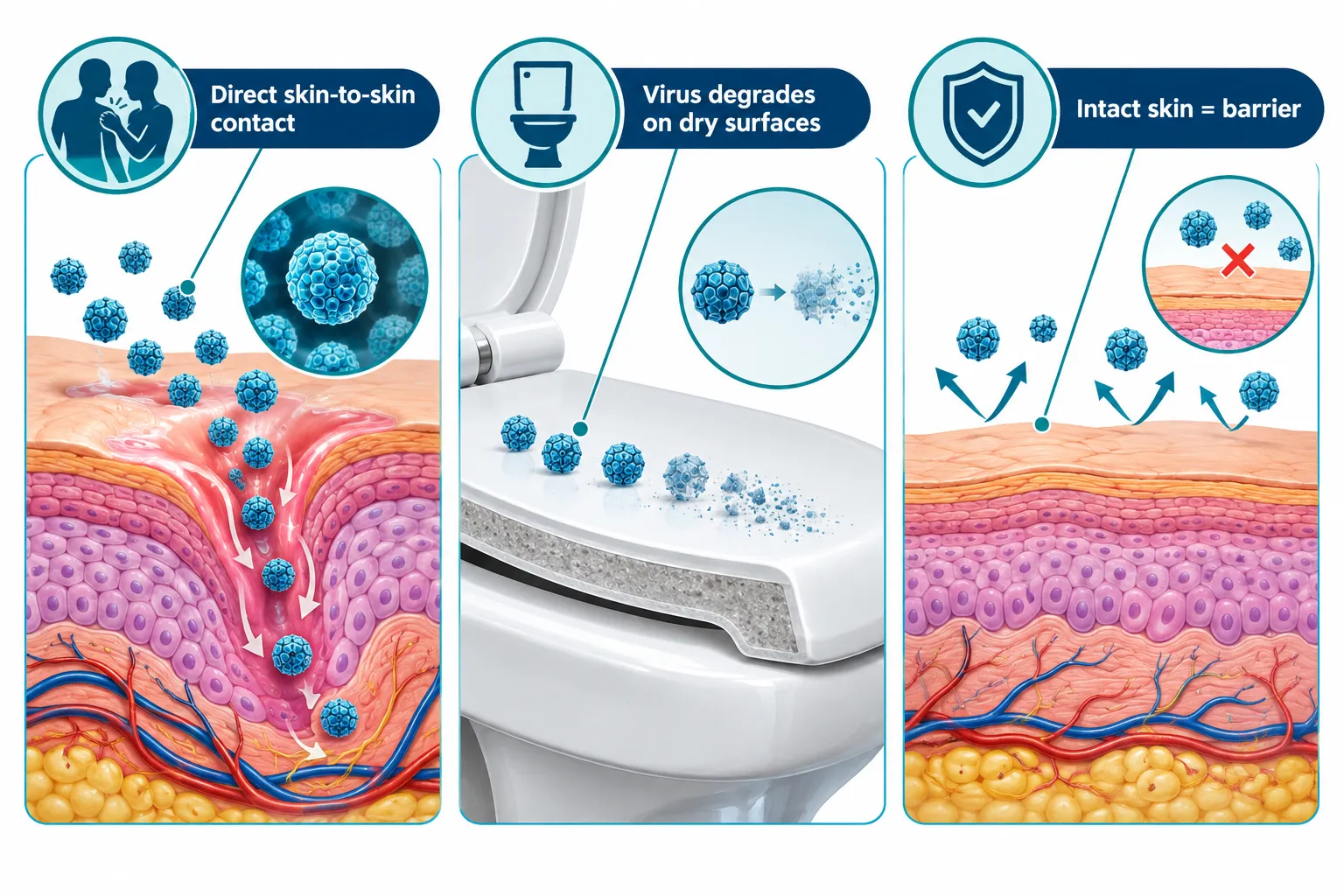
The virus enters through mucous membranes or tiny breaks in the skin. That is why the genitals, anus, mouth, and throat are the sites where HPV takes hold, not the palms of your hands, the backs of your thighs, or any other area that briefly touches a toilet seat.
There are more than 200 known HPV genotypes. The ones relevant to sexual health fall into two broad groups: high-risk types like HPV 16 and 18, which are linked to cervical, anal, and oropharyngeal cancers, and low-risk types like HPV 6 and 11, which cause most cases of genital warts. Both groups spread the same way, through sexual contact. The full breakdown of how HPV spreads covers each route in detail, including the less-discussed ones.
HPV is common. Most sexually active adults will carry at least one genotype at some point in their lives, and most infections clear on their own within one to two years without causing symptoms or lasting harm.
Can You Contract HPV from a Toilet Seat? What the Evidence Shows
The short answer is: not in any documented case, ever.
Decades of epidemiological research on HPV have not produced a single confirmed case of transmission via a toilet seat. The American Cancer Society explicitly lists toilet seats alongside hugging, holding hands, and sharing food as non-routes of HPV transmission. The CDC’s guidance on HPV, updated through 2025 and 2026, makes no mention of toilet seats as a transmission risk, because they are not one.
Here is why the biology works against toilet-seat transmission:
- HPV needs direct contact with susceptible tissue, mucous membrane or broken skin, to establish infection.
- On a dry, hard surface like a toilet seat, the virus degrades relatively quickly and loses viability.
- Even if viral particles were present on a seat, the brief, clothed, or skin-surface contact of sitting down does not provide the sustained mucous-membrane exposure the virus needs.
- Infection also typically requires a sufficient viral load reaching the right tissue type, not trace amounts on porcelain.
Some laboratory studies have detected HPV DNA on surfaces, including in clinical settings. Detection of viral DNA is not the same as viable, transmissible virus. Finding traces of genetic material does not mean the virus is capable of causing infection at that point.
A theoretical edge case exists: if someone had open wounds or severe skin damage in the area of contact, and if a heavily contaminated surface was involved, a minimal theoretical risk could be constructed. But public health agencies do not treat this as a realistic concern, and it has never been documented in practice.
Who Is at Higher Risk for HPV Infection?
HPV risk is tied to sexual exposure and immune status, not bathroom habits. The groups most likely to acquire or have difficulty clearing an HPV infection include:
- Unvaccinated people, regardless of age or gender, who have not received the full HPV vaccine series.
- Immunocompromised individuals, including people living with HIV and organ transplant recipients, whose immune systems are less able to suppress or clear the virus naturally.
- People with a history of abnormal Pap results, which may indicate a persistent high-risk HPV infection that the immune system has not cleared.
- Smokers, whose compromised local immune response in cervical tissue makes it harder to clear high-risk HPV genotypes.
None of these risk factors involve toilet use. They all relate to immune function and sexual-health history.
Why This Myth Persists
The toilet-seat concern is not unique to HPV. It surfaces around herpes, chlamydia, and other sexually transmitted infections too. Part of the reason is that people are sometimes diagnosed with an STI and genuinely cannot identify a sexual contact, which makes environmental transmission feel like a plausible explanation.
For HPV specifically, the timing question is real. HPV can remain dormant for months or years before triggering symptoms or showing up on a test. A new diagnosis does not mean a recent exposure. The virus may have been present for a long time before it became detectable. The question of whether HPV can lie dormant explains this in more detail.
The persistence of the toilet-seat myth also reflects a broader discomfort with the sexual transmission route. Attributing an infection to a toilet seat feels less stigmatizing than acknowledging sexual contact. That is understandable, but it is not medically accurate, and it can lead people to focus on the wrong prevention strategies.
What Actually Prevents HPV Transmission
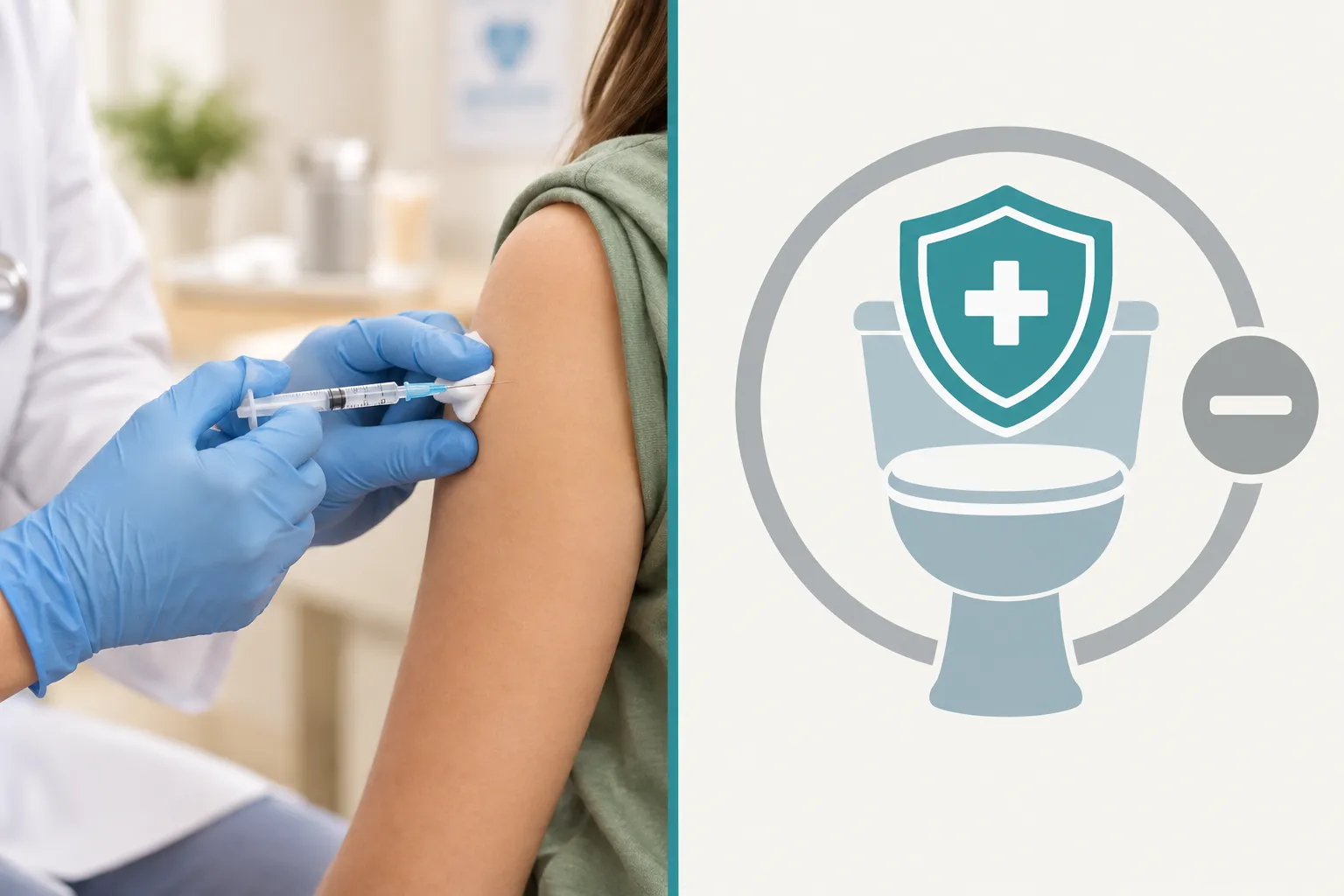
Prevention focuses on three evidence-based measures:
Vaccination is the most effective tool available. The HPV vaccine is recommended starting around ages 11 to 12, though it can be given through age 26 for most people and up to age 45 in some cases after a conversation with a clinician. It protects against the high-risk genotypes most associated with cancer and the low-risk types responsible for genital warts. The HPV vaccine guide for men covers who benefits and when.
Consistent condom use reduces transmission risk, though it does not eliminate it entirely, HPV can be present on skin not covered by a condom.
Regular screening, Pap smears and HPV co-testing for people with a cervix, catches cell changes before they progress. If you have received an abnormal result, the next steps after an abnormal Pap smear explains what follow-up looks like and what the different result categories mean.
Avoiding toilet seats is not on this list. It never has been.
Frequently Asked Questions
Can HPV survive on surfaces long enough to be infectious?
HPV can persist on dry surfaces for a short time, potentially up to several days under certain conditions. However, survival on a surface and the ability to cause infection are different things. For infection to occur, viable virus would need to contact susceptible tissue at sufficient concentration. That combination does not happen through ordinary toilet use.
If HPV can’t spread via toilet seats, how do people get it without knowing?
HPV often causes no symptoms. Someone can carry and transmit the virus without ever knowing they have it. The virus can also remain dormant for months or years, meaning a diagnosis today may reflect an exposure from well in the past. This is why the timing of an HPV diagnosis rarely points to a specific contact or event.
Does HPV spread through other non-sexual routes?
The primary route is sexual contact. Rarely, HPV can be transmitted from a parent to a newborn during delivery, which can cause a condition called recurrent respiratory papillomatosis in the child. Transmission through kissing is possible for oral HPV types, though far less common than genital transmission, the evidence on HPV transmission through kissing covers what is and is not documented.
Should I be concerned about HPV transmission in public restrooms?
No. Public health agencies, including the CDC and the American Cancer Society, do not identify public restrooms as a meaningful source of HPV exposure. The primary restroom-related hygiene concern is hand-to-mouth transfer of fecal or respiratory pathogens, not sexually transmitted viruses like HPV.
Can HPV spread between partners who are both already infected?
Yes, partners can pass HPV back and forth, and each can carry different genotypes. Having HPV does not make you immune to other types. This is one reason vaccination is recommended even for sexually active adults who may already have been exposed, the vaccine can still protect against types not yet encountered. The guide on having sex with HPV covers what to discuss with a partner.
Are genital warts caused by the same HPV types that cause cancer?
No. Genital warts are caused by low-risk HPV types, primarily HPV 6 and 11. These types do not cause cancer. High-risk types like HPV 16 and 18 are responsible for most HPV-related cancers but typically do not cause warts. The overview of genital warts explains what they look like, how they are treated, and what having them does and does not mean for your long-term health.