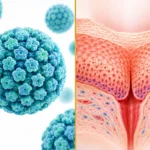
Yes, you can get the HPV vaccine even if you already have HPV. Having an active infection, a history of genital warts, or an abnormal Pap result does not disqualify you from vaccination. The vaccine won’t clear an infection you already have, but it can protect you against HPV types you haven’t yet been exposed to.
That distinction matters. Most people who test positive have only one or two HPV genotypes. Gardasil 9, the vaccine used in the U.S. as of 2026, covers nine types, including the two highest-risk strains (types 16 and 18, responsible for the majority of HPV-related cancers) and the two types (6 and 11) that cause most genital warts. The odds that you’ve already been exposed to all nine are low.
Key Takeaways
- Having HPV, including an active infection or abnormal Pap result, is not a reason to skip or delay the HPV vaccine.
- The vaccine is preventive, not therapeutic: it protects against types you haven’t yet acquired, but does not treat or clear existing infections.
- Routine vaccination is recommended through age 26 regardless of HPV status; adults ages 27-45 may still benefit through shared clinical decision-making with their doctor.
- Gardasil 9 covers nine HPV types; most people with HPV have only been exposed to one or two, so residual protection is real.
- Vaccination is most effective before any HPV exposure, but it still offers meaningful protection afterward.
What the Vaccine Actually Does, and Doesn’t Do
The HPV vaccine works by training your immune system to recognize and block specific HPV types before they establish an infection. It does this through virus-like particles, engineered proteins that mimic the outer shell of the virus without containing any live viral material.
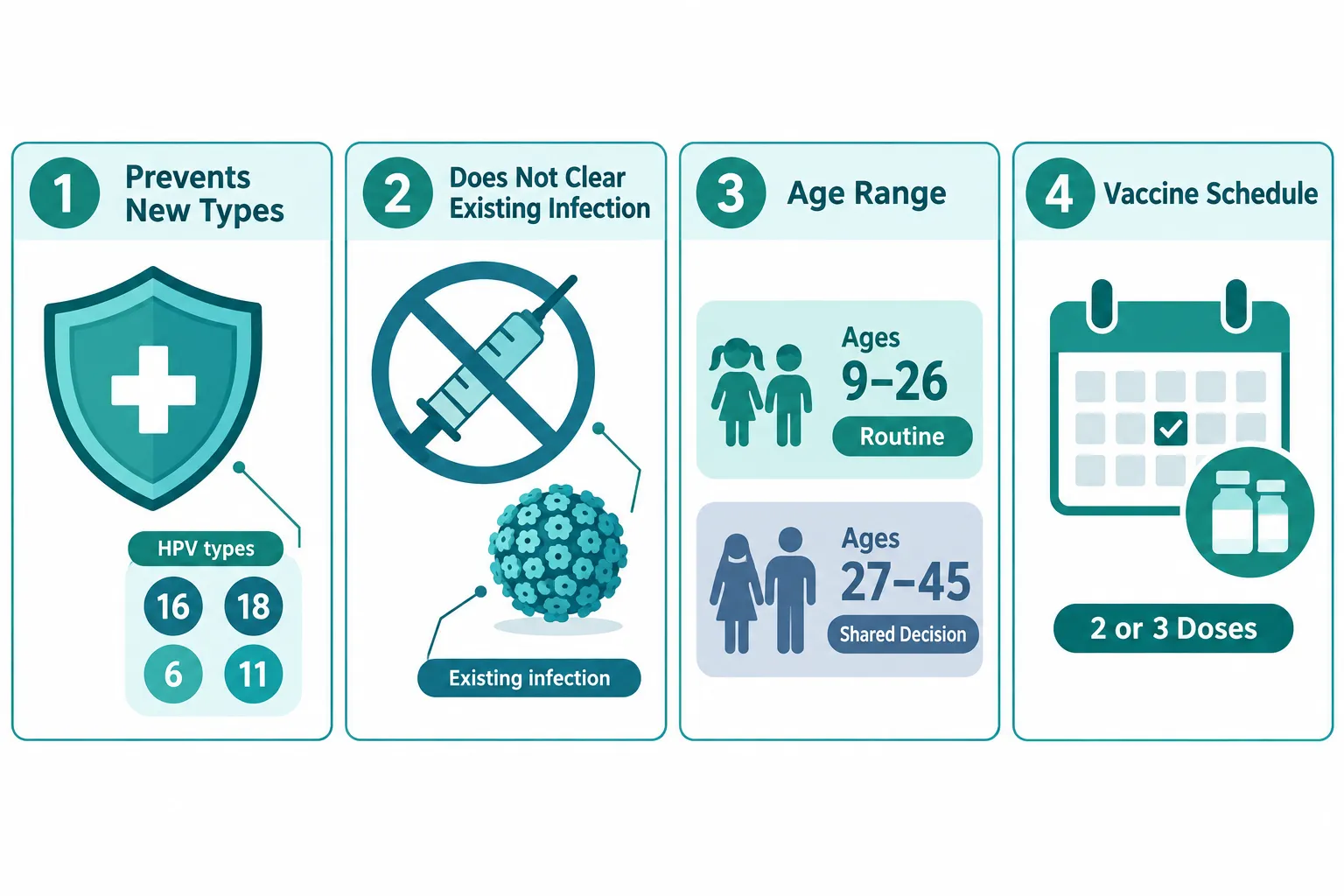
Here’s what that means practically. If you already carry HPV type 16, the vaccine cannot eliminate it. There is no evidence that the vaccine has any therapeutic effect on an existing infection or on cell changes already caused by HPV. The CDC is direct on this point: HPV vaccination prevents new infections but does not treat existing ones or the conditions they cause.
What it can do is add a layer of protection against the other types in Gardasil 9 that you haven’t encountered yet. The CDC and the National Cancer Institute both confirm that people with a current or prior HPV infection, including those with abnormal Pap results or a history of anogenital warts, should still receive the vaccine if they fall within the recommended age group. An existing infection is not a contraindication.
For a fuller picture of how the different HPV types are classified and what each one does, the HPV types explained guide covers the full spectrum from low-risk to high-risk strains.
Who Should Get the HPV Vaccine if They Have HPV?
Age drives the recommendation more than HPV status does. Here’s how current U.S. guidance breaks down:
| Age Group | Recommendation | HPV Status Matters? |
|---|---|---|
| 9-12 years | Routine vaccination (2-dose series) | No, vaccinate regardless |
| 13-26 years | Catch-up vaccination (2 or 3 doses) | No, vaccinate regardless of HPV status or history |
| 27-45 years | Shared clinical decision-making | Discuss risk of new exposure with your doctor |
| 46 and older | Not routinely recommended | Vaccine not licensed for this age group |
For anyone through age 26, the CDC’s Advisory Committee on Immunization Practices (ACIP) recommends catch-up vaccination regardless of HPV test results, Pap findings, or history of warts. You don’t need to be tested for HPV before getting vaccinated, and a positive result doesn’t change the recommendation.
For adults ages 27-45, routine vaccination is not recommended, but it’s not ruled out either. Gardasil 9 is licensed through age 45, and ACIP allows for shared clinical decision-making in this group. That means a conversation with your doctor about your individual risk: how likely you are to encounter new HPV types, whether you’re immunocompromised, and how many doses you’ve already received.
The HPV vaccine overview covers the full schedule, dosing intervals, and safety profile in more detail.
Who’s at Higher Risk and May Benefit Most from Vaccination Despite Having HPV?
Some groups have a stronger case for vaccination even after an HPV diagnosis:
- Immunocompromised people, including those living with HIV or who have had an organ transplant, clear HPV less efficiently and face higher rates of progression to dysplasia. Vaccination still provides protection against unacquired types, and this group should discuss the vaccine with their specialist.
- People with a history of abnormal Pap results, an LSIL or HSIL result means one or more high-risk types are present, but not necessarily all nine types covered by Gardasil 9. The vaccine can still protect against the ones not yet acquired.
- Unvaccinated adults under 27, anyone who hasn’t completed a vaccine series and is sexually active has likely been exposed to one or two HPV types at most, leaving meaningful protection on the table.
- People with genital warts, warts are caused by low-risk types 6 or 11. Having them doesn’t mean you’ve been exposed to the high-risk types (16, 18, 31, 33, 45, 52, 58) that Gardasil 9 also covers.
Can You Get the HPV Vaccination if You Have HPV and Abnormal Pap Results?
Yes. An abnormal Pap, whether it shows ASC-US, LSIL, or HSIL, does not disqualify you from vaccination. The CDC’s STI Treatment Guidelines state explicitly that HPV vaccines can be given regardless of a history of anogenital warts, abnormal Pap results, or a positive HPV test.
The vaccine won’t reverse cell changes that are already present. If you’ve had an abnormal result, the priority is appropriate follow-up: colposcopy if indicated, repeat Pap or co-testing on schedule, and monitoring for progression. The abnormal Pap smear guide walks through what those next steps look like.
Vaccination sits alongside that monitoring, it doesn’t replace it. The practical benefit is protection against the high-risk types you haven’t yet acquired, which reduces the chance of a new infection compounding an existing one.
Does the HPV Vaccine Work Less Well if You Already Have HPV?
For the specific types you already carry, the vaccine offers no benefit, the evidence is consistent on this. Clinical trials showed no therapeutic effect on existing infections or lesions caused by HPV types present at enrollment.
For types you haven’t been exposed to, the vaccine appears to work just as well. Immune response to Gardasil 9 doesn’t appear to be meaningfully diminished by having an existing HPV infection with a different genotype.
The honest framing: the vaccine’s effectiveness in someone who already has HPV depends entirely on which types they have. Someone with type 16 still benefits from protection against types 18, 31, 33, 45, 52, 58, 6, and 11. Someone who has had genital warts from type 6 still benefits from protection against all the high-risk types.
Men with HPV face the same logic, the HPV vaccine for men with HPV article covers how the recommendation applies specifically to male patients, including those who have already been diagnosed.
What to Expect When You Get Vaccinated with an Existing HPV Infection
The process is the same as for anyone else. No HPV test is required before vaccination. No screening result needs to be cleared first. You don’t need to wait for an infection to resolve.
Gardasil 9 is given as a series: two doses for people who start before age 15, three doses for those who start at 15 or older or who are immunocompromised. Doses are spaced over six months. Side effects are typically mild, soreness at the injection site, brief fatigue, or low-grade fever.
The HPV vaccine is not recommended during pregnancy. If you’re pregnant, vaccination should be deferred until after delivery. Breastfeeding is not a contraindication.
If you’re unsure whether you’ve already received one or more doses, a healthcare provider can review your vaccination records and advise on whether you need to complete or restart the series.
For context on how HPV testing works and what your results actually mean, the HPV testing guide explains how different tests, including the Aptima and co-testing approaches, are interpreted.
Frequently Asked Questions
Will getting the HPV vaccine clear my current infection?
No. The HPV vaccine has no therapeutic effect on infections already present in your body. It won’t speed up clearance of an existing type, reverse abnormal cell changes, or treat genital warts. Those outcomes depend on your immune system, monitoring, and, where applicable, treatment of lesions. The vaccine’s role is strictly preventive: it protects against types you haven’t yet acquired.
Do I need to tell my doctor I have HPV before getting vaccinated?
You don’t need to disclose it as a prerequisite to vaccination, but it’s worth mentioning so your provider can give you complete guidance, including any screening or follow-up that’s appropriate for your situation. HPV status doesn’t change whether you can receive the vaccine, but it may inform the broader conversation about your care.
If I’ve already had genital warts, does the vaccine still help?
Yes. Genital warts are caused by HPV types 6 and 11. Gardasil 9 also covers seven high-risk types, 16, 18, 31, 33, 45, 52, and 58, that cause the majority of HPV-related cancers. Having warts doesn’t mean you’ve been exposed to any of those high-risk types. The genital warts overview covers what warts are, how they’re treated, and what they do and don’t indicate about cancer risk.
Can HPV come back after vaccination?
The vaccine doesn’t affect HPV you already have, so an existing infection isn’t something the vaccine would cause to return. For types you’ve cleared naturally, there’s some evidence that reactivation can occur, particularly if immunity declines. The HPV dormancy guide explains how latent HPV behaves and what’s known about reactivation.
I’m 38 and just diagnosed with HPV. Should I get the vaccine?
Possibly, this is exactly the shared clinical decision-making scenario for ages 27-45. The vaccine is licensed through age 45. Whether it makes sense for you depends on your likelihood of exposure to new HPV types, your immune status, and your vaccination history. A frank conversation with your doctor will give you a more useful answer than a general recommendation can. The benefit is real but smaller at this age than it would have been earlier.
Does having HPV affect how many vaccine doses I need?
No. The number of doses is based on age at first dose and immune status, not on HPV test results. Two doses are given when the series starts before age 15 in immunocompetent people; three doses are required when starting at 15 or older, or for anyone who is immunocompromised, regardless of HPV status.
What to Do Next
If you have HPV and haven’t been vaccinated, or haven’t completed the series, the practical step is straightforward: talk to your doctor or a pharmacist about where you are in the recommended age range and what dosing schedule applies to you.
If you’re under 27, the recommendation is clear and doesn’t require deliberation. If you’re between 27 and 45, the conversation is worth having, your provider can weigh your individual risk of new HPV exposure against the vaccine’s likely benefit at your age.
Vaccination doesn’t replace screening. If you have a current HPV infection, abnormal Pap results, or a history of dysplasia, those require their own follow-up on their own schedule. The vaccine adds a layer of forward-looking protection; it doesn’t change what needs to happen for the infection or cell changes already present.
Cell changes are easiest to manage before they progress, that’s what regular screening is for, and it continues regardless of vaccination status.