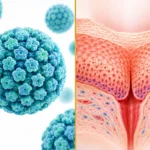
Having HPV doesn’t mean you have cancer, or that you will get it. Most HPV infections, including many caused by high-risk types, clear on their own within one to two years. That’s not reassurance for its own sake; it’s the actual number the CDC reports, with roughly 9 out of 10 infections resolving within about two years.
The more precise question isn’t just “does HPV go away?”, it’s whether the virus is truly eliminated or whether it becomes dormant in tissue. That distinction matters, and it shapes how doctors approach follow-up testing.
Key Takeaways
- About 9 in 10 HPV infections clear within approximately two years without treatment.
- “Clearing” may mean suppression rather than permanent elimination, re-detection is possible.
- High-risk types like HPV-16 and HPV-18 persist longer than low-risk types on average.
- No antiviral medication clears HPV; the immune system does the work.
- Persistent high-risk HPV, not a single positive result, is what drives cancer risk.
Does HPV Go Away on Its Own?
For most people, yes. The immune system identifies and suppresses HPV without any medical intervention. Typical detection time runs around 9 to 12 months for most genital HPV types, though HPV-16, the type most strongly linked to cervical and oropharyngeal cancers, tends to persist longer than other strains.
Low-risk types like HPV-6 and HPV-11, which cause genital warts, generally clear within 12 to 24 months in people with healthy immune function. High-risk types follow a similar pattern in most cases, but a meaningful minority of infections don’t resolve, and it’s that persistent subset that carries elevated cancer risk.
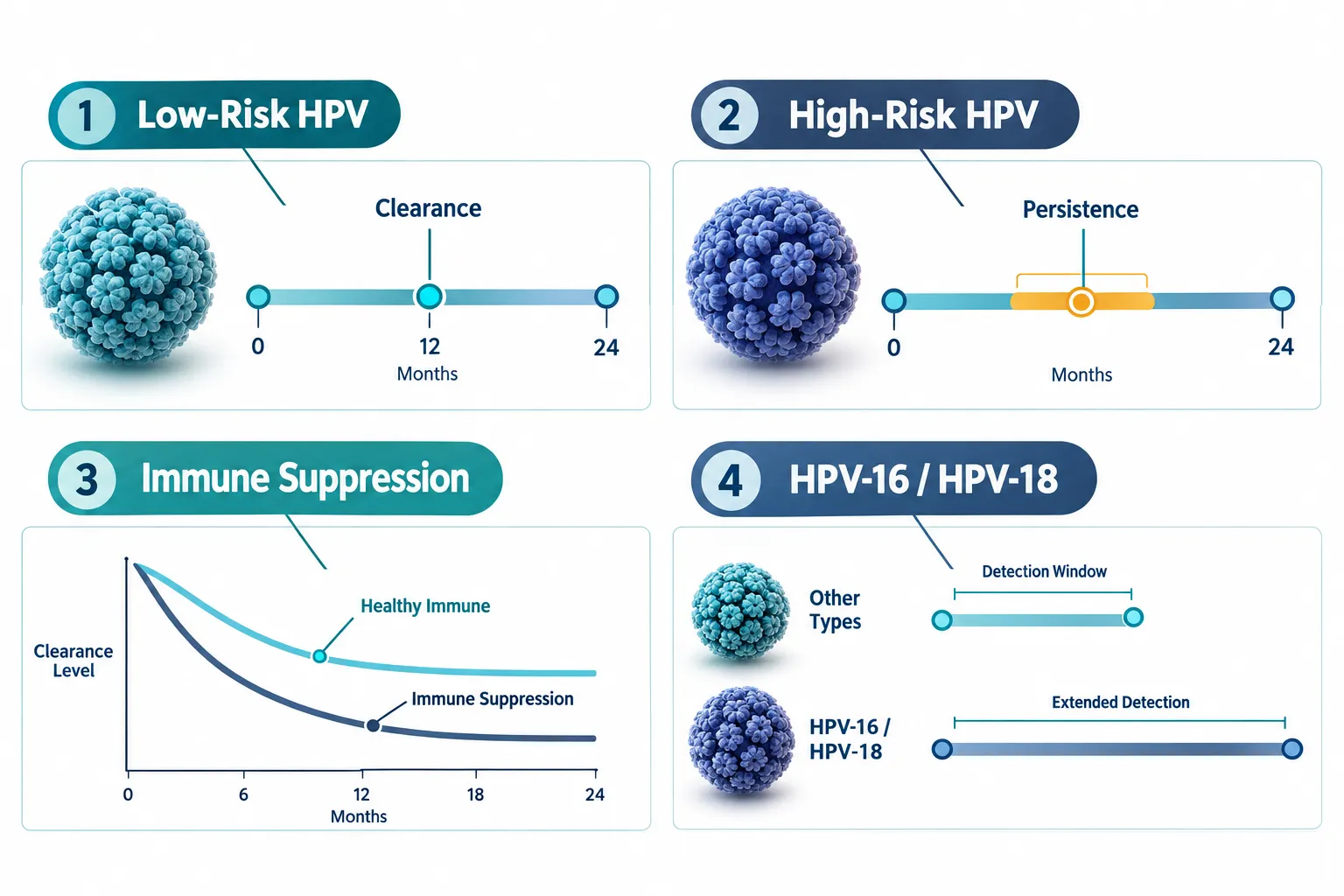
There’s also an important nuance in what “going away” actually means. Growing evidence suggests that some HPV infections are suppressed to undetectable levels rather than fully eliminated. The virus may remain latent in basal epithelial cells and become detectable again if immune function drops, due to illness, immunosuppressive medication, or other factors. This is why a new positive result years after a previous clear test doesn’t always mean a new exposure. The question of whether HPV can be dormant explains this mechanism in more detail.
How Long Does HPV Take to Clear?
The timeline varies by HPV type, anatomical site, and immune status.
| HPV Category | Typical Detection Window |
|---|---|
| Low-risk genital (HPV-6, 11) | 12-24 months |
| High-risk genital (most types) | 9-18 months |
| HPV-16 (high-risk) | Often longer; may persist 2+ years |
| Oral/anal HPV | Generally clears more slowly than genital |
Genital HPV tends to clear faster than oral or anal HPV. Anal HPV is common in people who engage in receptive anal sex, and most infections still resolve on their own, but the clearance window is typically longer than for cervical or penile HPV.
Age also matters. Younger people with low-risk HPV tend to clear infections faster. For people over 30, a persistent positive result carries more clinical weight, not because clearance becomes impossible, but because the immune system’s response to HPV slows with age. The article on clearing HPV after 30 covers what that means for screening decisions.
Does HPV Go Away in Men?
Most HPV infections in men also resolve without treatment. Men are frequently asymptomatic carriers, meaning the virus is present but causes no visible symptoms and produces no standard screening pathway the way cervical Pap smears do for women.
This creates a practical gap: most men are never tested for HPV, so the infection clears, or persists, without detection. The guide to HPV testing in men explains what testing options actually exist and when they’re used.
For men who develop genital warts (caused by HPV-6 or HPV-11), the warts themselves are treatable even if the underlying virus takes longer to clear. Clearance rates in males are broadly similar to those in females, though some research suggests slightly longer persistence in certain anatomical sites.
Who’s at Higher Risk for HPV Persistence?
Most people clear HPV without issue. These groups are more likely to experience persistent infection:
- Immunocompromised individuals, people living with HIV, organ transplant recipients on immunosuppressive drugs, or those on long-term corticosteroid therapy have significantly reduced ability to suppress HPV.
- Smokers, smoking is associated with impaired local immune response in cervical tissue, which increases the likelihood that high-risk HPV will persist rather than clear.
- People with a history of abnormal Pap results, prior LSIL or HSIL findings indicate the immune system hasn’t fully controlled the infection, making continued monitoring essential.
- Unvaccinated people, those who haven’t received the HPV vaccine remain susceptible to new high-risk type infections, which can compound persistence risk over time.
What Happens If HPV Doesn’t Clear?
Persistent high-risk HPV, particularly HPV-16 and HPV-18, is the key driver of cervical dysplasia and, over many years, cervical cancer. The word “persistent” is doing real work here. A single positive HPV test is not a cancer diagnosis. It’s a signal to monitor.
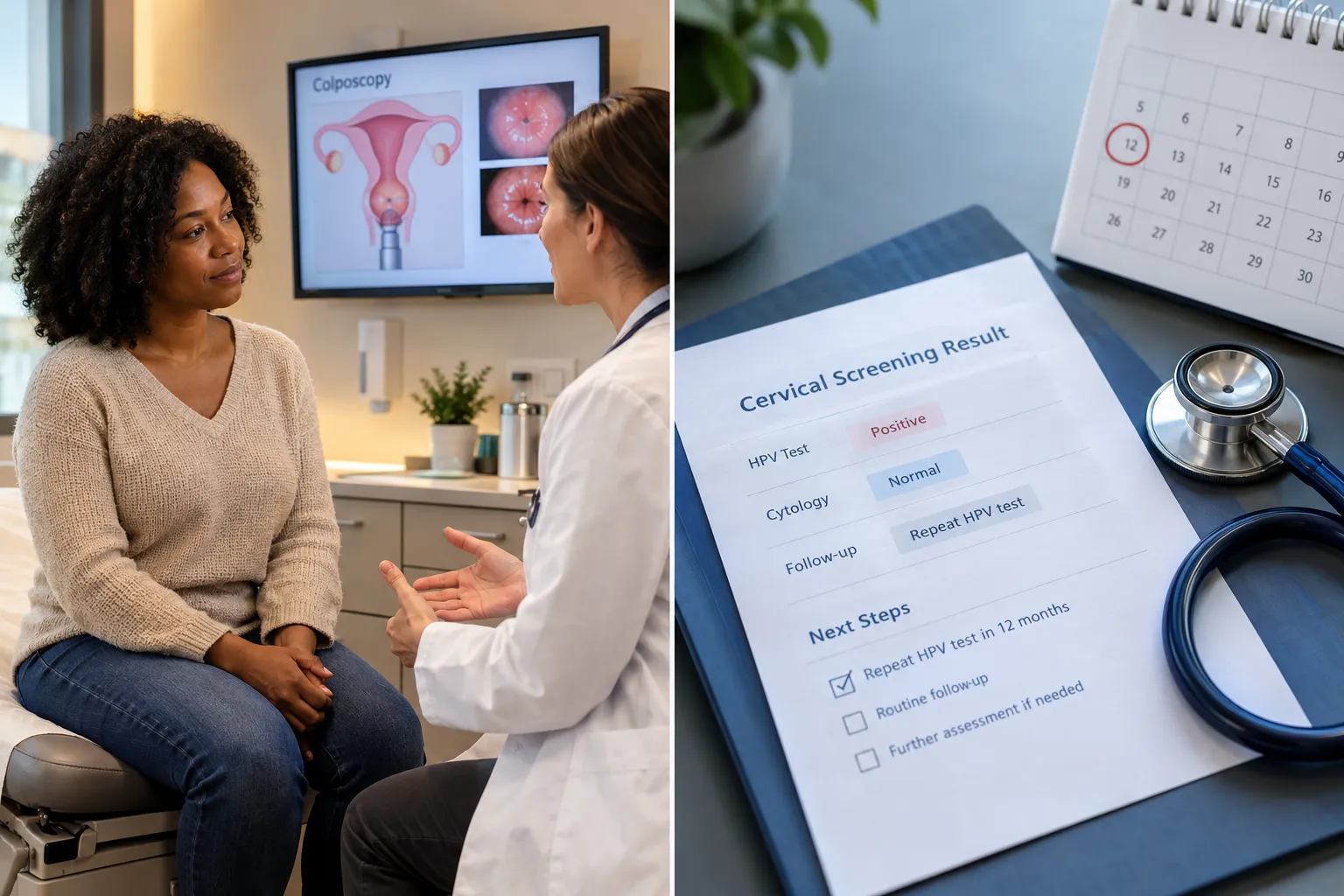
Cell changes are easiest to treat before they progress, that’s what cervical screening is for. An abnormal Pap smear triggers a defined follow-up pathway: repeat testing, possible colposcopy, and biopsy if warranted. Most people who go through that process never develop cancer.
The connection between HPV and cancer is real but conditional, it requires persistent high-risk infection, usually over a period of years, without adequate screening or treatment of precancerous changes. That’s the actual risk profile, stated plainly.
For people with genital warts specifically, the warts are caused by low-risk HPV types that don’t cause cancer. Treating the warts doesn’t eliminate the virus, but the warts themselves are manageable. The overview of genital warts treatment options covers what to expect from each approach.
Can Anything Help HPV Clear Faster?
No antiviral medication has been approved to clear HPV. The immune system handles it, or doesn’t, on its own timeline.
There’s active research interest in whether certain supplements might support immune clearance. AHCC, a mushroom extract, has been studied in small trials for its potential effect on HPV persistence, though the evidence remains preliminary. The current research on AHCC and HPV gives an honest read of what the studies show and where the gaps are.
What does have a clear evidence base: not smoking, maintaining a healthy immune system, and staying current with cervical screening. The HPV vaccine prevents infection with the types it covers, HPV-16, 18, 6, 11, and several others, but it doesn’t clear an infection you already have.
Frequently Asked Questions
Can HPV come back after it clears?
A positive result after a previously clear test doesn’t always mean reinfection. HPV can remain latent in tissue at levels too low to detect, then become detectable again if immune function changes. It can also represent a genuinely new exposure. The timing of HPV infection is often impossible to determine from a test result alone.
Does a positive HPV test mean my partner cheated?
No. HPV can remain dormant for years without any symptoms or detectable viral load. A new positive result could reflect an infection acquired months or years earlier, from any prior sexual contact. The biology of HPV latency makes it impossible to assign timing or source from a test result.
If HPV goes away, do I still need follow-up testing?
Yes. A single negative follow-up result is reassuring, but it doesn’t rule out latent virus. Screening guidelines, particularly for people over 30, recommend co-testing (Pap plus HPV test) or repeat HPV testing at defined intervals precisely because of the possibility of re-emergence. Your doctor will advise the right interval based on your history.
Does the HPV vaccine help if I already have HPV?
The vaccine doesn’t clear an existing infection or treat current cell changes. It does protect against HPV types you haven’t yet been exposed to, which is still meaningful, most people aren’t infected with all vaccine-covered types simultaneously. Vaccination after a diagnosis is still worth discussing with your doctor.
Is HPV the same as having an STI that never goes away?
Not exactly. Most HPV infections do resolve, unlike herpes or HIV which remain in the body indefinitely. The distinction is that “resolved” for HPV may mean suppressed rather than eliminated, but for most people, this has no practical health consequence. Persistent high-risk HPV in a subset of people is what warrants ongoing monitoring.
The Actual Next Step
If you’ve just received a positive HPV result, the most useful thing you can do is understand what type was detected and what your Pap result shows, or doesn’t. A positive HPV test with a normal Pap is a common combination, and the follow-up for that is typically a repeat test in one to three years, not immediate treatment.
If your result includes an abnormal Pap finding, ASC-US, LSIL, or HSIL, the follow-up is more active. That might mean a repeat test sooner, a colposcopy, or both. Those steps exist because catching cell changes early makes them straightforward to treat.
Ask your provider specifically: which HPV type was detected, what the Pap result shows, and what the recommended follow-up interval is. Those three answers give you a clear picture of where you actually stand.