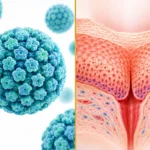
HPV does not reliably prevent pregnancy. Most people with HPV, including those with high-risk strains, can and do conceive. That said, the relationship between HPV and fertility is more complicated than a simple yes or no, and if you’re trying to get pregnant while HPV-positive, there are real factors worth understanding.
Key Takeaways
- HPV infection does not cause infertility in most people, but high-risk strains are associated with a roughly doubled odds of having difficulty conceiving.
- The virus may interfere with implantation and increase miscarriage risk in some cases, but these are associations, not guarantees.
- HPV in male partners, specifically HPV DNA present in sperm, can also affect pregnancy outcomes, not just HPV in women.
- The HPV vaccine does not impair fertility; large safety reviews find no link between vaccination and reduced pregnancy potential.
- The HPV vaccine is not recommended during pregnancy because of limited trial data, not because of known harm.
Does HPV Affect Fertility?
HPV is found in roughly 40% of pregnant women, which already tells you something important: having HPV and becoming pregnant are not mutually exclusive. The virus is common. Pregnancy with HPV is common.
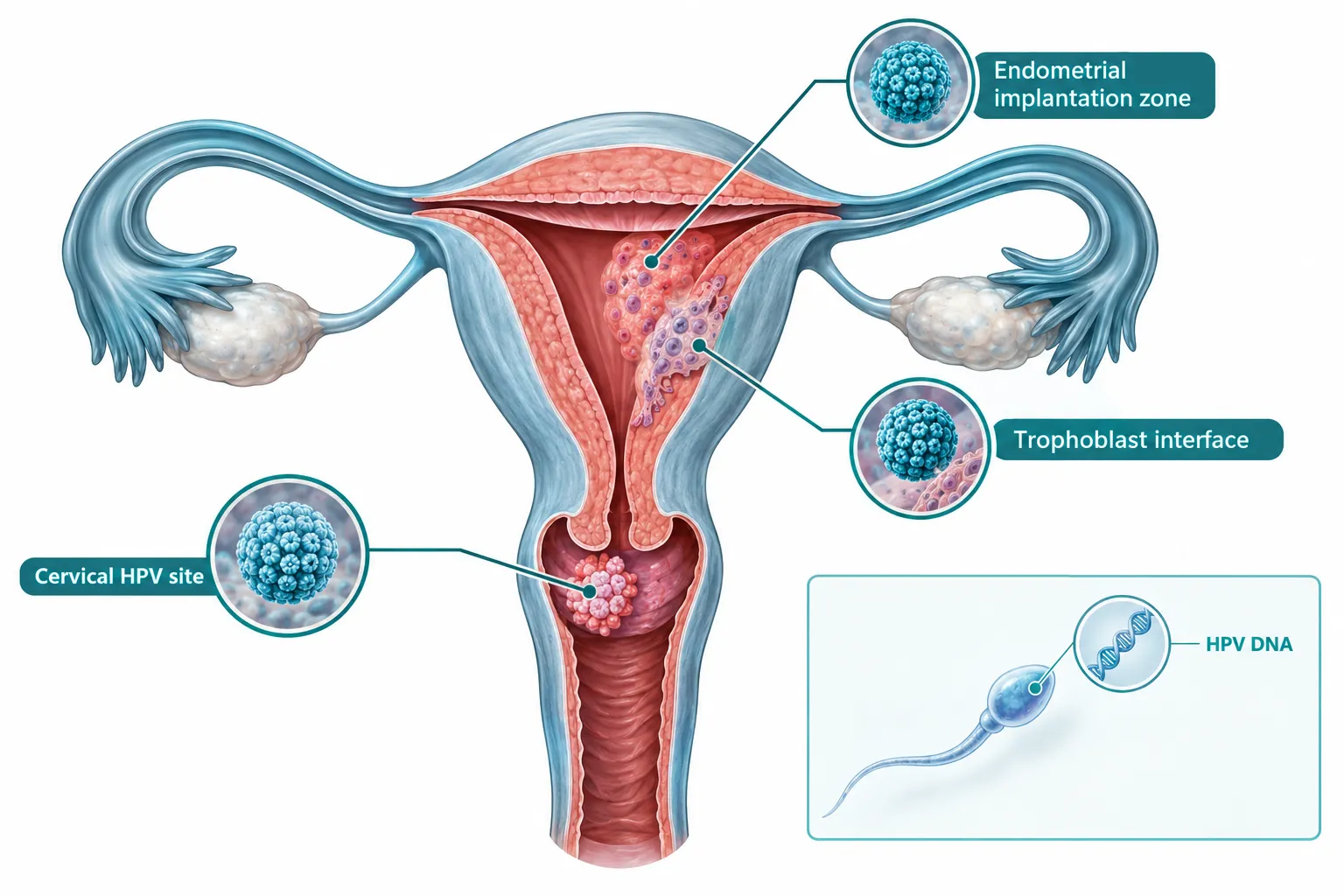
Where things get more nuanced is in the data on conception difficulty. A systematic review and meta-analysis of studies on female infertility found that high-risk HPV infection was significantly associated with infertility, with a pooled odds ratio around 2.3. That means women with high-risk HPV had roughly twice the odds of experiencing difficulty conceiving compared to HPV-negative women.
Twice the odds sounds alarming. It isn’t a death sentence for your fertility plans. An odds ratio of 2.3 means HPV is a contributing risk factor, not a reliable contraceptive. Many HPV-positive women conceive without difficulty.
The proposed mechanisms involve how the virus may interfere with trophoblastic growth, the cells that anchor a fertilized egg to the uterine wall, and create a low-grade inflammatory environment in the endometrium that makes implantation less stable. These are biological plausibilities supported by research, not certainties that apply to every HPV-positive person.
Can HPV Prevent Pregnancy Through Miscarriage or Implantation Failure?
This is where the research gets more specific. High-risk HPV has been linked to higher rates of spontaneous abortion, preterm premature rupture of membranes (PPROM), and preterm birth. These are not universal outcomes, they are elevated risks in population-level data.
HPV’s potential role in pregnancy loss appears to involve two pathways. First, if the virus interferes with how embryonic cells implant into the endometrium, a fertilized egg may fail to establish a stable pregnancy. Second, the inflammatory response triggered by persistent HPV infection may make it harder for the uterine environment to support early fetal development.
It’s also worth knowing that HPV in male partners matters here. When HPV DNA is present in sperm, studies have linked this to poorer outcomes in assisted reproduction and higher rates of pregnancy loss. So the question of whether HPV can affect pregnancy isn’t limited to the person with a cervix, it applies to either partner.
For a fuller picture of how HPV affects women across reproductive health, the HPV in Women guide covering symptoms, screening, and pregnancy covers this in more depth.
Who’s at Higher Risk for HPV-Related Fertility Complications?
Not everyone with HPV faces the same reproductive risks. These groups warrant closer monitoring:
- People with high-risk HPV strains (particularly types 16 and 18), these are the genotypes most consistently associated with implantation disruption and adverse pregnancy outcomes.
- Immunocompromised individuals, those living with HIV or on immunosuppressive therapy are less likely to clear HPV naturally, meaning persistent infection is more probable and its effects more prolonged.
- Couples where both partners test HPV-positive, concurrent infection, especially with HPV DNA in sperm, has been associated with worse outcomes in fertility treatment.
- People with a history of abnormal Pap results or cervical treatment, procedures like LEEP or cone biopsy, used to treat cervical dysplasia caused by HPV, can occasionally affect cervical function in subsequent pregnancies.
What About HPV and IVF or IUI?
If you’re already using assisted reproductive technology, the picture shifts slightly. A meta-analysis of IVF outcomes found no statistically significant difference in live birth rates or ongoing pregnancy rates between HPV-positive and HPV-negative women. The relative risk was 1.16, but the confidence interval crossed 1.0, meaning the difference wasn’t conclusive.
A more recent study specifically looking at intrauterine insemination (IUI) in women with unexplained infertility found that cervical HPV infection did not significantly influence IUI pregnancy outcomes. HPV-positive women in that setting were not significantly less likely to conceive through IUI than HPV-negative women.
The honest read of this data: HPV may make natural conception harder in some cases, but it does not appear to reliably block pregnancy through assisted reproduction either. If you’re navigating infertility and HPV simultaneously, that’s worth discussing with a reproductive endocrinologist, not something to interpret as a closed door.
Understanding how HPV types differ between low-risk and high-risk strains can help you have a more specific conversation with your doctor about which genotype you have and what that means for your situation.
Does the HPV Vaccine Affect Fertility?
No. This is one of the most thoroughly reviewed safety questions around the HPV vaccine, and the answer from large population-based studies is consistent: HPV vaccination does not reduce fertility.
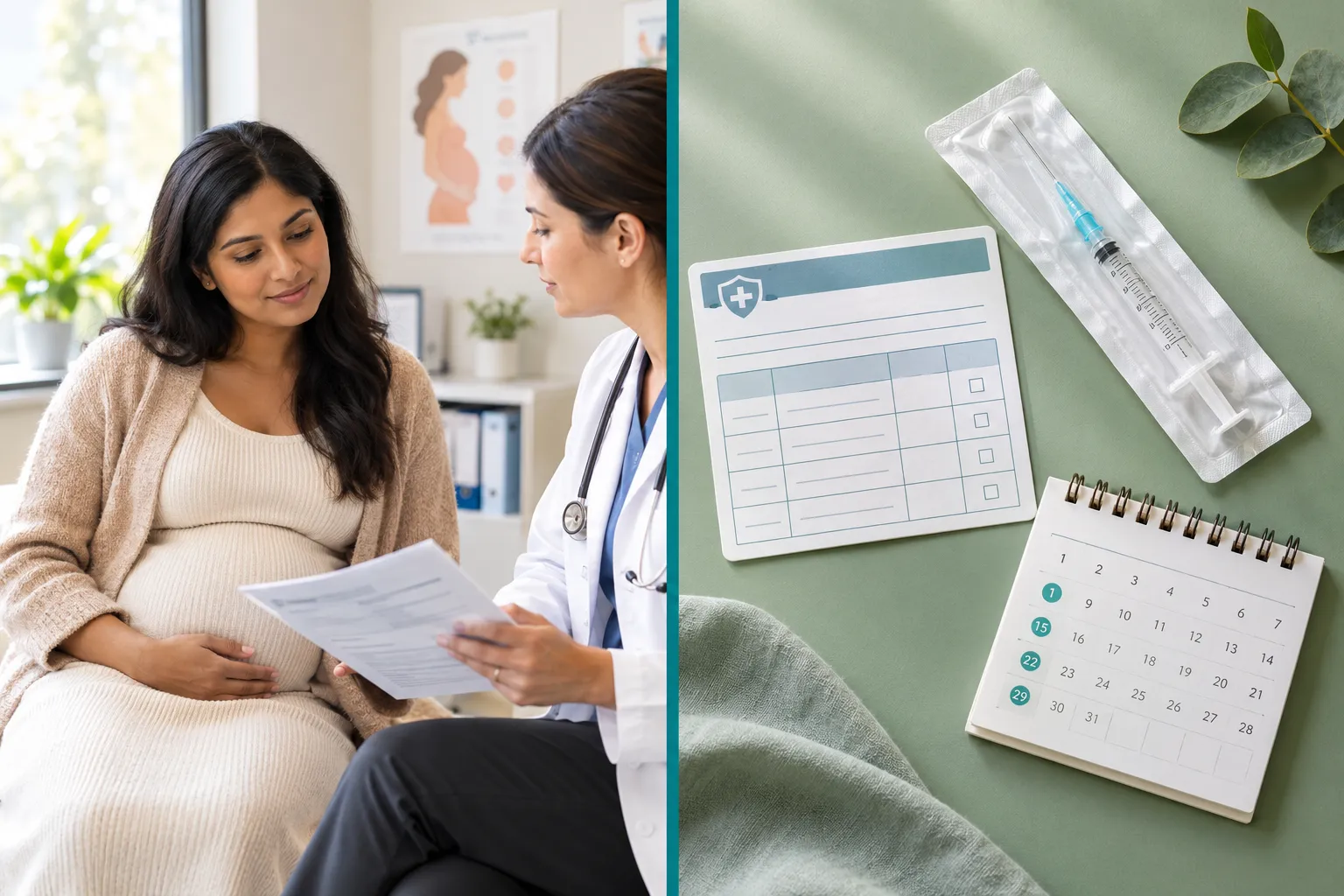
The World Health Organization’s Global Advisory Committee on Vaccine Safety reviewed available data and found no causal relationship between HPV vaccination and infertility or primary ovarian insufficiency. A U.S. population-based analysis found no evidence of increased infertility among vaccinated women compared to unvaccinated women.
The HPV vaccine is not recommended during pregnancy, but the reason is limited trial data, not evidence of harm. If you were vaccinated before realizing you were pregnant, no special intervention is needed. Remaining doses are simply deferred until after delivery.
A 2026 comprehensive review of HPV vaccination in reproductive health confirmed that inadvertent vaccination shortly before or during pregnancy was not associated with increased rates of spontaneous abortion, major birth defects, or preterm birth. A systematic review of 11 studies found no increased risk of miscarriage following HPV vaccination.
For more on vaccine safety and timing, the HPV vaccine guide covering how it works and who should get it addresses these questions directly.
What to Do If You Have HPV and Want to Get Pregnant
HPV-positive status does not mean you should postpone trying to conceive or that pregnancy is off the table. Here’s what the evidence actually supports doing:
- Get your HPV genotype confirmed if you haven’t already. High-risk types (16, 18, and others) carry different implications than low-risk types.
- If you have any abnormal Pap or cervical dysplasia results, address those before or alongside fertility planning, cell changes are easiest to treat before they progress, and that’s what screening is for. The abnormal Pap smear guide explaining what to expect walks through what different results mean.
- Ask your partner about HPV testing. Male HPV testing is not routine, but if you’re experiencing unexplained infertility, it’s a reasonable conversation to have with a specialist. The HPV in men guide covering symptoms, risks, and testing explains what’s currently available.
- If you’re considering supplements like AHCC during pregnancy, review the evidence carefully, whether AHCC is safe during pregnancy is a separate question with its own considerations.
- Work with an OB-GYN or reproductive specialist who knows your HPV status. Closer monitoring during early pregnancy is reasonable for people with high-risk HPV, particularly given the associations with PPROM and preterm birth.
Frequently Asked Questions
Can HPV cause a miscarriage?
High-risk HPV has been associated with higher miscarriage rates in some studies, likely related to how the virus may interfere with implantation and early placental development. This is a statistical association across populations, not a guaranteed outcome for any individual. Many HPV-positive pregnancies proceed without complication.
Does HPV go away before pregnancy?
HPV often clears on its own, most infections resolve within one to two years as the immune system suppresses the virus. Whether it clears before you conceive depends on your immune response and how long you’ve had the infection. There’s no treatment that eliminates HPV itself; HPV treatment options focus on managing symptoms and abnormal cell changes rather than eradicating the virus.
Can a man’s HPV affect his partner’s pregnancy?
Yes, this is an underappreciated factor. When HPV DNA is found in sperm, research links this to poorer outcomes in assisted reproduction and higher rates of pregnancy loss. If you’re experiencing unexplained infertility or recurrent miscarriage, HPV status in both partners is worth discussing with a fertility specialist.
Is it safe to get pregnant after HPV treatment for cervical dysplasia?
Generally yes, but it depends on the type of treatment. Procedures like LEEP (loop electrosurgical excision procedure) remove abnormal cervical tissue and can occasionally affect cervical length, which is a factor in preterm birth risk. Your doctor will monitor cervical length during pregnancy if you’ve had prior cervical treatment. This is a conversation to have before conception if possible.
Does having HPV mean I should delay trying to conceive?
Not necessarily. HPV status alone is not a reason to delay conception for most people. If you have untreated high-grade cervical dysplasia, addressing that first makes sense, not because HPV prevents pregnancy, but because treatment is more straightforward when you’re not pregnant. Talk to your doctor about your specific HPV type and cervical health before making that call.
Moving Forward
HPV does not reliably prevent pregnancy, and for most people it won’t. The elevated risks, around implantation, early pregnancy loss, and preterm birth, are real enough to warrant monitoring, not real enough to be treated as a barrier to trying. Know your HPV genotype. Keep up with cervical screening. If fertility is proving difficult, make sure your care team has the full picture, including HPV status in both partners. That’s the most useful thing the evidence supports right now.