HPV does not reliably cause infertility, but the relationship between the virus and fertility is more complicated than a simple yes or no. Research published through 2026 suggests that high-risk HPV types may modestly raise the odds of having difficulty conceiving, though the evidence stops short of proving direct causation. If you’ve been diagnosed with HPV and are worried about your ability to get pregnant, here’s what the science actually shows.
Key Takeaways
- High-risk HPV infection has been associated with roughly doubled odds of infertility in some research, but this is an association, not a confirmed cause-and-effect relationship.
- HPV can be detected in the endometrium and upper reproductive tract, which may interfere with implantation, but this mechanism is still being studied.
- For women already undergoing IVF or other assisted reproduction, most data show little to no impact of HPV on live-birth rates.
- Cervical treatments for HPV-related cell changes (such as LEEP or cone biopsy) carry a small, real risk to future pregnancies, your doctor can walk you through what that means for your specific situation.
- Vaccination before exposure remains the most effective way to prevent the cervical and reproductive complications linked to high-risk HPV types.
What the Research Actually Says About HPV and Female Fertility
The question of whether HPV can cause infertility in women has moved from theoretical to actively studied over the past decade. A 2025 meta-analysis pooling data from multiple cohort studies found that women with high-risk HPV infection had approximately twice the odds of experiencing infertility compared to uninfected women. That finding sounds alarming, but context matters.
An association in epidemiological data doesn’t confirm that HPV is directly causing the fertility problem. Women with persistent HPV infections may also have more frequent cervical treatments, more sexually transmitted co-infections, or other variables that independently affect fertility. A 2026 umbrella review of the existing literature described the evidence as “suggestive” rather than definitive, meaning the signal is real enough to take seriously, but not strong enough to say HPV is a direct cause of infertility in the way that, say, blocked fallopian tubes are.
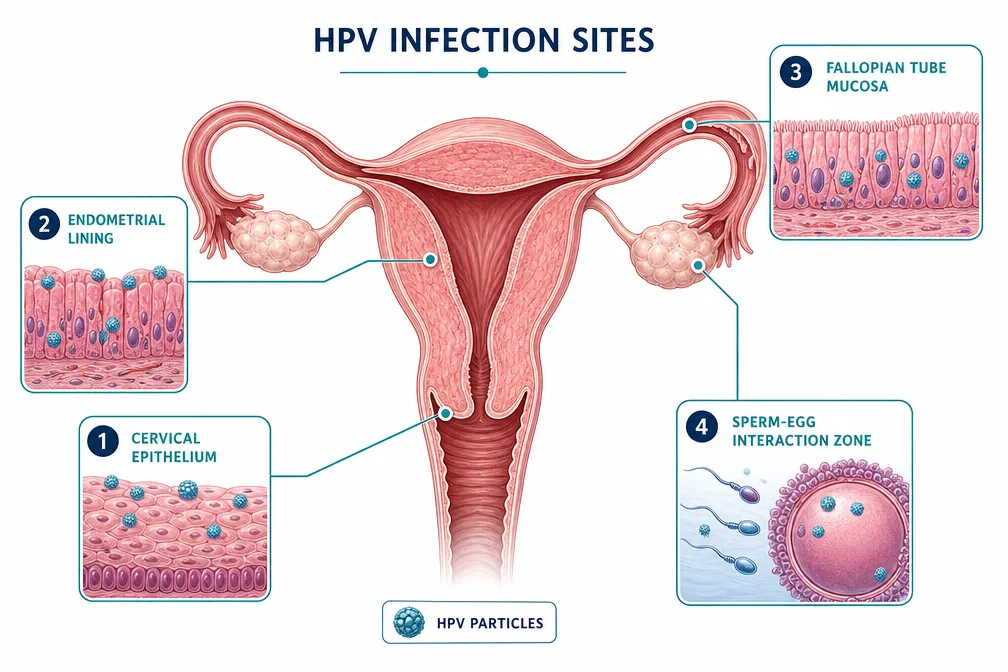
What researchers have identified is that HPV isn’t confined to the cervix. The virus has been detected in endometrial tissue and in the lining of the fallopian tubes. If HPV disrupts the endometrial environment, it could theoretically interfere with embryo implantation, but that mechanism hasn’t been confirmed in clinical trials. A 2025 narrative review framed it this way: the path from infection to infertility, if it exists, likely involves chronic low-grade inflammation and immune activation in the upper reproductive tract rather than a single direct mechanism.
The cohort data also shows that the association is strongest in women between ages 26 and 35, the age range when many people are actively trying to conceive, which makes this a clinically relevant finding even if causation isn’t settled.
Does HPV Affect IVF or Assisted Reproduction Outcomes?
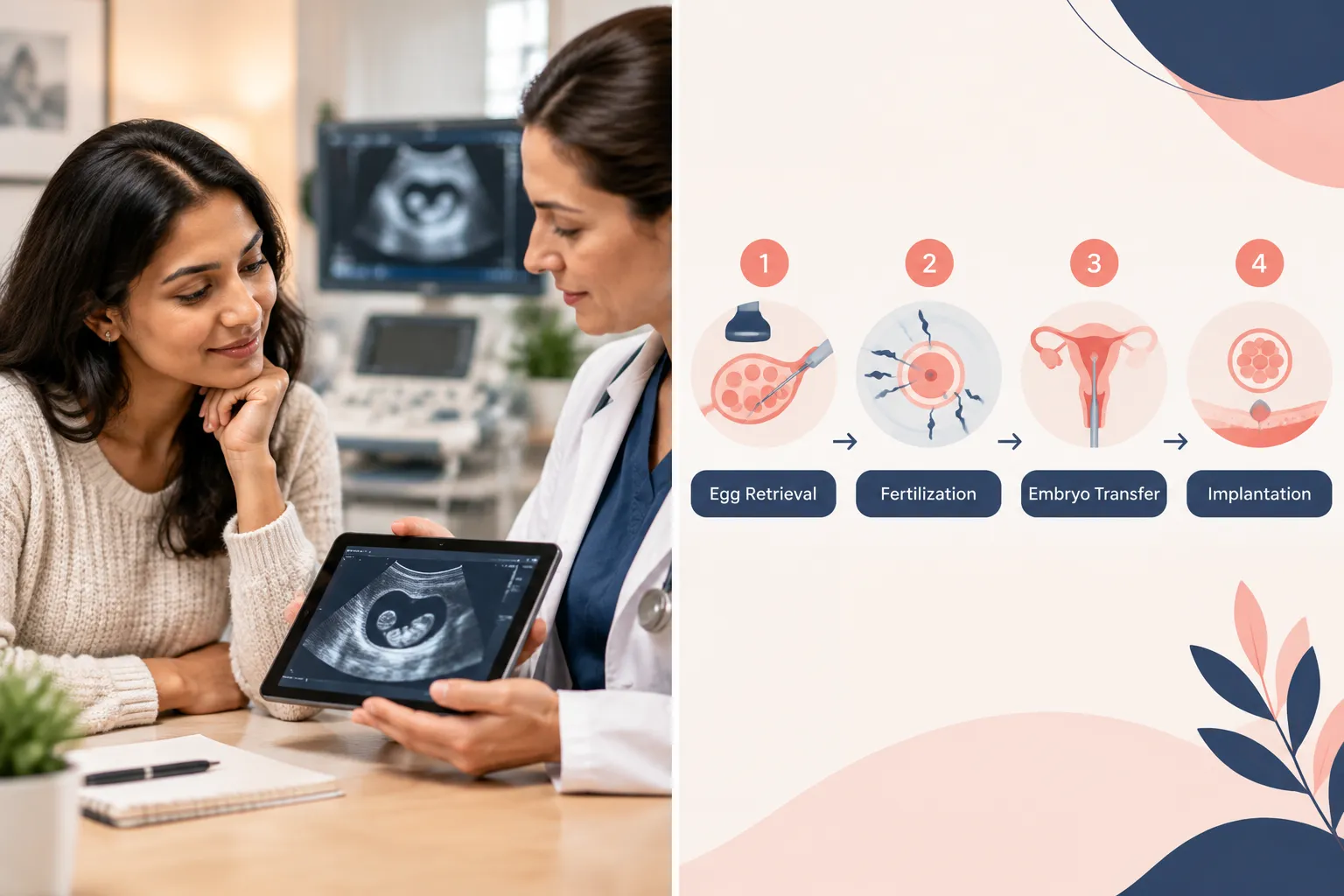
If you’re already pursuing IVF or other assisted reproductive technology (ART), this is probably the more pressing question. The evidence here is somewhat reassuring, though not entirely clean.
Most studies looking at women with HPV who undergo IVF have found little to no difference in live-birth rates compared to HPV-negative women. A 2025 cross-sectional study of ART outcomes found no statistically significant difference in overall outcomes, though the researchers noted limited follow-up time as a constraint.
That said, some earlier studies have reported slightly lower implantation rates and a modestly higher miscarriage rate in HPV-positive women undergoing ART. These findings haven’t been consistent across studies, and the differences, where they appear, tend to be small. The current picture is that female HPV status is unlikely to be the deciding factor in whether IVF succeeds, but it’s worth discussing with your reproductive endocrinologist so they have the full picture.
What does matter more clearly is whether you’ve had cervical procedures to treat HPV-related dysplasia. Treatments like LEEP (loop electrosurgical excision procedure) or cone biopsy remove abnormal cervical tissue effectively, but removing cervical tissue can affect cervical length. A shortened cervix carries a real, documented risk of preterm birth in future pregnancies. This isn’t a reason to avoid necessary treatment, untreated high-grade dysplasia carries its own serious risks, but it is a reason to have a frank conversation with your gynecologist about timing and technique before any procedure if you’re planning to conceive. The overview of HPV in women covering symptoms, screening, and pregnancy considerations has more detail on how cervical treatments are approached in reproductive-age patients.
How HPV Might Affect the Reproductive Tract
Understanding the potential mechanism helps put the fertility question in context. HPV is primarily known as a cervical pathogen, that’s where it causes the cell changes picked up on Pap smears and where high-risk types like HPV 16 and 18 drive most cervical cancer risk. But the virus doesn’t always stay at the cervix.
Studies have found HPV DNA in endometrial biopsies and in fallopian tube tissue. When the virus is present in the endometrium, it may trigger a localized immune response, essentially, the body treating the uterine lining as a site of infection. That immune activation could, in theory, make the endometrium less receptive to a fertilized egg. Think of it as the uterine environment being on alert rather than in the calm, receptive state needed for implantation.
There’s also evidence that HPV can affect sperm that passes through an infected cervix, though this is more relevant to male fertility research. For women, the endometrial and fallopian tube findings are the more biologically plausible pathway to fertility effects.
None of this means that having HPV makes conception impossible. Most people with HPV, including high-risk types, clear the infection within one to two years without any intervention, and without lasting effects on their reproductive health. The concern applies primarily to persistent infections, particularly with high-risk genotypes. The guide to HPV symptoms in women and why most people have none explains why so many infections go undetected for years.
Who Is at Higher Risk for HPV-Related Fertility Complications?
Not everyone with HPV faces the same level of fertility-related concern. These groups warrant closer monitoring:
- Women with persistent high-risk HPV (especially types 16 and 18) who have not cleared the infection after 12-24 months
- Immunocompromised women, including those living with HIV or on immunosuppressive therapy after organ transplantation, who are less likely to clear HPV naturally
- Women who have undergone multiple or extensive cervical procedures (LEEP, cone biopsy) for recurrent dysplasia
- Women in the 26-35 age range with active high-risk HPV infection who are planning to conceive in the near term
What HPV-Related Cervical Changes Mean for Future Pregnancies
An abnormal Pap result, whether it comes back as ASC-US, LSIL, or HSIL, doesn’t mean infertility is on the horizon. Most low-grade changes (LSIL) resolve without treatment, and watchful waiting with repeat testing is the standard approach. High-grade changes (HSIL) typically require treatment, and that’s where the conversation about future fertility becomes relevant.
If you’ve been told you need a colposcopy or biopsy, that procedure itself doesn’t affect fertility. It’s diagnostic. Treatment, if it becomes necessary, is what carries the small cervical-length risk described above. The connection between HPV, genital warts, and cervical cancer covers how high-risk and low-risk HPV types differ in what they cause and how they’re managed.
Cell changes are easiest to treat before they progress, that’s what screening is for. Staying current with Pap smears and HPV co-testing gives you and your doctor the earliest possible window to act, which also means the least invasive treatment options remain available.
What You Can Do Now
If you have HPV and are thinking about fertility, the most useful steps are practical ones:
- Tell your gynecologist or reproductive endocrinologist about your HPV status and any history of cervical treatment. This shapes how they monitor your cervix during pregnancy.
- Stay current with Pap and HPV co-testing. Persistent infection is the scenario that carries the most risk, catching it early keeps your options open.
- If you haven’t been vaccinated and are under 45, ask your doctor whether the HPV vaccine is still appropriate for you. Vaccination after a known infection with one type still provides protection against other high-risk types you haven’t been exposed to.
- If you’re pursuing IVF, HPV status is worth disclosing to your care team, even if the direct impact on outcomes appears modest. More information is always better than less.
Some women ask about supplements like AHCC (active hexose correlated compound) to support immune clearance of HPV. The evidence on AHCC benefits for women is worth reviewing if you’re considering that route, the research is preliminary but ongoing.
The broader category of HPV health topics specific to women covers screening schedules, pregnancy considerations, and what different test results mean, useful context if you’re navigating this alongside a fertility workup.
Frequently Asked Questions
If I have HPV, does that mean I can’t get pregnant?
No. Having HPV does not mean you can’t conceive. Most women with HPV, including those with high-risk types, have no fertility problems at all. The association between HPV and infertility seen in research reflects a statistical trend across large populations, not a predictable outcome for any individual.
Can HPV clear on its own before it affects my fertility?
Yes, and this is the most common outcome. Most HPV infections, including high-risk types, clear within one to two years through normal immune response. Persistent infection, meaning the virus remains detectable after two or more years, is the scenario most associated with both cervical cell changes and the potential fertility effects described in recent research.
Should I delay trying to conceive if I have an active HPV infection?
This depends on your specific situation, particularly whether you have any cervical cell changes that need treatment. If your Pap results are normal and you simply tested positive for HPV, there’s generally no medical reason to delay conception. If you have high-grade dysplasia that requires treatment, it’s worth discussing timing with your gynecologist before proceeding, since treatment affects the cervix and pregnancy planning.
Does the HPV vaccine help protect fertility?
Indirectly, yes. The vaccine prevents infection with the high-risk types most associated with cervical dysplasia and the potential reproductive tract effects described in recent studies. Preventing persistent HPV infection is the most upstream way to avoid the cervical treatments that carry a documented pregnancy risk.
Can HPV affect a pregnancy that’s already underway?
HPV itself doesn’t typically cause miscarriage or pregnancy complications in most people. The main pregnancy-related concern is cervical incompetence in women who have had extensive cervical tissue removed, not the virus itself. Some research has explored whether HPV in the placenta or membranes plays a role in preterm birth, but that evidence is still early and not yet part of clinical guidelines.