Last updated: June 9, 2026
Quick Answer: HPV is very common in women and usually clears on its own with no symptoms. It’s most often found through routine cervical screening rather than by how you feel. Low-risk types can cause genital warts, while persistent high-risk types can lead to cervical changes over years — which is exactly what screening is designed to catch early.
Table of Contents
Key Takeaways
- HPV in women is extremely common; most infections clear without treatment within one to two years.
- The majority of women with HPV never develop symptoms or health complications.
- An HPV-positive result or an abnormal Pap smear is not a cancer diagnosis — it is a signal to monitor more closely.
- High-risk HPV types (mainly HPV 16 and 18) are linked to cervical changes, but those changes take years to progress, and screening is designed to catch them early.
- Low-risk HPV types (mainly HPV 6 and 11) cause genital warts and are not associated with cervical cancer.
- HPV does not typically harm fertility, pregnancy, or a developing baby.
- The HPV vaccine is highly effective at preventing the most dangerous strains and can still offer benefit even after some prior exposure.
- Routine cervical screening (HPV testing and/or Pap smear) is the most reliable way to detect high-risk HPV before it causes serious problems.
- Self-diagnosis based on symptoms alone is not reliable — regular screening with a clinician is essential.
What Exactly Is HPV and How Do Women Get It
HPV, or human papillomavirus, is a group of more than 200 related viruses that infect the skin and mucous membranes. HPV in women is transmitted primarily through skin-to-skin genital contact, including vaginal, anal, and oral sex. Penetrative intercourse is not required for transmission.
HPV is so common that the U.S. Centers for Disease Control and Prevention (CDC) estimates that nearly all sexually active people will have at least one HPV infection at some point in their lives. The virus infects the epithelial cells of the skin and mucous membranes, and in most cases the immune system clears it without the person ever knowing they were infected.
How transmission happens:
- Direct skin-to-skin contact in the genital area is the primary route.
- Condoms reduce (but do not eliminate) transmission risk because the virus can be present on areas not covered by a condom.
- HPV can be passed between partners even when neither has visible symptoms or warts.
- A woman can acquire HPV from a first sexual partner or after many years with the same partner.
Key point: Having HPV does not mean a partner was unfaithful, and it does not mean you have been careless. The virus is simply that widespread.
What Are the Symptoms of HPV in Women
Most women with HPV have no symptoms at all. This is one of the most important facts about HPV in women: the infection is largely silent, which is exactly why routine screening exists.
When symptoms do appear, they depend on the HPV type involved:
High-risk HPV types (e.g., HPV 16, 18, 31, 33, 45):
- Usually produce no visible symptoms.
- May cause cellular changes on the cervix (called cervical intraepithelial neoplasia, or CIN) that are detectable only through a Pap smear or colposcopy.
- Rarely, persistent high-risk infection can eventually lead to cervical cancer — but this process takes years, and screening is designed to interrupt it.
Low-risk HPV types (e.g., HPV 6, 11):
- Can cause genital warts (condylomata acuminata) — soft, flesh-colored growths that may appear on the vulva, vagina, cervix, anus, or surrounding skin.
- Genital warts are not a cancer risk; they are a separate clinical concern from high-risk HPV.
What symptoms do NOT reliably indicate:
- Unusual vaginal discharge, pelvic pain, or itching can have many causes unrelated to HPV.
- You cannot diagnose HPV by symptoms alone. If you have concerns, a clinician can assess you properly.
“A normal-feeling body does not rule out HPV. Screening catches what symptoms cannot.”
How HPV Is Found in Women
HPV in women is most often detected through routine cervical screening, not because a woman feels unwell. This is a critical distinction: most women discover they have HPV from a scheduled test, not from any physical sign.
The two main screening tools:
| Test | What It Detects | Who It’s For |
|---|---|---|
| HPV test (primary HPV test) | Presence of high-risk HPV DNA in cervical cells | Women 25–65 (ages vary by country/guideline) |
| Pap smear (cytology) | Abnormal cell changes on the cervix | Often used alongside HPV test (co-testing) |
| Co-test (HPV + Pap) | Both HPV and cell changes simultaneously | Common in the U.S. for women 30–65 |
What a positive result means:
- A positive HPV test means high-risk HPV DNA was detected in your cervical cells. It does not mean you have cancer.
- An abnormal Pap result (e.g., ASCUS, LSIL, HSIL) means some cells look atypical. It does not mean you have cancer.
- Most abnormal results resolve on their own or require only closer monitoring.
Screening intervals vary by country. In the U.S., the American College of Obstetricians and Gynecologists (ACOG) recommends cervical cancer screening starting at age 21. Always verify current guidance with your healthcare provider, as recommendations are updated periodically.
Common mistake: Skipping screening because you feel fine. Because HPV in women rarely causes symptoms, feeling healthy is not a reliable indicator that your cervical cells are normal.
How Common Is HPV in Women
HPV is one of the most common sexually transmitted infections worldwide. According to the CDC, approximately 79 million Americans are currently infected with HPV, and about 14 million new infections occur each year in the United States alone. Women of all ages, backgrounds, and relationship statuses are affected.
Key prevalence facts:
- HPV prevalence is highest in women in their late teens and early 20s, shortly after becoming sexually active.
- A second peak in prevalence has been observed in women over 40 in some studies, possibly reflecting reactivation of latent infections or new exposures.
- The vast majority of HPV infections — across all age groups — clear on their own without causing lasting harm.
- Having multiple lifetime sexual partners increases cumulative exposure risk, but even women with one lifetime partner can acquire HPV.
Which women are most at risk for HPV:
- Women who became sexually active at a younger age.
- Women with a higher number of lifetime sexual partners (or whose partners have had multiple partners).
- Women who are immunocompromised (e.g., living with HIV, on immunosuppressive therapy) — these women are less likely to clear HPV naturally and more likely to develop persistent infection.
- Women who smoke — smoking is associated with impaired local immune response in cervical tissue and increased risk of HPV persistence and progression.
- Women who have never been vaccinated against HPV.
Being in a higher-risk group does not mean disease is inevitable. It means more consistent screening is especially important.
Can HPV Cause Cancer in Women
Yes, persistent high-risk HPV infection is the primary cause of cervical cancer. However, the pathway from initial HPV infection to cancer is slow, taking an average of 10 to 15 years or more, and most infections never reach that stage.
The progression pathway (when it occurs):
- High-risk HPV infects cervical cells.
- If the immune system does not clear the virus, persistent infection can cause cellular changes (CIN 1, CIN 2, CIN 3).
- CIN 1 (mild dysplasia) often resolves on its own.
- CIN 2 and CIN 3 (moderate to severe dysplasia) represent precancerous changes that require monitoring or treatment.
- Untreated high-grade precancer (CIN 3) can, over years, progress to invasive cervical cancer.
Critical distinction: CIN is precancer, not cancer. Precancer is highly treatable. Cervical cancer is preventable precisely because this slow progression gives screening time to detect and address changes before cancer develops.
Beyond cervical cancer: High-risk HPV is also linked to cancers of the vagina, vulva, anus, oropharynx (throat), and penis. In women, vaginal and vulvar HPV-related cancers are less common than cervical cancer but are real risks, particularly in women with persistent high-risk infection.
HPV types 16 and 18 are responsible for approximately 70% of cervical cancers worldwide, according to the World Health Organization (WHO). This is why the HPV vaccine specifically targets these strains.
How HPV in Women Differs From Other STIs
HPV in women differs from other sexually transmitted infections in several important ways that affect how it’s managed and how women should think about a diagnosis.
Key differences:
| Feature | HPV | Chlamydia/Gonorrhea | Herpes (HSV) | HIV |
|---|---|---|---|---|
| Treatable with antibiotics | No | Yes | No (managed) | No (managed) |
| Vaccine available | Yes | No | No | No |
| Usually asymptomatic | Yes (most types) | Often yes | Often yes | Often initially |
| Blood test available | No | Yes | Yes | Yes |
| Detected via cervical screening | Yes (high-risk) | No | No | No |
| Clears on its own | Yes (most cases) | No (requires treatment) | No (latent) | No |
The most important difference: Unlike bacterial STIs, HPV cannot be cured with antibiotics. The body’s immune system is the primary mechanism for clearing it. This is why vaccination before exposure is so effective — it primes the immune system to recognize and eliminate the virus before it can establish infection.
Another key difference is that HPV has no reliable blood test. It is detected through cervical cell sampling (Pap smear or HPV DNA test), which means it is only routinely screened for at the cervix. HPV infections at other sites (vulva, anus, throat) are generally not part of standard screening programs for most women.
HPV and Cervical Changes: What CIN Means for You
When high-risk HPV persists in cervical cells, it can cause changes that are classified as CIN (cervical intraepithelial neoplasia). These changes are not cancer, and most do not become cancer.
CIN grades explained:
- CIN 1: Mild cellular changes. The immune system clears most CIN 1 without treatment. Monitoring is usually recommended rather than immediate intervention.
- CIN 2: Moderate changes. Management depends on age, desire for future fertility, and other factors. Some cases are monitored; others are treated.
- CIN 3: Severe changes (also called high-grade dysplasia or carcinoma in situ). Treatment is typically recommended to prevent potential progression to cancer.
Treatment options for precancerous changes include LEEP (loop electrosurgical excision procedure), cone biopsy, and cryotherapy. These procedures remove or destroy abnormal cells. They are outpatient procedures, not cancer surgery.
Edge case to know: Women with CIN 2 or CIN 3 who have been treated still need follow-up screening, because HPV can persist and cause new changes. Completing treatment does not mean screening can stop.
Genital Warts in Women
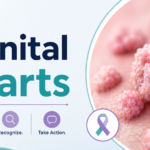
Genital warts are caused by low-risk HPV types, primarily HPV 6 and 11. They are not associated with cervical cancer and represent a separate clinical concern from high-risk HPV.
What genital warts look like and where they appear:
- Soft, flesh-colored or slightly darker growths, sometimes described as cauliflower-shaped.
- Can appear on the vulva, inside the vagina, on the cervix, around or inside the anus, and on the upper thighs.
- May be single or appear in clusters; can be flat or raised.
- Often painless, though some women notice itching or mild discomfort.
Treatment options:
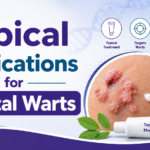
- Topical treatments (applied by a clinician or, for some formulations, by the patient at home).
- Physical removal (cryotherapy, laser, surgical excision).
- Warts can recur after treatment because the underlying virus may remain in the skin.
What genital warts do not mean:
- They do not indicate that you have or will develop cervical cancer.
- A woman can have genital warts and a completely normal Pap smear and HPV test (because the wart-causing types are different from the cancer-associated types).
- They do not affect fertility.
Can Women With HPV Still Get Pregnant
HPV does not typically affect a woman’s ability to get pregnant. Fertility is not impaired by HPV infection itself, and most women with HPV have normal pregnancies and healthy babies.
What the evidence shows:
- HPV infection does not damage the uterus, fallopian tubes, or ovaries.
- Studies have not established a consistent causal link between HPV and miscarriage, though research is ongoing.
- Treatment for cervical precancer (such as LEEP) can, in some cases, slightly increase the risk of preterm birth in future pregnancies. This is a conversation to have with your OB before and after any cervical procedure.
During pregnancy:
- Genital warts may grow larger or become more numerous due to hormonal and immune changes — this is common and not dangerous.
- High-risk HPV detected during pregnancy does not mean the baby will be harmed. Transmission of HPV to a baby during delivery is rare.
- In very rare cases, a baby exposed to HPV during birth can develop a condition called recurrent respiratory papillomatosis (RRP), caused by HPV 6 or 11. This is uncommon, and cesarean delivery is not routinely recommended solely to prevent it.
Decisions about cervical treatment during pregnancy (including whether and when to treat CIN) are made in consultation with your OB or maternal-fetal medicine specialist. Do not attempt to manage cervical changes during pregnancy without medical guidance.
Does HPV Go Away on Its Own in Women
For most women, yes. Research consistently shows that approximately 80 to 90% of HPV infections clear on their own within one to two years, according to data cited by the CDC and supported by multiple peer-reviewed studies (see References).
What “clearing” means:
- The immune system suppresses the virus to undetectable levels.
- Standard HPV tests can no longer detect it.
- This does not guarantee the virus is completely eliminated from the body — in some cases it may become latent — but it is no longer causing active cellular changes.
When HPV does not clear:
- Persistent infection with high-risk HPV types is the exception, not the rule.
- Persistence is more likely in women who are immunocompromised, who smoke, or who are older at the time of infection.
- Persistent high-risk HPV is what drives cervical precancer and, rarely, cancer — which is why follow-up after a positive result matters.
What you can do to support clearance:
- Quit smoking — smoking impairs the local immune response in cervical tissue.
- Manage other health conditions that affect immunity.
- Attend all follow-up screening appointments.
- There is no antiviral medication that treats HPV directly. The immune system does the work.
How Do I Know If I Should Get the HPV Vaccine
The HPV vaccine is recommended for girls and women in most countries, with the primary target group being adolescents before sexual debut. However, vaccination can still benefit women who have already been sexually active.
Current U.S. recommendations (verify with your provider for the most current guidance):
- Routine vaccination is recommended at ages 11 to 12.
- Catch-up vaccination is recommended for all people through age 26 who were not adequately vaccinated earlier.
- For women aged 27 to 45, vaccination is a shared clinical decision — it may offer benefit, particularly for women with limited prior exposure, but the population-level benefit is lower than in younger age groups. Discuss with your provider.
Choose vaccination if:
- You are under 26 and have not completed the HPV vaccine series.
- You are 27 to 45 and your provider determines you may benefit based on your history.
- You have had HPV in the past — the vaccine can still protect against strains you have not yet been exposed to.
What the vaccine does not do:
- It does not treat existing HPV infections or clear current infections.
- It does not replace the need for cervical screening.
- It does not protect against all HPV types — high-grade vaccines (Gardasil 9) cover nine strains, including the two most common high-risk types (16 and 18).
Cost and access: In the U.S., the HPV vaccine is covered by most insurance plans and by the Vaccines for Children (VFC) program for eligible children and adolescents. For uninsured adults, costs can range from approximately $200 to $300 per dose (a series requires two or three doses depending on age at first dose). Patient assistance programs through the manufacturer (Merck) are available. Costs vary significantly by country and healthcare system.
How Often Should Women Get Tested for HPV
Screening frequency depends on age, prior results, and national guidelines. In the U.S., the general framework recommended by ACOG, the American Cancer Society (ACS), and the U.S. Preventive Services Task Force (USPSTF) as of 2026 is:
| Age Group | Recommended Screening |
|---|---|
| Under 21 | No cervical screening recommended |
| 21 to 29 | Pap smear every 3 years (HPV test not routinely recommended alone) |
| 30 to 65 | Co-test (Pap + HPV) every 5 years, OR HPV test alone every 5 years, OR Pap alone every 3 years |
| Over 65 | May stop screening if adequate prior negative results — discuss with provider |
After an abnormal result: Screening intervals shorten. Women with positive HPV results, abnormal Pap results, or a history of CIN are typically followed more frequently — often every 6 to 12 months — until results normalize.
Always verify current guidance with your healthcare provider or check the most recent ACOG, ACS, or USPSTF recommendations, as guidelines are periodically updated.
How Much Does HPV Testing and Vaccination Cost
Costs for HPV-related care vary considerably based on insurance status, location, and the type of service.
HPV testing (cervical screening):
- With insurance: Often covered at no cost as preventive care under the Affordable Care Act (ACA) in the U.S.
- Without insurance: A Pap smear may cost $30 to $80 at a community health center; HPV DNA testing can add $30 to $100 or more at a commercial lab.
- Planned Parenthood and federally qualified health centers offer sliding-scale fees.
Colposcopy (if referred after abnormal result):
- With insurance: Typically covered; out-of-pocket costs depend on deductible and copay.
- Without insurance: Estimated $150 to $500 or more depending on facility.
HPV vaccination:
- Ages 11 to 26 in the U.S.: Covered by most insurance and by the VFC program for eligible youth.
- Ages 27 to 45: May require prior authorization; out-of-pocket cost per dose can be $200 to $300.
- Internationally: Costs and coverage vary widely; many national programs offer free vaccination for adolescents.
Practical tip: If cost is a barrier, contact your local health department, a federally qualified health center, or a Planned Parenthood clinic. Many offer low-cost or free cervical screening and vaccination.
Common Mistakes Women Make About HPV Prevention
Even well-informed women make avoidable errors in how they think about and manage HPV. These are the most consequential ones.
Mistake 1: Skipping screening because you feel fine.
HPV in women is almost always asymptomatic. Feeling healthy does not mean your cervical cells are normal. Routine screening is the only reliable way to catch high-risk changes early.
Mistake 2: Assuming a positive HPV result means cancer.
A positive HPV test is not a cancer diagnosis. It means the virus was detected and closer monitoring is needed. Most positive results resolve without treatment.
Mistake 3: Thinking condoms eliminate HPV risk entirely.
Condoms reduce transmission risk significantly but do not eliminate it, because HPV can be present on skin not covered by a condom. Vaccination and screening are the most effective protective measures.
Mistake 4: Stopping screening after the HPV vaccine.
The vaccine does not cover all HPV types and does not treat existing infections. Vaccinated women still need regular cervical screening.
Mistake 5: Believing HPV means a partner was unfaithful.
HPV can remain dormant for years before being detected. A new positive result does not indicate recent transmission or infidelity.
Mistake 6: Avoiding follow-up appointments out of fear.
Anxiety about what a follow-up might reveal is understandable, but delaying colposcopy or repeat testing is how precancerous changes go undetected. Early follow-up is protective, not punitive.
What Happens If HPV Isn’t Treated
For most women, “untreated” HPV clears on its own and causes no lasting harm. However, the concern is specifically about untreated high-risk HPV that persists and causes progressive cervical changes.
If high-risk HPV persists without monitoring:
- CIN 1 may progress to CIN 2 or CIN 3 over months to years.
- CIN 3 left untreated has a meaningful risk of progressing to invasive cervical cancer over a period of years to decades.
- By the time cervical cancer causes symptoms (abnormal bleeding, pelvic pain, discharge), it is often at a more advanced stage.
For genital warts:
- Untreated warts may grow larger, spread to adjacent skin, or multiply.
- They do not become cancerous, but they can cause discomfort and distress.
- Some warts resolve on their own; others persist without treatment.
The core message: HPV itself has no direct treatment, but the consequences of persistent high-risk HPV (cervical precancer) are highly treatable when caught through screening. The risk of not treating is not about the virus itself — it is about missing the window to address precancerous changes before they progress.
FAQ
How common is HPV in women?
HPV is the most common sexually transmitted infection in the United States. The CDC estimates that nearly all sexually active people will acquire HPV at some point. Most infections clear on their own within one to two years without causing health problems.
What are the symptoms of HPV in women?
Most women with HPV have no symptoms. Low-risk HPV types can cause genital warts. High-risk types cause no visible symptoms but may produce cellular changes on the cervix that are detectable only through a Pap smear or HPV test. You cannot determine whether you have HPV based on how you feel.
Does a positive Pap smear or HPV test mean I have cancer?
No. A positive HPV test or an abnormal Pap result is not a cancer diagnosis. It means that high-risk HPV was detected or that some cervical cells look atypical. Most abnormal results either resolve on their own or require monitoring and, in some cases, a minor outpatient procedure. Cervical cancer is a rare outcome that takes years to develop and is preventable through screening.
Does HPV affect pregnancy or fertility?
HPV does not impair fertility and does not typically harm a pregnancy or baby. Genital warts may grow during pregnancy due to hormonal changes but are not dangerous. Transmission of HPV to a baby during birth is rare. Decisions about managing cervical changes during pregnancy should be made with your OB.
Does HPV go away on its own in women?
Yes, in most cases. Approximately 80 to 90% of HPV infections clear within one to two years as the immune system suppresses the virus. Persistent infection — particularly with high-risk types — is the exception and is what requires follow-up. There is no antiviral medication to speed clearance; the immune system manages it.
Can I get the HPV vaccine if I’ve already had HPV?
Yes. If you’ve had one HPV type, you may not have been exposed to all the types the vaccine covers. Gardasil 9 protects against nine HPV types. Vaccination after prior exposure can still offer protection against strains you haven’t encountered. Discuss with your provider whether vaccination is appropriate for your age and history.
Can HPV come back after it clears?
HPV can potentially reactivate from a latent state, particularly if the immune system is weakened. A new positive result after a period of negative tests may reflect reactivation of a prior infection or a new exposure. This is why ongoing screening remains important even after a period of normal results.
Do I need to tell sexual partners if I have HPV?
There is no universal legal requirement to disclose HPV, unlike some other STIs. However, open communication with partners about sexual health is generally encouraged. Because HPV is so common and often has no symptoms, many partners may already have been exposed. A healthcare provider or sexual health counselor can help you think through disclosure conversations.
Conclusion
HPV in women is extraordinarily common, and for the vast majority, it causes no lasting harm. The immune system clears most infections quietly, without symptoms and without treatment. What makes HPV worth taking seriously is the small but real risk that persistent high-risk infection can, over many years, lead to cervical precancer — and that precancer, if undetected, can progress to cervical cancer.
That risk is exactly what cervical screening is designed to prevent.
Actionable next steps:
- If you are between 21 and 65 and not up to date on cervical screening, schedule a Pap smear or HPV test with your provider.
- If you received a positive HPV result or an abnormal Pap, attend every follow-up appointment. Most abnormal results do not become cancer — but monitoring is how you stay ahead of the ones that could.
- If you are under 26 and have not completed the HPV vaccine series, contact your provider or a local health clinic to start or finish the series.
- If you are 27 to 45, ask your provider whether the HPV vaccine makes sense for you based on your history.
- If you smoke, quitting is one of the most evidence-backed steps you can take to support your immune system’s ability to clear HPV.
- If cost is a barrier to screening or vaccination, contact a federally qualified health center, Planned Parenthood, or your local health department for low-cost options.
A positive HPV result is not a verdict. It is information — and information, acted on through screening and follow-up, is what keeps cervical cancer rare.
References
- Centers for Disease Control and Prevention (CDC). Human Papillomavirus (HPV). cdc.gov/hpv. (2023)
- World Health Organization (WHO). Human papillomavirus (HPV) and cervical cancer — Fact Sheet. who.int. (2023)
- American College of Obstetricians and Gynecologists (ACOG). Cervical Cancer Screening and Prevention — Practice Bulletin No. 168. acog.org. (2016, reaffirmed 2021)
- National Cancer Institute (NCI). Cervical Cancer Prevention (PDQ) — Health Professional Version. cancer.gov. (2024)
- NHS. Human papillomavirus (HPV). nhs.uk. (2023)
- Walboomers JM, et al. Human papillomavirus is a necessary cause of invasive cervical cancer worldwide. Journal of Pathology. 1999;189(1):12–19. PMID: 10451482. DOI: 10.1002/(SICI)1096-9896(199909)189:1<12::AID-PATH431>3.0.CO;2-F
- Moscicki AB, et al. Regression of low-grade squamous intra-epithelial lesions in young women. Lancet. 2004;364(9446):1678–1683. PMID: 15530628. DOI: 10.1016/S0140-6736(04)17354-6
- U.S. Preventive Services Task Force (USPSTF). Cervical Cancer: Screening — Recommendation Statement. uspreventiveservicestaskforce.org. (2018)
- Merck & Co. Gardasil 9 Prescribing Information. (2023)
Disclaimer: This content is for informational purposes only and is not a substitute for professional medical advice, diagnosis, or treatment. Always consult a qualified healthcare provider with any questions about your health.
Author: Dr. Laura Bennett, OB/GYN — Board-Certified Gynecologist, Women’s Integrative Health Center (Private Practice) | Sources: WHO, CDC, ACOG, NHS, NCI, peer-reviewed literature | Last updated: June 9, 2026
Schema note: Add MedicalWebPage schema with reviewedBy (Dr. Laura Bennett, MD) and lastReviewed (2026-06-09). Do not add FAQ schema; keep the visible FAQ without schema markup.