Last updated: June 8, 2026
Quick Answer
There is no approved drug that targets the HPV virus itself — but that does not mean nothing can be done. The symptoms HPV causes, especially genital warts and precancerous cell changes, are treated effectively with cryotherapy, laser, electrocautery, and prescription topical creams. In most cases the immune system clears the virus on its own within 1–2 years.
Table of Contents
Key Takeaways
- No antiviral drug exists that eliminates the HPV virus from the body, but the symptoms it causes are well-managed with proven clinical treatments.
- Roughly 90% of HPV infections clear on their own within about two years, according to the CDC.
- Genital warts are treated by a clinician using cryotherapy, electrocautery, laser, or prescription topicals such as imiquimod or podofilox — never self-treated with over-the-counter wart removers.
- Precancerous cervical changes (CIN) are treated with procedures like LEEP, cryotherapy, or cone biopsy — all performed in a clinical setting after colposcopy confirms the diagnosis.
- HPV treatment options differ by strain: low-risk strains cause warts; high-risk strains (especially HPV 16 and 18) are linked to cervical and other cancers.
- Men can and do receive HPV treatment, primarily for genital warts and, in some cases, anal precancerous changes.
- Vaccination (Gardasil 9) prevents the most dangerous HPV strains and is recommended up to age 26 routinely, and up to age 45 for some adults after a clinical discussion.
- Supporting your immune system through not smoking, maintaining a healthy weight, and managing stress is evidence-supported — but no supplement has been proven to clear HPV faster.
- Most HPV treatment costs are covered by insurance when medically indicated; uninsured costs vary widely by procedure and provider.
- If you have been diagnosed with HPV, the most important next step is staying current with cervical screening (for people with a cervix) and following your provider’s monitoring plan.
What Exactly Is HPV and How Do Treatments Work?
Human papillomavirus (HPV) is the most common sexually transmitted infection worldwide. The World Health Organization estimates that virtually all sexually active people will contract at least one HPV strain at some point in their lives (WHO, 2023). There are more than 200 known HPV strains, grouped broadly into low-risk types (which cause genital warts) and high-risk types (which can cause cervical, anal, oropharyngeal, vulvar, vaginal, and penile cancers).
How treatments work: Because no antiviral drug targets the virus directly, HPV treatment focuses on removing or destroying the abnormal cells or growths the virus produces. The immune system does the real work of clearing the virus itself. Clinical treatments accelerate the removal of visible or precancerous tissue, reducing the risk of complications while the body’s defenses catch up.
The two main treatment targets are:
- Genital warts (caused by low-risk strains, mainly HPV 6 and 11): removed or destroyed by a clinician or treated with prescription topicals.
- Precancerous lesions (caused by high-risk strains, mainly HPV 16 and 18): removed through procedures like LEEP or cone biopsy to prevent progression to cancer.
Understanding which strain you have — and whether it has caused any cellular changes — determines which treatment path applies to you.
Is There a Treatment for HPV? What You Can Actually Do
No approved antiviral drug eliminates the HPV virus itself. However, this does not mean a diagnosis leaves you without options. The distinction matters: the virus cannot be pharmacologically targeted, but every symptom and complication it causes has an established treatment pathway.
When treatment is actually needed:
- You have visible genital warts that are causing discomfort, spreading, or affecting your quality of life.
- A Pap smear or colposcopy has identified precancerous cervical changes (CIN 2 or CIN 3) that require intervention.
- You have been diagnosed with an HPV-related cancer — at which point oncology-level treatment (surgery, radiation, chemotherapy) takes over.
- You are immunocompromised and your body is less likely to clear the infection on its own.
When treatment is not immediately needed:
- You have a low-grade abnormal Pap result (CIN 1) and are otherwise healthy — most providers recommend watchful waiting with repeat screening.
- You have tested HPV-positive with no visible warts and no abnormal cell changes — the standard approach is monitoring, not intervention.
“Testing positive for HPV is not a medical emergency. For most healthy adults, the immune system resolves the infection without any treatment at all.” — consistent with CDC guidance (CDC, 2024).
Does HPV Go Away on Its Own?
Yes, in most cases it does. The CDC reports that approximately 90% of HPV infections clear on their own within about two years (CDC, 2024). The immune system recognizes and eliminates the virus without any medical intervention.
When clearance is less likely:
- People who are immunocompromised (living with HIV, taking immunosuppressant medications, or undergoing chemotherapy) have a reduced ability to clear HPV and are at higher risk of persistent infection and progression.
- Persistent infection with a high-risk strain — particularly HPV 16 or 18 — over many years is the primary driver of cervical cancer, which is why regular screening remains essential even after a positive HPV test.
- Smoking is associated with reduced immune clearance of HPV and a higher risk of cervical abnormalities persisting (International Agency for Research on Cancer, 2012).
What “cleared” means: When HPV is said to have cleared, it means the virus has dropped below detectable levels. It does not always mean the virus is completely eliminated from every cell — in rare cases, it can reactivate later, particularly if the immune system is suppressed. For practical purposes, an undetectable HPV test result is considered clearance.
Can HPV Be Completely Cured or Just Managed?
This is one of the most common questions after a diagnosis, and the honest answer is nuanced. The HPV virus itself has no approved cure — no drug eliminates it from the body the way antibiotics clear a bacterial infection. What happens instead is clearance: the immune system suppresses the virus to undetectable levels.
“Cured” vs. “cleared”:
| Term | What It Means |
|---|---|
| Cleared | Virus is undetectable on standard tests; immune system has controlled it |
| Cured | Complete elimination of the virus from every cell — not confirmed by current science |
| Treated | The symptoms (warts, precancerous lesions) have been removed or resolved |
For most people, “cleared” is the realistic and achievable outcome. The symptoms HPV causes — warts and precancerous changes — are fully treatable and, when caught early, rarely lead to serious complications.
Common mistake: Assuming that because warts have been removed, the virus is gone. Wart removal treats the visible symptom; the virus may still be present in surrounding tissue and can cause recurrence. This is why follow-up with a provider matters.
What Are the Best HPV Treatment Options for Different Strains?
The best HPV treatment depends entirely on which strain you have and what symptoms, if any, it has produced. Low-risk and high-risk strains require different approaches.
Low-Risk Strains (HPV 6 and 11): Genital Wart Treatments
Clinician-applied treatments:
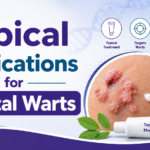
- Cryotherapy: Freezing warts with liquid nitrogen. Effective, widely available, may require multiple sessions.
- Trichloroacetic acid (TCA): A chemical applied directly to warts by a provider. Suitable for small warts on moist surfaces.
- Electrocautery: Burning warts with an electrical current. Used for larger or more resistant warts.
- Laser therapy: Carbon dioxide laser vaporizes wart tissue. Typically reserved for extensive or treatment-resistant cases.
- Surgical excision: Physical removal under local anesthesia. Used when warts are large or unresponsive to other methods.
Prescription patient-applied treatments (applied at home under medical supervision):
- Imiquimod (Aldara, Zyclara): An immune response modifier applied to warts 3–5 times per week. Stimulates the local immune response to attack wart tissue. Not for use on internal surfaces.
- Podofilox (Condylox): A topical antimitotic applied twice daily for three days per week. Destroys wart tissue directly.
- Sinecatechins (Veregen): A green tea extract ointment with FDA approval for external genital warts. Applied three times daily.
Important: Never use over-the-counter wart removers (such as salicylic acid products) on genital warts. These are formulated for common skin warts and are not appropriate — or safe — for genital tissue. Always use prescription products exactly as directed by your provider.
High-Risk Strains (HPV 16, 18, and Others): Precancerous Lesion Treatments
When high-risk HPV causes cervical cell changes, treatment depends on the grade of the abnormality:
- CIN 1 (mild dysplasia): Usually monitored with repeat Pap and HPV testing every 6–12 months. Most CIN 1 resolves on its own.
- CIN 2 or CIN 3 (moderate to severe dysplasia): Active treatment is recommended.
Procedures for precancerous cervical changes:
- LEEP (Loop Electrosurgical Excision Procedure): A thin wire loop with an electrical current removes abnormal tissue. The most common treatment for CIN 2/3. Done in-office under local anesthesia.
- Cryotherapy: Freezing abnormal cervical cells. Less commonly used for higher-grade lesions.
- Cone biopsy (cold knife conization): Surgical removal of a cone-shaped section of the cervix. Used for larger or more complex lesions, or when LEEP margins are unclear.
- Laser ablation: Laser destroys abnormal cervical tissue. Used in some clinical settings.
These procedures are performed after colposcopy confirms the diagnosis. Precancerous changes are not cancer — treating them is how cervical cancer is prevented.
How Do You Know If You Need HPV Treatment?
Most people with HPV do not need immediate treatment. Whether you need treatment depends on what the virus has done, not simply on the fact that you tested positive.
You likely need treatment if:
- You have visible genital warts that are growing, multiplying, or causing symptoms.
- A Pap smear has returned an abnormal result (ASC-H, HSIL, or AGC) and colposcopy has confirmed CIN 2 or CIN 3.
- You have been diagnosed with an HPV-related cancer.
You likely need monitoring, not immediate treatment, if:
- You tested HPV-positive but have a normal Pap smear — standard guidelines recommend co-testing in 1–3 years depending on your age and history (ACOG, 2023).
- Your Pap result shows low-grade changes (LSIL or ASC-US) and you are under 25 — guidelines generally recommend surveillance rather than immediate intervention in younger patients.
Decision rule: If you are 30 or older, HPV-positive, and have any abnormal Pap result, see a gynecologist or colposcopist promptly. If you are under 25 with a low-grade result, your provider will likely recommend a repeat test in 12 months before deciding on next steps.
What Treatments Work Best for Genital Warts from HPV?
No single treatment for genital warts is definitively superior to all others — the best choice depends on wart size, location, number, and patient preference. Recurrence is common regardless of which method is used, because the virus remains in surrounding tissue after the wart is removed.
Recurrence rates: Studies suggest that genital warts recur in 20–30% of cases within three months of treatment (Yanofsky et al., PMID: 22092366). This is not a treatment failure — it reflects the biology of the virus. Repeat treatment is normal.
Choosing a treatment approach:
- Small, few warts: Cryotherapy or TCA are first-line, quick, and well-tolerated.
- Multiple or widespread warts: Imiquimod or podofilox allow home application over several weeks, which can be more practical.
- Warts in hard-to-reach areas or on mucous membranes: Clinician-applied treatments are safer and more precise.
- Large or treatment-resistant warts: Laser or surgical excision may be necessary.
What not to do: Do not apply salicylic acid, duct tape, or any home remedy to genital warts. Do not attempt to cut or scrape warts at home. These approaches can cause injury, infection, and scarring without effectively treating the underlying condition.
Can Men Get HPV Treatments Too?
Yes. HPV affects men just as commonly as women, and men have access to the same range of treatments for the symptoms HPV causes. The difference is that routine HPV screening is not currently recommended for most men — there is no approved HPV test for penile or scrotal tissue in the way that Pap smears screen the cervix.
HPV treatment options available to men:
- Genital warts on the penis, scrotum, or perianal area are treated with the same clinician-applied and prescription topical options described above.
- Men who have sex with men (MSM) and people living with HIV are at higher risk for anal HPV-related changes and may benefit from anal Pap smears and high-resolution anoscopy (HRA) to detect anal precancerous changes (AIN 2/3), which are then treated with ablation or excision.
- HPV vaccination (Gardasil 9) is recommended for males through age 26 routinely, and up to age 45 after a shared clinical discussion (CDC, 2024).
Men with visible genital warts should see a urologist, dermatologist, or sexual health clinic for evaluation and treatment. Self-diagnosis is unreliable — other conditions can resemble warts.
What Happens If HPV Goes Untreated?
For most people, untreated HPV simply clears on its own without any consequences. However, leaving certain HPV-related conditions unmonitored or untreated carries real risks.
Potential consequences of untreated HPV-related conditions:
- Untreated genital warts can grow larger, multiply, and spread to partners. They rarely become cancerous (low-risk strains do not cause cancer), but they can cause significant discomfort and psychological distress.
- Untreated high-grade precancerous lesions (CIN 2/3) have a meaningful risk of progressing to invasive cervical cancer if left unaddressed. Studies estimate that without treatment, approximately 30–50% of CIN 3 lesions may progress to invasive cancer over 10–30 years (McCredie et al., PMID: 18948917).
- Untreated HPV in immunocompromised individuals is more likely to persist and progress, making monitoring and timely treatment especially important in this group.
- Untreated HPV-related cancers — if a cancer has already developed and is not treated, outcomes worsen significantly with delay.
The key takeaway: a positive HPV test without symptoms does not require urgent treatment, but it does require follow-up. Skipping routine Pap smears and HPV co-tests is the behavior that allows preventable cancers to develop.
Are There Natural Ways to Help Clear HPV Faster?
There is no supplement, herb, or dietary product proven in clinical trials to clear HPV faster. However, certain lifestyle factors are supported by evidence as relevant to immune function and HPV clearance.
Evidence-supported approaches:
- Not smoking: Smoking is associated with impaired cervical immune function and slower HPV clearance. Quitting smoking is one of the most evidence-backed steps you can take (IARC, 2012).
- Maintaining a healthy immune system: Managing conditions like HIV, avoiding unnecessary immunosuppression, and following treatment for autoimmune conditions all support the immune response that clears HPV.
- Adequate sleep and stress management: Chronic stress and poor sleep impair immune function broadly. While no study has directly linked sleep to HPV clearance specifically, the immune pathway is well-established.
- Folic acid and nutritional adequacy: Some observational data suggest that nutritional deficiencies (particularly folate) may be associated with cervical abnormalities, but supplementation has not been proven to clear HPV or reverse lesions.
What the evidence does not support:
- No specific supplement (including AHCC, green tea extract taken orally, or medicinal mushrooms) has been proven in large, well-designed clinical trials to clear HPV.
- Claims that specific diets, detoxes, or herbal protocols eliminate HPV are not supported by current evidence.
The honest answer: support your immune system with the basics — don’t smoke, sleep well, manage stress, eat a balanced diet — and let your body do what it does in roughly 90% of cases.
How Long Does a Typical HPV Treatment Take?
Treatment duration depends entirely on what is being treated.
| Condition | Treatment | Typical Duration |
|---|---|---|
| Genital warts (small, few) | Cryotherapy | 1–4 sessions, 1–3 weeks apart |
| Genital warts (multiple) | Imiquimod at home | 12–16 weeks of application |
| Genital warts (large/resistant) | Laser or excision | Single procedure + healing (2–4 weeks) |
| CIN 2/3 | LEEP | Single in-office procedure; follow-up at 6 months |
| CIN 2/3 | Cone biopsy | Single surgical procedure; recovery 1–2 weeks |
| Monitoring (HPV+, no lesions) | Repeat co-testing | Ongoing; typically every 1–3 years |
After treatment: Follow-up testing is essential. After LEEP or cone biopsy, a test-of-cure (Pap plus HPV co-test) is typically done at 6 months and again at 12 months. After wart treatment, patients are advised to return if warts recur — which is common within the first three months.
How Much Does HPV Treatment Cost Without Insurance?
HPV treatment costs without insurance vary widely depending on the procedure, provider, and location. These figures are estimates for the United States in 2026 and should be confirmed with individual providers.
| Treatment | Estimated Out-of-Pocket Cost (US, 2026) |
|---|---|
| Cryotherapy (per session) | $150–$400 |
| TCA application (per visit) | $100–$300 |
| Imiquimod prescription (4-week supply) | $200–$600 (generic available; varies) |
| Podofilox prescription | $50–$200 (generic) |
| LEEP procedure | $1,000–$3,500 |
| Cone biopsy | $2,000–$6,000+ |
| Colposcopy (required before LEEP) | $300–$1,000 |
| Laser wart treatment | $300–$1,000+ per session |
Ways to reduce costs without insurance:
- Planned Parenthood and federally qualified health centers (FQHCs) offer sliding-scale fees based on income.
- Medicaid covers HPV-related screening and treatment for eligible individuals.
- Generic versions of imiquimod and podofilox are available and substantially cheaper than brand-name products.
- The NCI’s Cancer Information Service can direct patients to low-cost screening programs.
Are HPV Treatments Covered by Health Insurance?
In most cases, yes. HPV-related treatments are generally covered by health insurance in the United States when they are medically indicated.
What is typically covered:
- Cervical cancer screening (Pap smear and HPV co-testing) is covered without cost-sharing under the Affordable Care Act for people with qualifying plans.
- Colposcopy and biopsy following an abnormal result are typically covered as diagnostic procedures.
- LEEP and cone biopsy for confirmed CIN 2/3 are covered as medically necessary procedures.
- Genital wart treatment by a clinician is generally covered, though copays and deductibles apply.
- Gardasil 9 vaccination is covered without cost-sharing for people through age 26 under ACA-compliant plans; coverage for ages 27–45 varies by plan.
What may not be covered:
- Cosmetic wart removal (if a provider codes it as cosmetic rather than medical) may be denied.
- Some insurers require prior authorization for laser procedures.
Always verify coverage with your insurer before scheduling a procedure. Ask your provider’s billing office to confirm the diagnosis and procedure codes being submitted.
What Are the Side Effects of Common HPV Treatments?
All HPV treatments carry some side effects, most of which are mild and temporary. Knowing what to expect helps you manage recovery and recognize when something needs medical attention.
Cryotherapy: Local pain, redness, and blistering at the treatment site. Healing typically takes 1–2 weeks. Rarely, scarring or changes in skin pigmentation.
TCA (trichloroacetic acid): Burning sensation during application. Temporary skin irritation. Applied only by a provider, minimizing risk of overexposure.
Imiquimod: Local skin reactions including redness, swelling, erosion, and itching at the application site. Flu-like symptoms (fatigue, fever, muscle aches) occur in some users. Reactions typically resolve after stopping or reducing application frequency.
Podofilox: Local irritation, burning, and erosion. Systemic absorption is low when used as directed; do not apply to open wounds or large areas.
LEEP: Mild cramping during the procedure. Watery or bloody discharge for 1–3 weeks afterward. Small risk of cervical stenosis (narrowing) or effects on future pregnancies, particularly with repeat procedures — discuss this with your provider if you plan to become pregnant.
Cone biopsy: Similar recovery to LEEP but with a longer healing period. Higher risk of cervical changes affecting future pregnancies compared to LEEP.
When to call your provider after treatment: Heavy bleeding, signs of infection (fever, foul-smelling discharge, increasing pain), or symptoms that worsen rather than improve after 2 weeks.
Which Age Groups Should Get HPV Treatment and Vaccination?
HPV treatment is appropriate at any age when the virus has caused symptoms or precancerous changes that require intervention. Vaccination, however, has an age window where it is most effective.
Vaccination by age group (Gardasil 9, as of 2026 CDC guidelines):
- Ages 9–12: Recommended as a two-dose series (given 6–12 months apart). Best immune response occurs when vaccination precedes sexual activity.
- Ages 13–26: Catch-up vaccination recommended for those not previously vaccinated. Three-dose series if starting at 15 or older.
- Ages 27–45: Vaccination is not routinely recommended but may be offered after a shared clinical decision-making discussion. Benefit decreases with age because most people have already been exposed to HPV strains covered by the vaccine.
- Over 45: Vaccination is not recommended by the CDC.
Treatment by age:
- Genital wart treatment and precancerous lesion treatment are appropriate for any adult regardless of age.
- Cervical screening guidelines (per ACOG 2021, updated 2023) recommend starting Pap smears at age 21, with HPV co-testing beginning at age 25 or 30 depending on the protocol used.
- Older adults who have never been screened are at particular risk and should discuss catch-up screening with their provider.
Can You Support Your Immune System to Clear HPV?
Supporting immune function is a reasonable and evidence-grounded approach, though it should be framed correctly: you are helping your body do what it is already likely to do, not guaranteeing a faster outcome.
Evidence-supported steps:
- Stop smoking. This is the single most evidence-backed modifiable behavior linked to HPV persistence and cervical abnormality risk.
- Manage HIV and other immunosuppressive conditions. People living with HIV who are on effective antiretroviral therapy have better HPV clearance than those who are not (CDC, 2024).
- Maintain a healthy weight and exercise regularly. Obesity is associated with chronic low-grade inflammation that can impair immune responses.
- Eat a nutrient-dense diet. Adequate intake of folate, vitamins C, D, and E, and zinc supports immune function. No specific “HPV diet” has been validated, but general nutritional adequacy matters.
- Limit alcohol. Heavy alcohol use impairs immune function broadly.
What to avoid claiming: No supplement has been proven in a large, well-controlled randomized trial to clear HPV. AHCC (active hexose correlated compound) has been studied in small trials with promising early results, but the evidence is not yet sufficient to recommend it as a standard treatment. Discuss any supplement use with your provider before starting.
What to Ask Your Doctor About HPV Treatment
If you have recently been diagnosed with HPV or received an abnormal Pap result, these questions will help you get the most useful information from your appointment:
- Which HPV strain do I have, and is it a high-risk or low-risk type?
- Do I have any cell changes that need treatment now, or is monitoring appropriate?
- How often do I need follow-up testing, and what are we watching for?
- If I need a procedure, what are the risks and how will it affect future pregnancies?
- What can I do to support my immune system while waiting for the virus to clear?
- Should my partner(s) be tested or vaccinated?
- Am I eligible for the HPV vaccine, and would it benefit me at my age?
- What symptoms should prompt me to call you before my next scheduled appointment?
Bringing a written list of questions to your appointment ensures you leave with a clear plan rather than unanswered concerns.
FAQ
Is there a treatment for HPV?
There is no antiviral drug that targets the HPV virus itself. However, the symptoms HPV causes — genital warts and precancerous cell changes — are treated effectively with clinician-applied procedures (cryotherapy, LEEP, laser) and prescription topicals (imiquimod, podofilox). Most HPV infections clear on their own without any treatment.
Does HPV go away on its own?
Yes, in approximately 90% of cases, the immune system clears HPV within about two years without any medical intervention (CDC, 2024). Clearance is less likely in people who are immunocompromised or who smoke. Even after clearance, regular screening remains important for people with a cervix.
Can HPV be cured?
The HPV virus has no approved cure in the sense of a drug that eliminates it. What happens in most cases is immune clearance — the virus drops to undetectable levels. The symptoms HPV causes (warts, precancerous lesions) are fully treatable. “Cleared” is the accurate term for what happens to the virus; “treated” applies to its symptoms.
How are genital warts treated?
Genital warts are treated by a healthcare provider using cryotherapy, trichloroacetic acid, electrocautery, laser, or surgical excision. Prescription home treatments include imiquimod, podofilox, and sinecatechins. Recurrence after treatment is common (20–30% within three months) because the virus remains in surrounding tissue. Never use over-the-counter wart removers on genital skin.
Can you clear HPV faster?
No supplement or product has been proven to accelerate HPV clearance in well-controlled clinical trials. The most evidence-supported action is to stop smoking, which is associated with better cervical immune function. Maintaining general good health — adequate sleep, balanced nutrition, managing chronic conditions — supports the immune response that clears the virus naturally.
Do men need HPV treatment?
Men can receive HPV treatment for genital warts and, in high-risk groups (men who have sex with men, people living with HIV), for anal precancerous changes. Routine HPV screening is not currently recommended for most men, but vaccination through age 26 is. Men with visible genital warts should see a provider rather than attempting self-treatment.
How long does it take to treat genital warts?
Small warts treated with cryotherapy may resolve in 1–4 sessions over several weeks. Home treatments like imiquimod are applied over 12–16 weeks. Larger warts treated with laser or excision require a single procedure followed by 2–4 weeks of healing. Recurrence is common, so follow-up with your provider is important.
What happens if I ignore an abnormal Pap result?
Ignoring an abnormal Pap result, particularly one indicating high-grade changes (CIN 2 or CIN 3), carries a real risk of progression to cervical cancer over time. Studies suggest that untreated CIN 3 progresses to invasive cancer in approximately 30–50% of cases over 10–30 years (McCredie et al., PMID: 18948917). Early treatment of precancerous changes is highly effective at preventing cancer.
Is HPV treatment covered by insurance?
Most HPV-related treatments are covered by health insurance when medically indicated. Cervical screening is covered without cost-sharing under the ACA for qualifying plans. LEEP, cone biopsy, and clinician-applied wart treatments are generally covered as medically necessary. Coverage for vaccination ages 27–45 varies by plan. Always verify with your insurer before scheduling.
Should I tell my partner if I have HPV?
Yes. Disclosing an HPV diagnosis to current and recent partners allows them to make informed decisions about their own screening and vaccination. HPV is extremely common and most people will not know they have it without testing. A positive result does not mean infidelity — HPV can remain dormant for years before being detected.
References
- World Health Organization (WHO). Human papillomavirus (HPV) and cervical cancer. 2023. https://www.who.int/news-room/fact-sheets/detail/human-papillomavirus-(hpv)-and-cervical-cancer
- Centers for Disease Control and Prevention (CDC). Genital HPV Infection — Basic Fact Sheet. 2024. https://www.cdc.gov/std/hpv/stdfact-hpv.htm
- American College of Obstetricians and Gynecologists (ACOG). Updated Cervical Cancer Screening Guidelines. 2021 (reaffirmed 2023). https://www.acog.org/clinical/clinical-guidance/practice-advisory/articles/2021/04/updated-cervical-cancer-screening-guidelines
- National Cancer Institute (NCI). Cervical Cancer Treatment (PDQ). 2024. https://www.cancer.gov/types/cervical/patient/cervical-treatment-pdq
- NHS. Human papillomavirus (HPV). 2023. https://www.nhs.uk/conditions/human-papillomavirus-hpv/
- International Agency for Research on Cancer (IARC). Biological Agents. IARC Monographs on the Evaluation of Carcinogenic Risks to Humans, Volume 100B. 2012. https://monographs.iarc.fr/iarc-monographs-volume-100b/
- McCredie MR, Sharples KJ, Paul C, et al. Natural history of cervical neoplasia and risk of invasive cancer in women with cervical intraepithelial neoplasia 3: a retrospective cohort study. Lancet Oncol. 2008;9(5):425–434. PMID: 18948917. https://pubmed.ncbi.nlm.nih.gov/18948917/
- Yanofsky VR, Patel RV, Goldenberg G. Genital warts: a comprehensive review. J Clin Aesthet Dermatol. 2012;5(6):25–36. PMID: 22092366. https://pubmed.ncbi.nlm.nih.gov/22092366/
Conclusion
A positive HPV test is not a crisis — but it is a signal to take your health seriously and stay engaged with your care. The most important things to understand are these: the virus itself has no approved drug treatment, but the immune system clears it in the vast majority of cases. The symptoms it causes — genital warts and precancerous cell changes — are well-managed with proven clinical procedures. And the cancers HPV can eventually cause are almost entirely preventable when screening and treatment happen on schedule.
Your actionable next steps:
- If you have visible genital warts, book an appointment with a sexual health clinic, dermatologist, or OB/GYN. Do not self-treat.
- If you have received an abnormal Pap result, follow through with the colposcopy referral. Early intervention for precancerous changes is highly effective.
- If you have tested HPV-positive with no symptoms, confirm your follow-up testing schedule with your provider and keep those appointments.
- If you have not been vaccinated and are 45 or younger, ask your provider whether Gardasil 9 is appropriate for you.
- Stop smoking if you smoke — it is the most evidence-backed lifestyle change you can make to support HPV clearance.
- Talk to your partner(s). HPV is common, manageable, and not a reflection of your character or theirs.
The path forward after an HPV diagnosis is clear, well-supported by evidence, and manageable. Stay current with screening, follow your provider’s guidance, and trust the process.
Disclaimer: This content is for informational purposes only and is not a substitute for professional medical advice, diagnosis, or treatment. Always consult a qualified healthcare provider with any questions about your health.
Author: Dr. Laura Bennett, OB/GYN — Board-Certified Gynecologist, Women’s Integrative Health Center (Private Practice) | Sources: WHO, CDC, ACOG, NHS, NCI, peer-reviewed literature | Last updated: June 8, 2026